
Biophilic Kitchens: The Dominant Trend in 2026 Home Remodels
Each January brings resolutions to maintain a pristine kitchen, cultivate fresh herbs on the windowsill, and perfect artisan bread. By February, the herbs wither, the bread starter resembles an experiment gone awry, and simple toast suffices as a meal. The concept of a biophilic kitchen renews that optimism. This approach focuses on vitality, tranquility, and a natural connection, even amid overflowing dishwashers and pets lounging in unexpected spots.
Defining the Biophilic Kitchen
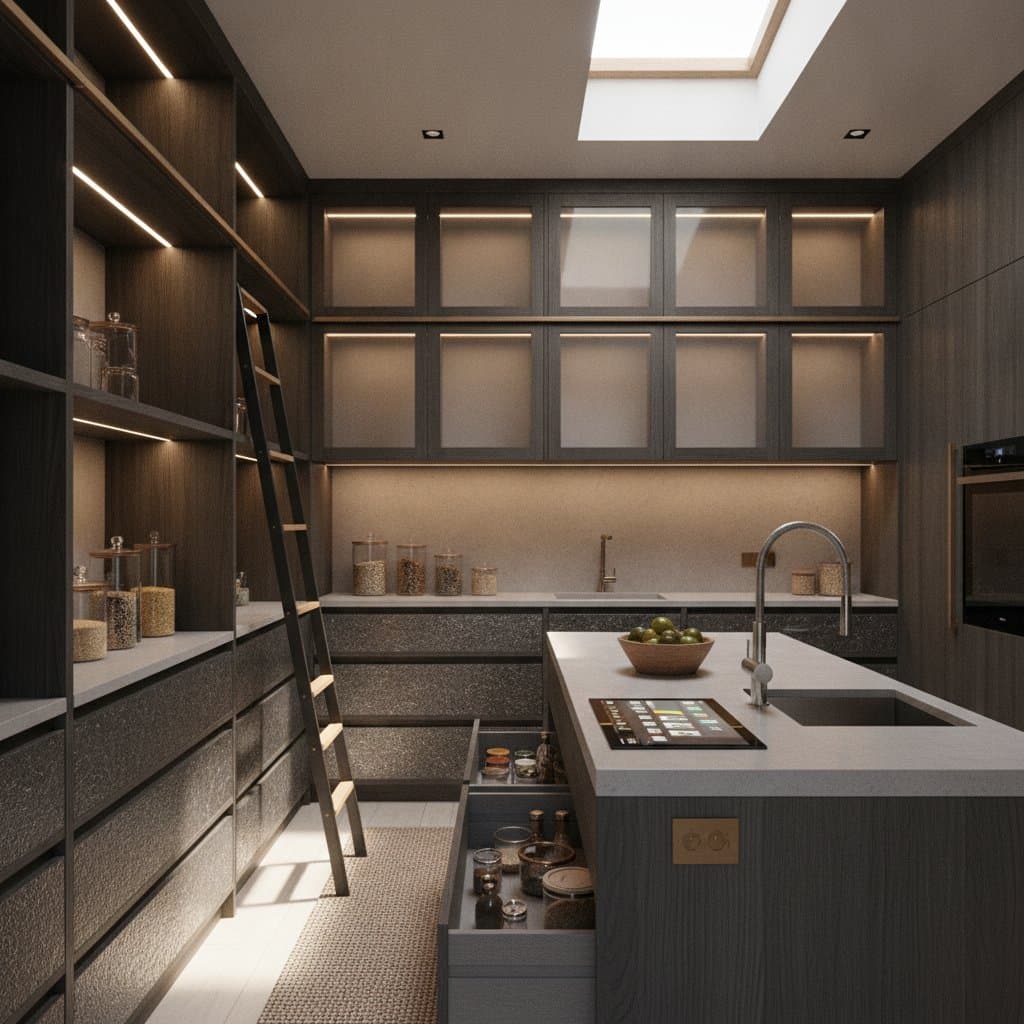
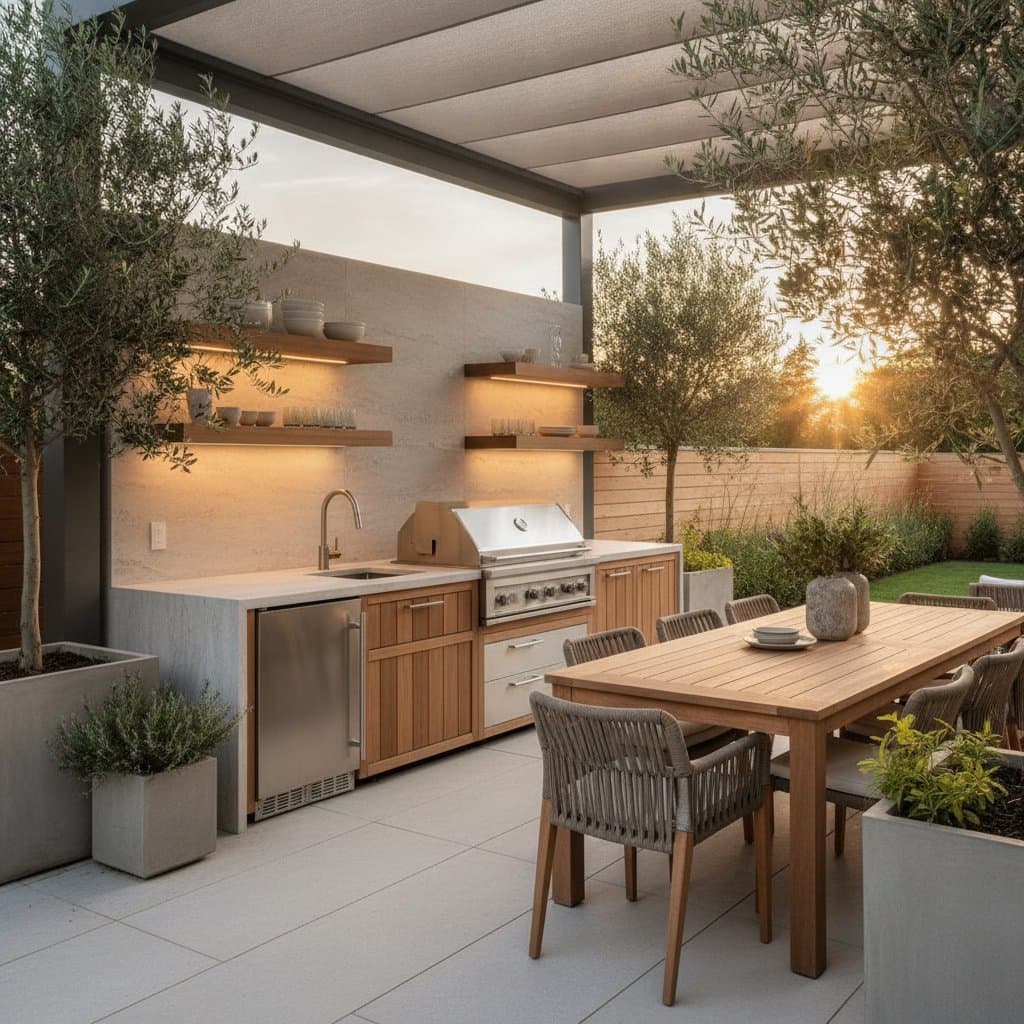
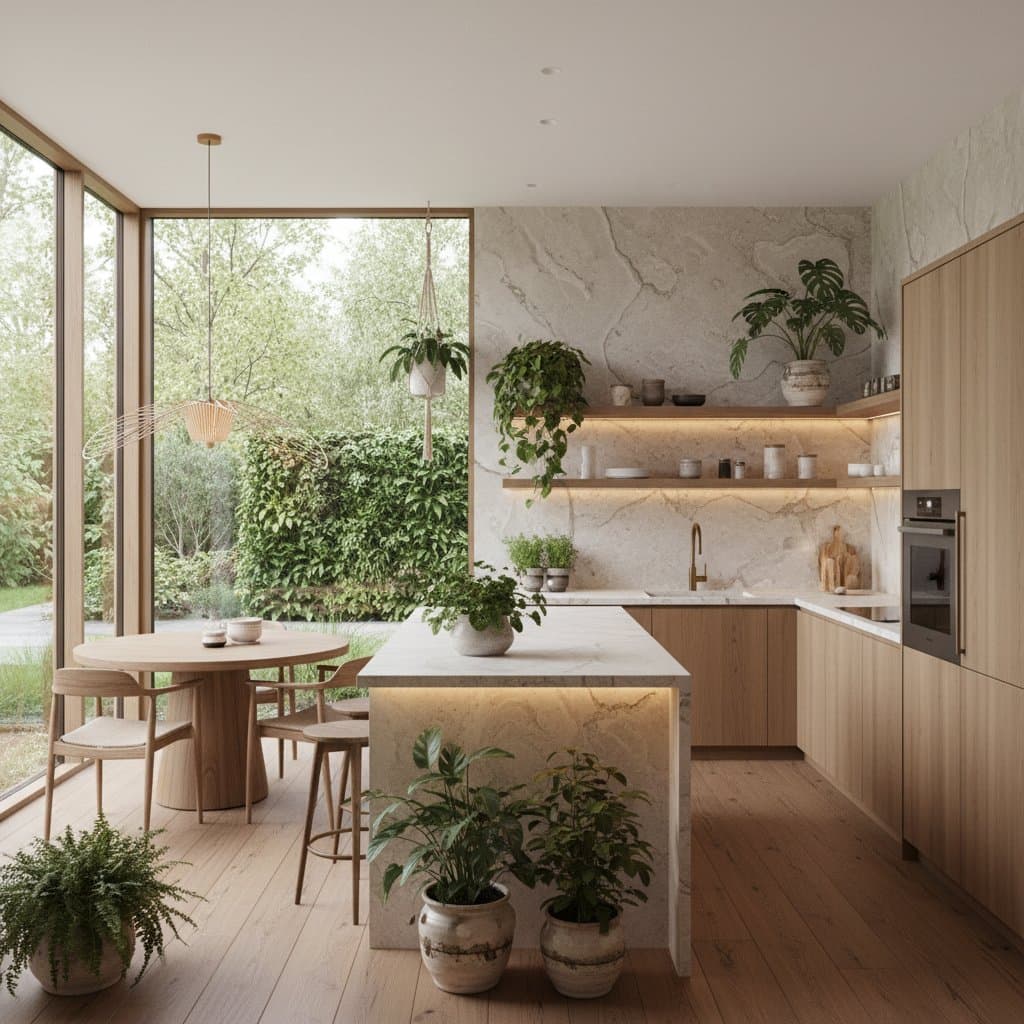
A biophilic kitchen incorporates natural elements into indoor spaces to evoke the outdoors. Consider expansive windows allowing sunlight to flood the area, shelves adorned with verdant plants, and surfaces featuring stone or wood for tactile appeal. The design fosters harmony that eases tension upon entry. While plants enhance the ambiance, the essence lies in crafting a rooted, rejuvenating environment.
This movement gains traction as individuals recognize the kitchen as more than a functional zone. It serves as the home's emotional center, where morning coffee brews, family discussions resolve, and celebrations unfold. Biophilic principles strengthen these bonds by softening rigid lines and countering practical concerns like stains and clutter with inviting, organic touches.
Bridging Ideal Visions and Practical Implementation
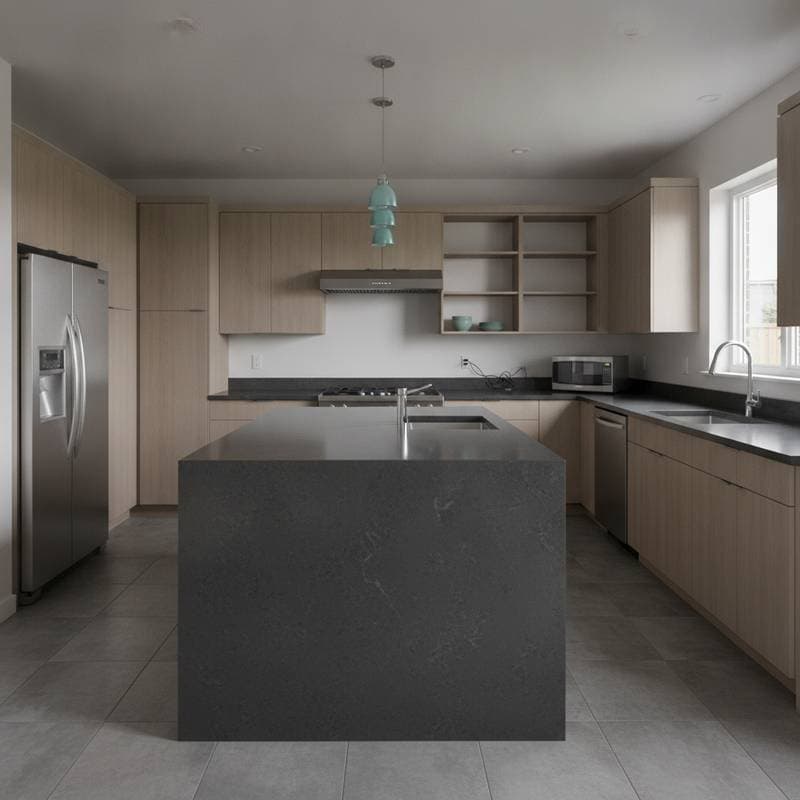
The idealized biophilic kitchen boasts full-height windows framing a blooming garden, a sturdy reclaimed oak island, and gentle air currents through lightweight drapes. In everyday settings, such as suburban homes, a single window might overlook a modest yard, supplemented by artificial vines and a reliable oven. The adaptability of biophilic design shines here. Homeowners achieve noticeable shifts without major renovations.
Start with targeted modifications for impact. Swap glossy laminates for matte finishes resembling quartz or walnut. Opt for open shelving to maximize light flow over enclosed cabinets. Introduce utilitarian plants like rosemary or mint, selected for resilience against irregular care.
Selecting Materials for Authenticity and Warmth
Materials form the foundation of a biophilic kitchen's character. Opt for granite or marble countertops, terracotta flooring, and solid wood cabinetry to infuse genuine warmth. Budget constraints allow alternatives like quartz composites mimicking natural stone or bamboo accents on utensils and boards. These choices provide a sensory connection, as fingertips trace textures that convey life over artificial sheen.
Incorporate color palettes inspired by nature for deeper immersion. Apply sage green or earthy ochre on walls to recall woodland serenity or sun-baked earth. Select fixtures emitting soft, amber-toned illumination to replicate dusk's glow. Such details accumulate, creating equilibrium amid multitasking, like simmering sauces while locating utensils.
Integrating Plants and Optimizing Light
Plants offer a direct link to nature without overwhelming the space. Position a compact fiddle-leaf fig or cascading ivy to temper angular edges. Vary foliage heights and leaf shapes for visual interest, prioritizing low-maintenance options such as snake plants or ZZ plants that tolerate infrequent watering. The aim balances vitality with usability, avoiding an untamed overgrowth.
Light serves as a vital component. Maximize natural sources by clearing window obstructions or installing mirrors to distribute daylight evenly. For supplemental options, choose LED bulbs with customizable warm settings that adapt from crisp morning rays to cozy evening hues. This dynamic interplay renders the kitchen vibrant and attuned to daily rhythms.
Embracing Nature in Everyday Routines
Biophilic kitchens elevate routine activities through subtle environmental cues. Observe sunlight patterns on work surfaces or how a wooden tray of citrus fruits enlivens the counter. Preparing meals evolves from chore to harmonious flow, enhancing presence in the moment.
Modern conveniences integrate seamlessly. Pair sleek stainless-steel ranges with woven baskets or linen aprons for textural contrast. This juxtaposition maintains efficiency while honoring organic themes, guided by intentional balance rather than rigid prescriptions.
Steps to Incorporate Biophilic Elements
Transitioning to a biophilic kitchen begins with assessment. Evaluate current light levels and material textures to identify quick wins. Introduce one element at a time: install sheer blinds for diffused sunlight, add a live-edge wood shelf, or place a hardy succulent near the sink.
Track the effects on daily interactions. Note shifts in energy during meal prep or gatherings. These incremental changes build a sanctuary that supports well-being, proving biophilic design as a enduring choice over fleeting styles.
Realizing Lasting Benefits in Your Home
Biophilic kitchens signal a broader pivot toward mindful, sensory-rich living. After periods of stark, impersonal aesthetics, this trend fulfills desires for comfort and linkage to the natural world. Remodels adopting these principles yield spaces that soothe and inspire, making the kitchen a true haven for nourishment and connection.