The Pantry Walls Trend Redefining 2026 Kitchens
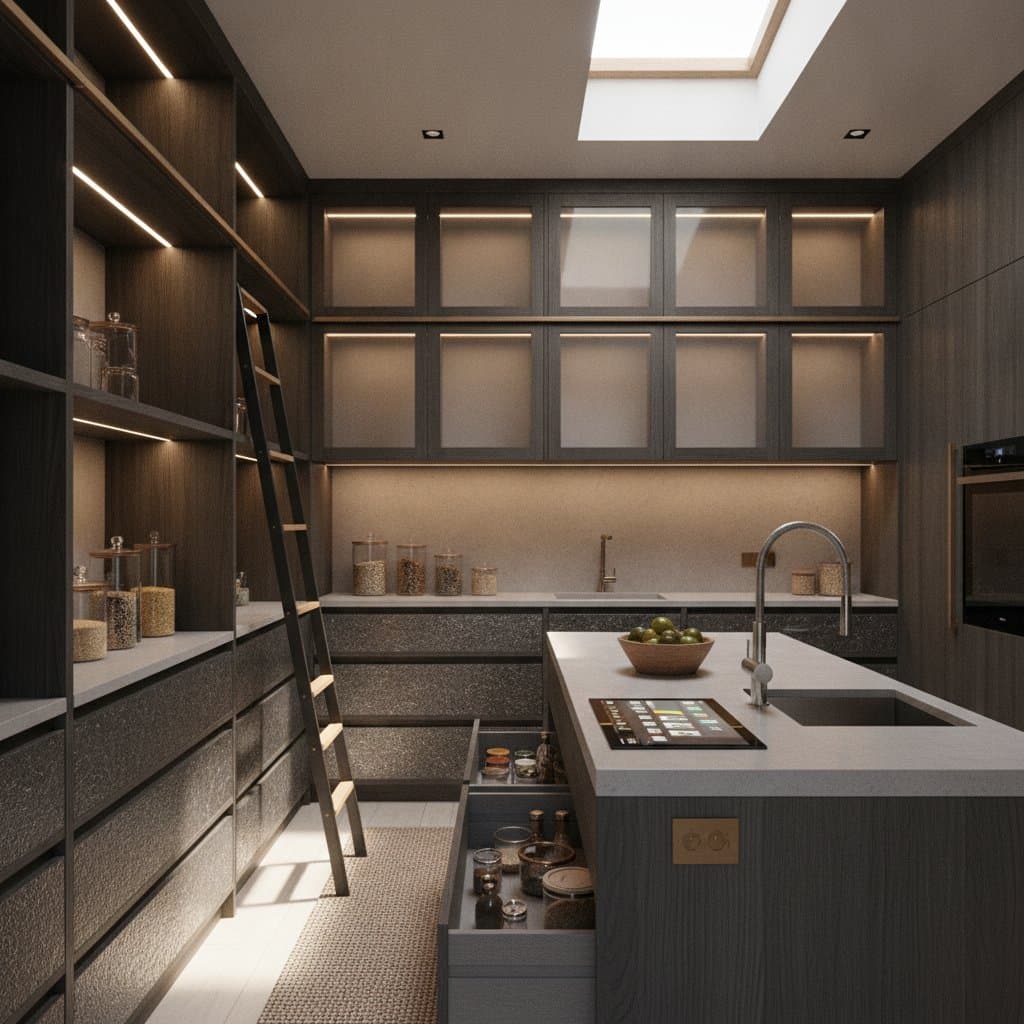
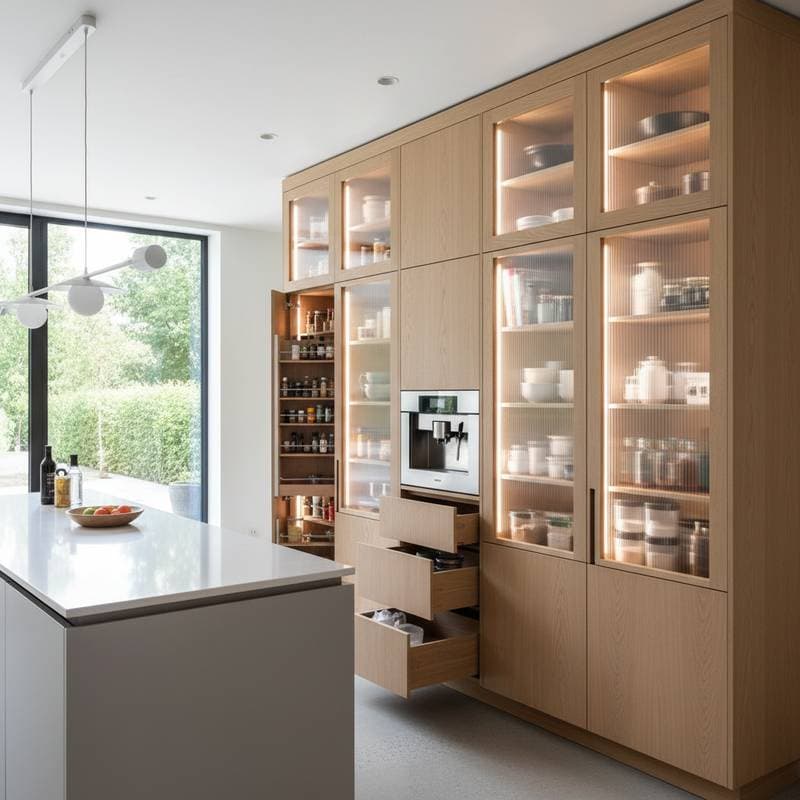
The National Kitchen and Bath Association reports that 42 percent of homeowners prioritize storage efficiency in remodels. This demand fuels the rise of pantry walls, full-height built-in systems that merge cabinetry, hidden shelving, and appliances into one cohesive unit. For budget-conscious renovators, these walls provide sleek visuals alongside proven financial benefits.
Identifying the Problem: Inefficient Kitchen Storage
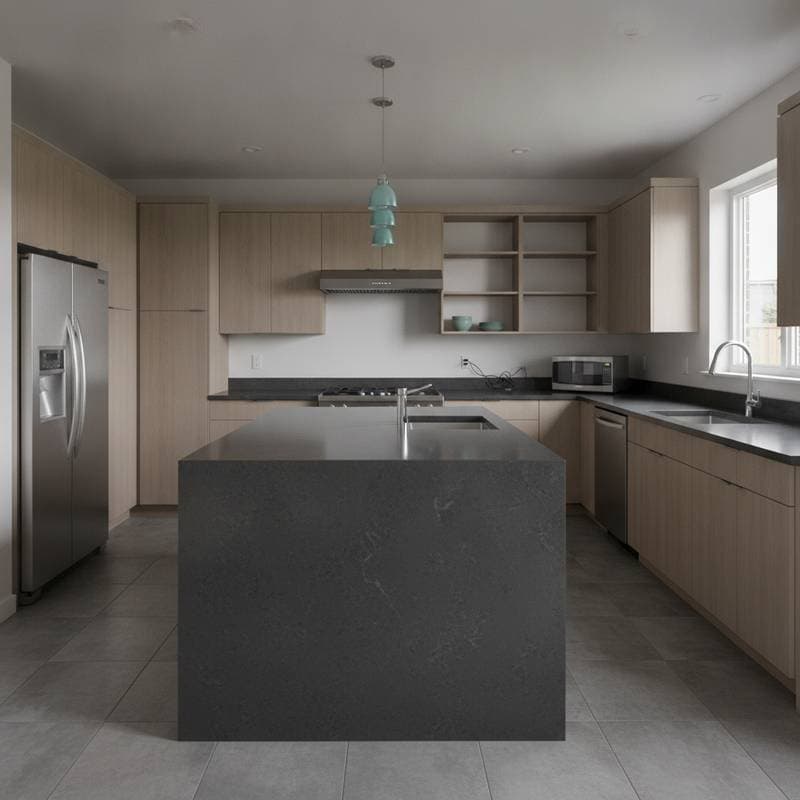
Traditional kitchens feature dispersed cabinets and compact pantries that leave space underused. Homeowners frequently invest in bespoke cabinetry or isolated units, yet clutter persists and expenses mount. A pantry wall resolves these issues by concentrating storage on one wall, which cuts the demand for additional cabinets and streamlines building efforts.
Financial consultant Mara Klein, CPA, of BuildSmart Advisors, notes, “When clients consolidate kitchen functions into a single wall unit, they often cut cabinetry costs by up to 20 percent while gaining more usable space.” Such outcomes attract those seeking maximum design return on limited funds.
Professional Context: How Designers and Builders View the Trend
Builders favor pantry walls for their ability to manage expenses effectively. Home Innovation Research Labs surveys indicate that kitchens with ceiling-high integrated storage experience reduced material waste and quicker assembly. These advantages prove essential amid ongoing labor constraints and volatile supply prices.
Eli Navarro, Senior Project Manager at UrbanCore Renovations, explains, “A well-planned pantry wall simplifies logistics. You order fewer cabinet variations, and the layout repeats easily, which means fewer installation hurdles.” Beyond aesthetics, this approach serves as a reliable method to mitigate project uncertainties.
Actionable Steps for Planning a Pantry Wall
To develop a pantry wall that balances cost and performance, follow these structured steps:
- Assess available wall space. Take precise floor-to-ceiling measurements and note any plumbing or electrical elements that could influence positioning.
- Determine storage priorities. Allocate zones for dry ingredients, compact appliances, and bulk supplies to match daily routines.
- Select cost-efficient materials. Opt for durable laminate options, which deliver 25 to 30 percent savings over premium hardwood alternatives.
- Include integrated lighting and power outlets. These features enhance access but require upfront integration to prevent expensive electrical adjustments.
- Engage a certified designer. Professionals from the National Kitchen and Bath Association ensure designs meet ergonomic standards and functional needs.
Cost Considerations and ROI
Building a pantry wall typically costs between $3,500 and $8,000, varying by material quality, surface treatments, and embedded components. In contrast, comprehensive cabinet overhauls surpass $15,000. The focused design of a pantry wall curbs both supply and workforce expenditures, while organized spaces elevate home marketability.
Hannah Ruiz, Lead Designer at CoreSpace Studios, observes, “Buyers gravitate toward efficient kitchens. A pantry wall conveys intentional planning and ease of upkeep, boosting overall property worth.” Resale analyses suggest returns near 70 percent for such upgrades, benefiting sellers and long-term owners alike.
Professional Resources and Support
Homeowners embarking on pantry wall projects should consult licensed contractors experienced in modular cabinetry. The National Association of Remodeling Industry maintains a regional directory of qualified experts. Modular kits from leading suppliers simplify customization and trim preliminary expenses.
Sustaining Pantry Wall Performance
Pantry walls offer enduring value in organization and economy, yet upkeep preserves their edge. Conduct routine checks on hinges, illumination, and shelving to avert major fixes. Periodic surface refreshes maintain appeal without extensive overhauls. Flexible shelving accommodates evolving household demands over time.
This trend embodies strategic remodeling that emphasizes practicality, market strength, and fiscal clarity. Homeowners eyeing updates will find the pantry wall a cornerstone for enhanced kitchen utility.