
Layered Kitchen Lighting: The 2026 Design Essential
Enter a thoughtfully designed kitchen, and the lighting draws immediate attention. It illuminates countertops for precise work, casts a gentle glow over the room, and accentuates architectural details without overwhelming the senses. This seamless integration stems from layered lighting, a technique that professionals employ to merge functionality with visual appeal. While renovations often prioritize appliances or surfaces, strategic lighting emerges as the transformative element reshaping kitchens nationwide.
Achieving this balance requires no extensive overhaul. Professionals rely on core principles that guide the selection and placement of light sources. The sections below outline these essentials, from foundational layers to advanced considerations, enabling any homeowner to cultivate a kitchen that performs effortlessly and radiates sophistication.
Ambient Lighting: Building the Foundational Glow
A kitchen equipped with targeted task lights may still appear stark if ambient lighting receives insufficient attention.
Homeowners frequently rely solely on overhead fixtures, assuming they suffice for general illumination. In reality, ambient light must distribute evenly to soften shadows and support other layers without dominating them.
Opt for recessed ceiling lights positioned at consistent intervals, or select slim surface-mounted panels for compact layouts. Prioritize dimmable models to adapt the intensity from bright mornings to relaxed evenings.
For optimal results, space recessed fixtures approximately four feet apart to ensure uniform coverage. Select bulbs boasting a color rendering index (CRI) exceeding 90, which preserves the true hues of ingredients and materials.
This foundational layer fosters a cohesive environment, minimizes visual fatigue, and sets the stage for enhanced usability throughout the day.
Task Lighting: Precision for Everyday Efficiency
Inadequate task lighting leads to strained eyes and inefficient workflows during meal preparation or cleanup.
Kitchens demand focused illumination over sinks, ranges, and prep areas, yet many installations fall short by providing only broad overhead light.
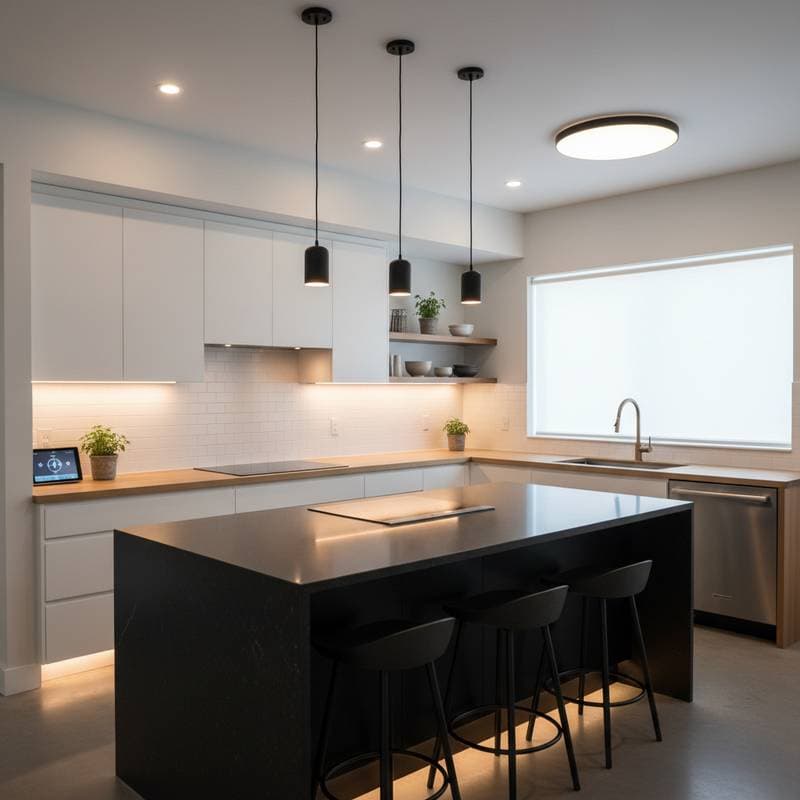
Incorporate under-cabinet strips or adjustable track lights to direct beams exactly where needed. For islands, pendant clusters offer versatile targeting without cluttering the space.
Aim for 300-500 lumens per square foot in work zones, using cool white bulbs around 3500K for sharp visibility. Ensure fixtures remain unobtrusive, mounting them below cabinet edges to avoid glare on shiny surfaces.
Effective task lighting empowers confident cooking and meticulous tasks, boosting safety and productivity while integrating smoothly with ambient elements.
Accent Lighting: Highlighting Key Features
Without accent lighting, kitchens risk appearing flat, failing to showcase textures or focal points like backsplashes or open shelving.
This layer serves to emphasize design elements, yet it often gets overlooked in favor of basic functionality.
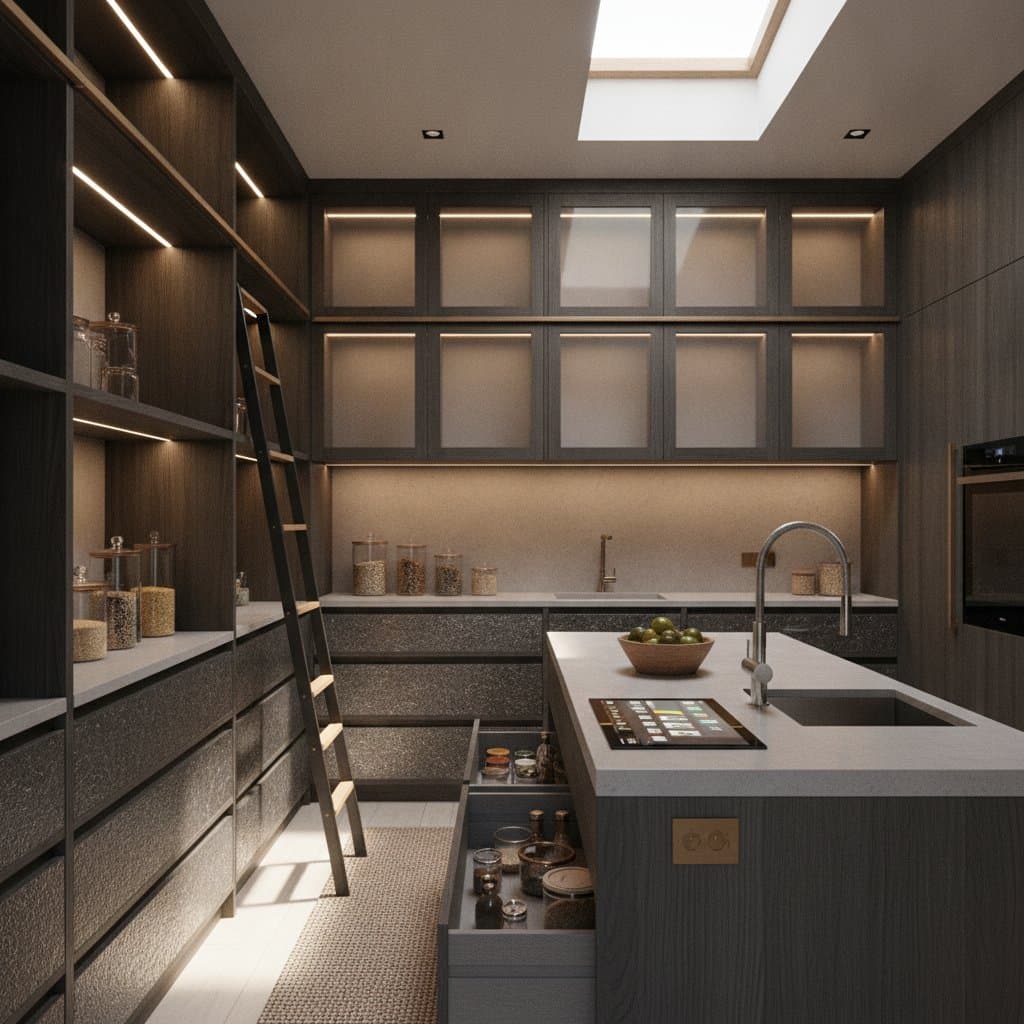
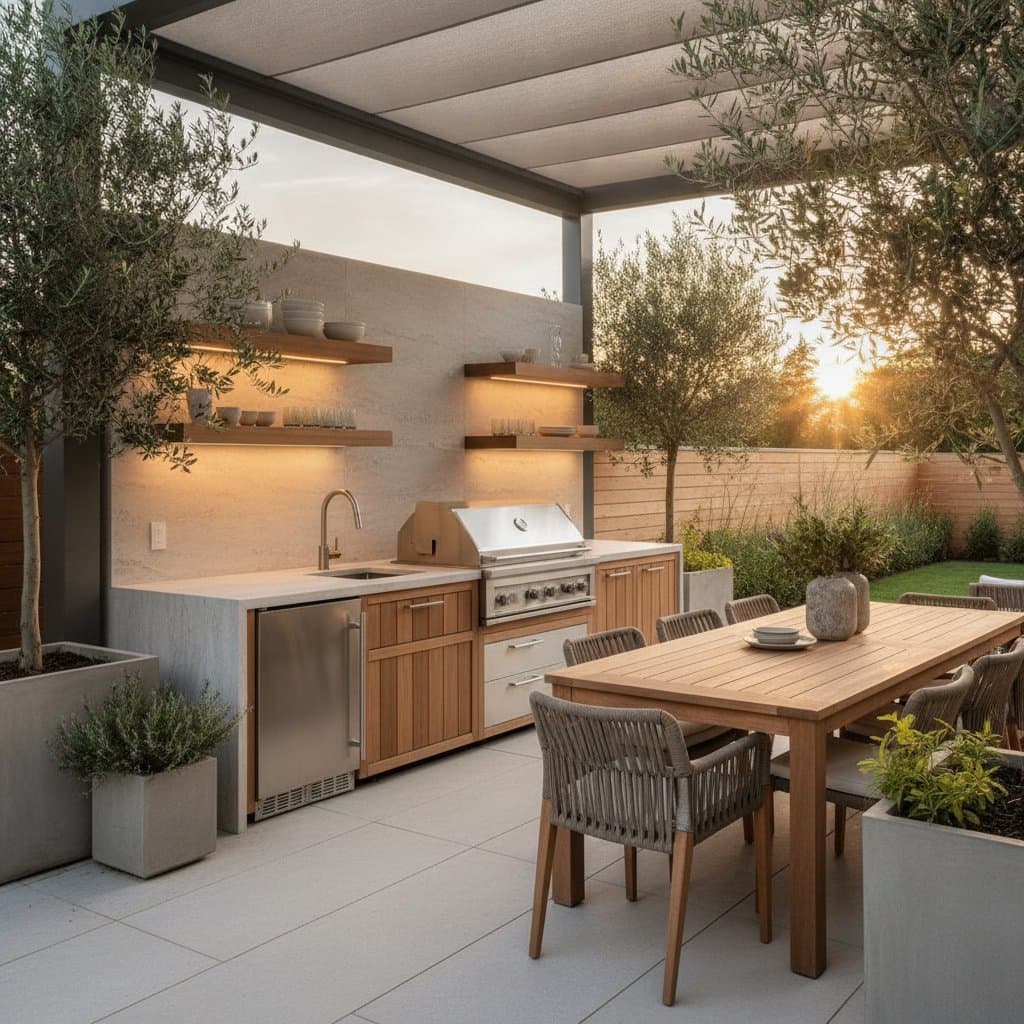
Install toe-kick lights under cabinets or cove lighting along upper edges to subtly graze walls and surfaces. Adjustable spotlights work well for artwork or architectural niches.
Choose low-voltage LEDs delivering 200-300 lumens, directed at a 30-45 degree angle to create depth without hot spots. Integrate motion sensors for automatic activation during evening use.
Accent lighting adds dimension and drama, transforming ordinary spaces into dynamic areas that reflect personal style and invite admiration.
Decorative Fixtures: Infusing Style with Functionality
Selecting decorative elements based on aesthetics alone can disrupt practicality, such as pendants that obstruct views or generate unwanted shadows.
In contemporary open plans, these fixtures delineate the kitchen while contributing to the overall scheme.
Choose pieces that align with your interior motif, ensuring they enhance rather than hinder movement. Position pendants 30 inches above countertops, favoring diffusers like etched glass to scatter light softly.
Employ dimmable LEDs producing at least 400 lumens per fixture, allowing shifts from task-oriented brightness to ambient subtlety. Verify compatibility with smart systems for seamless control.
Such fixtures serve as statement pieces, elevating the kitchen's character while supporting layered illumination for versatile daily use.
Color Temperature: Achieving Unified Harmony
Inconsistent color temperatures across bulbs result in a disjointed appearance, where warm areas clash with cooler ones.
Gradual bulb replacements over years often create this inconsistency, undermining the intended design.
Standardize on a single temperature: 2700K warm white for inviting coziness, or 3000K neutral white for balanced clarity. Apply this across all layers for cohesion.
Review Kelvin ratings prior to buying, and insist on CRI values above 80 to maintain color fidelity in produce and cabinetry.
Uniform temperature fosters a polished, intentional ambiance that enhances comfort and visual flow throughout the kitchen.
Smart Integration: Enhancing Control and Adaptability
Static lighting setups limit flexibility, making it challenging to adjust for varying activities or times of day.
Modern kitchens benefit from technology that responds to needs, yet many overlook these advancements.
Incorporate smart hubs compatible with voice assistants or apps to manage dimming, scheduling, and scenes. Pair with sensors that detect occupancy or natural light levels.
Select systems supporting protocols like Zigbee or Wi-Fi, ensuring bulbs and fixtures interconnect reliably. Test automation for scenarios like brighter prep modes or softer dinner settings.
Smart integration streamlines operation, conserves energy, and adapts the space dynamically, extending the lifespan and appeal of your lighting design.
Maintenance Strategies: Ensuring Lasting Performance
Subpar fixtures invite frequent issues, from hard-to-access bulbs to fixtures that degrade in humid environments.
Underestimating upkeep leads to diminished efficiency and aesthetic decline over time.
Prioritize LEDs rated for 50,000 hours or more, with easy-access designs that avoid disassembly. Opt for moisture-resistant finishes in cooking zones.
Employ sealed units near water sources and airtight recessed housings to combat vapor. Schedule annual inspections to clean lenses and verify connections.
A robust maintenance approach sustains brightness, safety, and style, preserving the investment in a layered lighting system for the long term.
Realizing the Full Potential of Your Kitchen
Layered lighting elevates the kitchen beyond mere utility, crafting an environment that supports routines while inspiring moments of joy. By methodically applying these layers—ambient for foundation, task for precision, accent for interest, and decorative for flair—homeowners unlock a space that adapts and endures. Consistent color choices and smart features further refine the experience, blending innovation with everyday practicality. Implement these strategies step by step, and witness how illumination reshapes not just visibility, but the heart of the home.