
Biophilic Kitchens: 2026 Remodel Costs Revealed
According to the latest National Kitchen and Bath Association survey, nearly 58 percent of homeowners prioritize natural materials and daylight access in their kitchen remodels. The same report indicates that 41 percent of respondents plan to increase budgets by at least 15 percent to incorporate biophilic features, including indoor gardens, natural stone, and enhanced air circulation. These figures demonstrate how the biophilic kitchen trend evolves from a specialized design choice into a widespread investment approach.
This shift extends beyond aesthetics to include financial benefits. Homeowners recognize that nature-inspired remodels enhance property value, lower energy expenses over time, and foster more comfortable, rejuvenating environments. The key consideration for many families involves determining the actual expenses of these upgrades and the returns they generate in the long term.
Identifying the Cost Discrepancy in Biophilic Designs
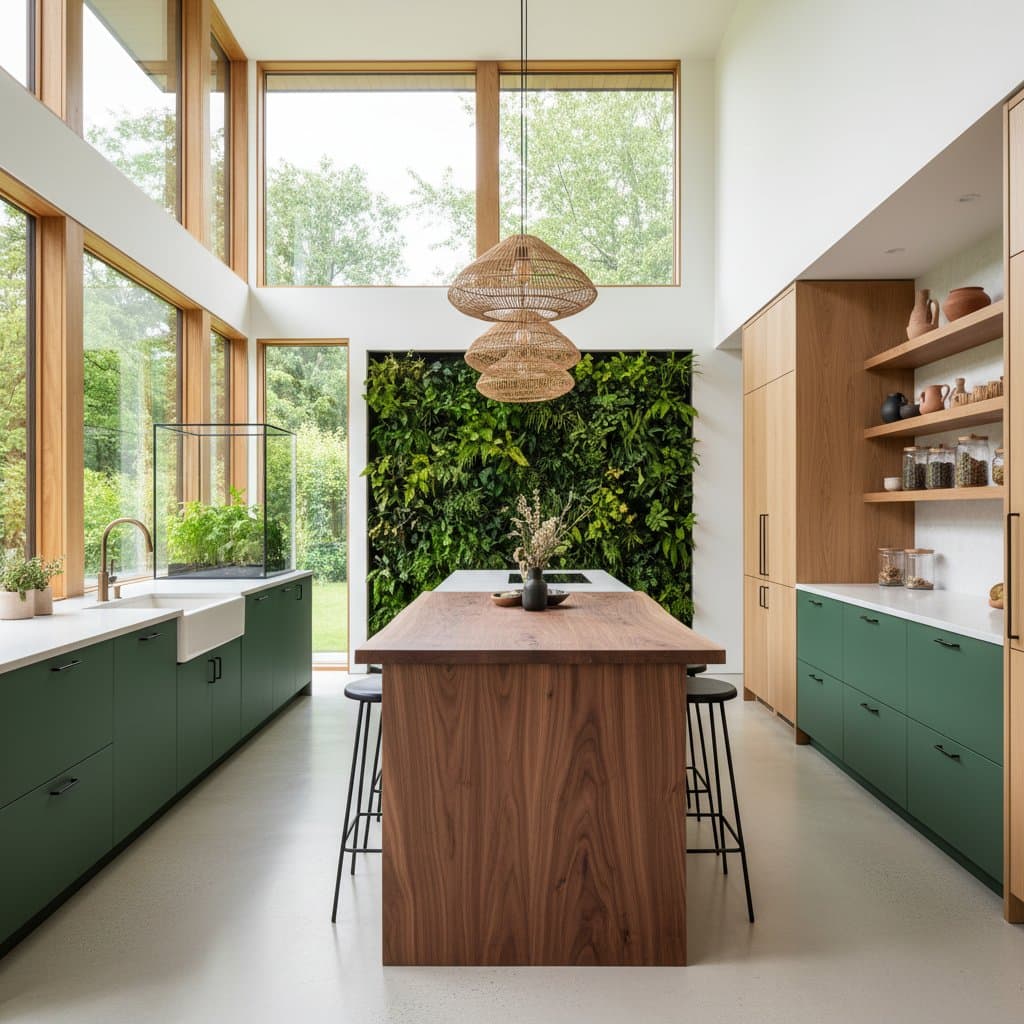
Biophilic design focuses on natural materials, plant elements, daylight, and links to outdoor settings. Applying this approach to a kitchen remodel presents both advantages and unforeseen costs. Homeowners often overlook the multifaceted expenses associated with features like living walls, water-saving fixtures, or ethically sourced stone.
A Remodeling Magazine report reveals that kitchen projects incorporating eco-friendly or nature-based elements exceed budgets by an average of 21 percent without thorough financial preparation. Rachel Mendez, CPA, and construction cost analyst at BuildSmart Financial Advisors, notes, "The biggest misconception is assuming biophilic design is just about materials. It often requires mechanical, electrical, and structural adjustments that add thousands to the initial estimate."
Biophilic kitchens remain feasible with strong project oversight and precise budgeting.
Market Insights from Industry Professionals
Contractors and designers report rising demand for natural materials in every region. James Holloway, Senior Project Manager at Greenline Construction Group, states, "We are seeing a 30 percent increase in requests for skylights, reclaimed wood, and indoor planters. The challenge lies in balancing those features with building codes and ongoing maintenance requirements."
Market data aligns with this trend. The Home Design Trends Index shows that biophilic remodels represent nearly one in five complete kitchen renovations. Such kitchens often achieve higher resale prices, particularly in cities where outdoor access proves scarce.
From a management standpoint, these projects require collaboration among lighting experts, HVAC engineers, and cabinet specialists. The addition of plants and natural airflow alters traditional processes and schedules.
Detailed Cost Analysis for Biophilic Kitchens
A standard biophilic kitchen remodel ranges from $68,000 to $142,000, influenced by kitchen size, material quality, and system intricacy. The following outlines typical expense categories.
Structural and Lighting Modifications
Expanding windows, adding skylights, or installing glass doors costs between $12,000 and $25,000. Adapting for natural light frequently involves structural framing or code-compliant energy-efficient glass.
Integrated Greenery and Living Walls
A basic living wall begins at $2,500, whereas a comprehensive vertical garden with automated irrigation surpasses $10,000. Annual upkeep for plant systems, including watering and supplemental lighting, adds $1,200 to $2,000.
Sustainable Materials for Surfaces and Cabinetry
Cabinetry from reclaimed wood runs $700 to $1,200 per linear foot. Countertops in granite, quartzite, or soapstone cost $80 to $180 per square foot. Eco-friendly flooring like bamboo or cork averages $10 to $15 per square foot after installation.
Improvements to Water and Air Systems
High-efficiency range hoods, low-flow faucets, and intelligent ventilation setups total $3,000 to $6,000. These elements promote better indoor air while cutting utility bills long-term.
Energy-Saving Appliances
Appliances with ENERGY STAR ratings cost 10 to 20 percent more initially yet decrease energy use by up to 25 percent over their lifespan. A complete set of such appliances averages $8,000 to $12,000.
Fees for Design and Expertise
Biophilic designers with experience charge 8 to 15 percent of the project total. They handle sourcing of eco-materials, engineering consultations, and oversight of green installations.
Practical Steps to Manage Your Budget
Approach the remodel through a structured management lens rather than prioritizing aesthetics alone to maintain control over finances.
- Develop a value-engineering strategy at the outset. Pinpoint natural elements offering the highest returns, such as daylighting for energy savings over decorative woods.
- Set aside a 12 percent contingency fund. Custom green systems may extend timelines or necessitate changes during construction.
- Obtain detailed, itemized estimates. Verify that contractors separate charges for materials, labor, and specialized components like irrigation or lighting.
- Consider staging the work. Begin with essential upgrades to light and air before advancing to greenery or premium finishes.
Sophie Tran, LEED-certified designer at Urban Habitat Interiors, recommends, "Clients who treat biophilic renovations as phased investments usually sidestep overruns. They experience gains in light and air quality upfront, then add refined touches progressively."
Overlooked Expenses in Biophilic Projects
Certain costs catch homeowners off guard during these remodels.
- Moisture management: Live plants demand waterproofing and humidity controls, contributing $2,000 to $4,000 in supplies and work.
- Service agreements: Living walls may need quarterly checks at $600 each.
- Policy changes: Electrical or plumbing alterations could require insurance reviews or inspections.
- Approval processes: Skylights or glass expansions often involve permits costing $500 to $2,000.
Overlooking these items risks disrupting well-intentioned plans.
Selecting Qualified Experts
Choosing appropriate professionals ensures the project's financial viability and durability. Seek companies holding sustainability credentials and track records in handling intricate mechanical and plant-based setups.
During interviews with contractors or designers, inquire about:
- The number of biophilic or eco-oriented remodels completed.
- Post-installation maintenance services provided.
- Comparisons of costs between natural and alternative materials.
- Documentation from suppliers on sustainable sourcing.
Organizations like the U.S. Green Building Council and the National Association of the Remodeling Industry offer lists of certified specialists in biophilic work.
Assessing Long-Term Value
Biophilic kitchens involve higher initial outlays yet provide concrete benefits in home worth and lifestyle enhancement. The Remodeling Futures Program analysis indicates that projects with energy systems and natural elements recover 62 percent of costs upon resale.
Moreover, better air quality correlates with improved focus and health. A Harvard Building Performance Study demonstrates that enhanced ventilation and daylight raise cognitive performance by 61 percent relative to typical indoor spaces.
Sustaining Biophilic Kitchen Benefits
Post-completion maintenance preserves the investment's worth. Clean ventilation regularly, check irrigation for issues, and address plant failures promptly to avoid water damage.
Arrange expert checkups biannually to adjust sensors, lights, and airflow. Document all upkeep to uphold warranties and aid future sales.
A thoughtfully executed biophilic kitchen yields practical and emotional rewards. As Rachel Mendez observes, "The smartest projects balance emotion with economics."
View the remodel as an ecological and monetary resource to build a nurturing space that safeguards your finances.