Hidden Remodeling Costs That Destroy 2026 Budgets
Homeowners begin remodeling projects with clear plans and firm estimates. Visible finishes often receive the most attention during initial budgeting. Hidden conditions behind walls and under floors frequently alter those figures once work starts.
An architect who has overseen numerous transformations recognizes recurring issues across projects. These issues multiply when left unaddressed. The following sections outline nine specific areas that require attention before demolition begins.
1. Inspect Systems Behind the Walls
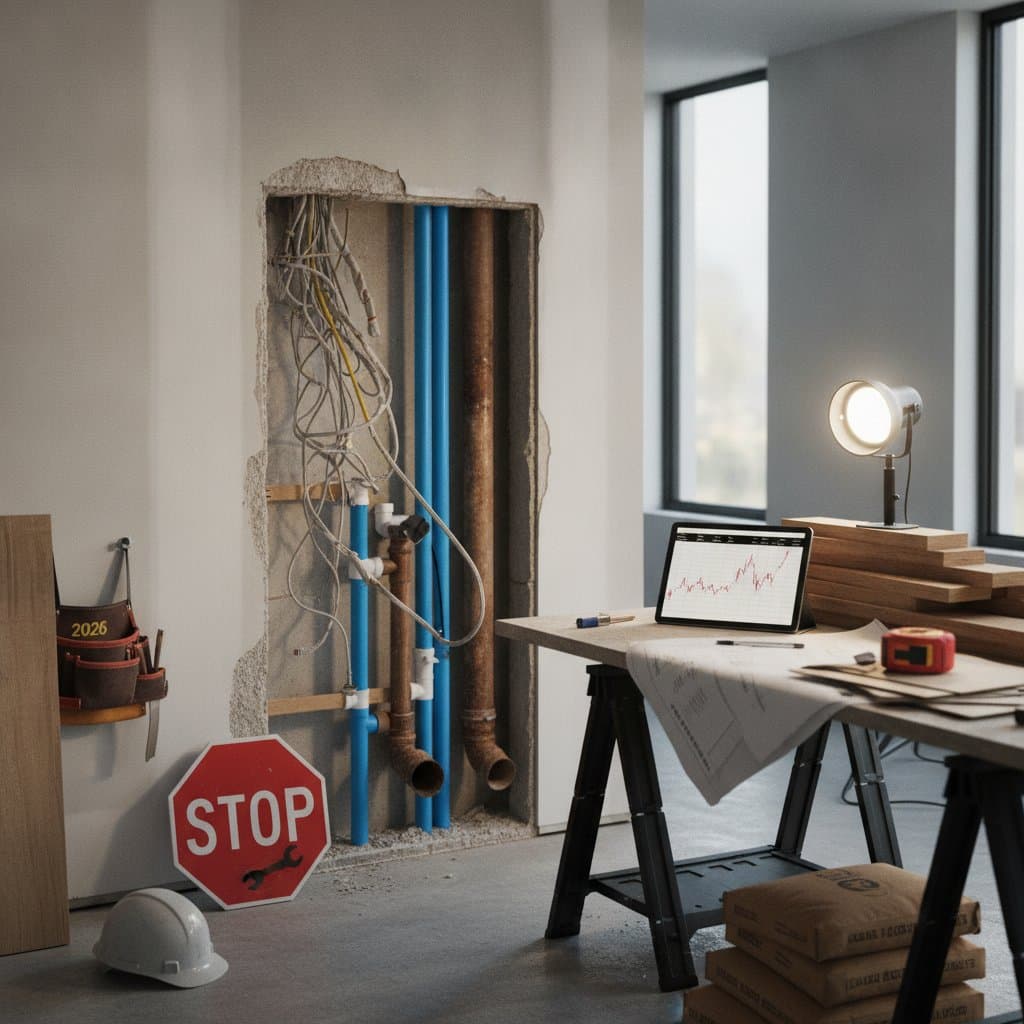
Visible finishes rarely reflect the condition of wiring, plumbing, or framing. One kitchen project revealed outdated circuits and corroded pipes that failed current codes. Budget ten to fifteen percent of the total for infrastructure updates from the outset.
Modern appliance circuits require dedicated lines. Replace galvanized pipes with copper or PEX to meet reliability standards. Early correction avoids later inspection failures and water damage.
2. Assess Structural Elements in Older Homes
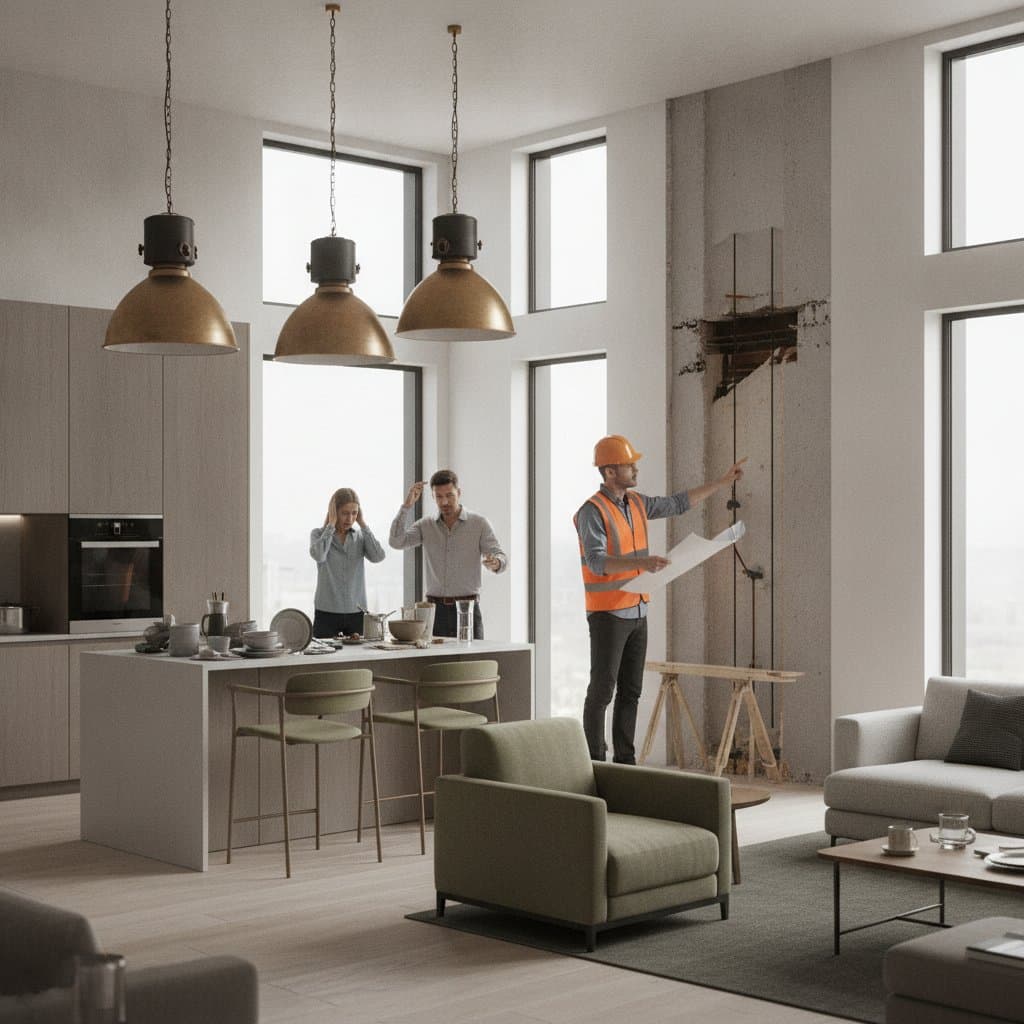
Load-bearing walls and foundations often hide deterioration that appears only after demolition. A dividing wall removal once exposed a sagging beam that needed immediate reinforcement. Engage a structural engineer for a pre-demolition review.
Laser levels and moisture meters identify floor deflection and hidden rot. These checks limit emergency redesigns that increase framing expenses.
3. Include Permit and Compliance Expenses
Major renovations trigger plan reviews, inspections, and code upgrades. A bathroom expansion that relocates plumbing lines requires multiple permit stages. Contact the local building department during design to obtain fee schedules.
Separate permits for electrical, mechanical, and structural work carry individual charges. Proper documentation protects future resale value and prevents work stoppages.
4. Adjust Material Quantities for Waste
Square footage calculations omit cutting loss and pattern matching requirements. Tile and flooring orders need an additional ten percent to cover field conditions. Confirm delivery fees and minimum order sizes with suppliers in advance.
Adequate material on site prevents mismatched dye lots and schedule delays.
5. Test for Moisture and Mold Risks
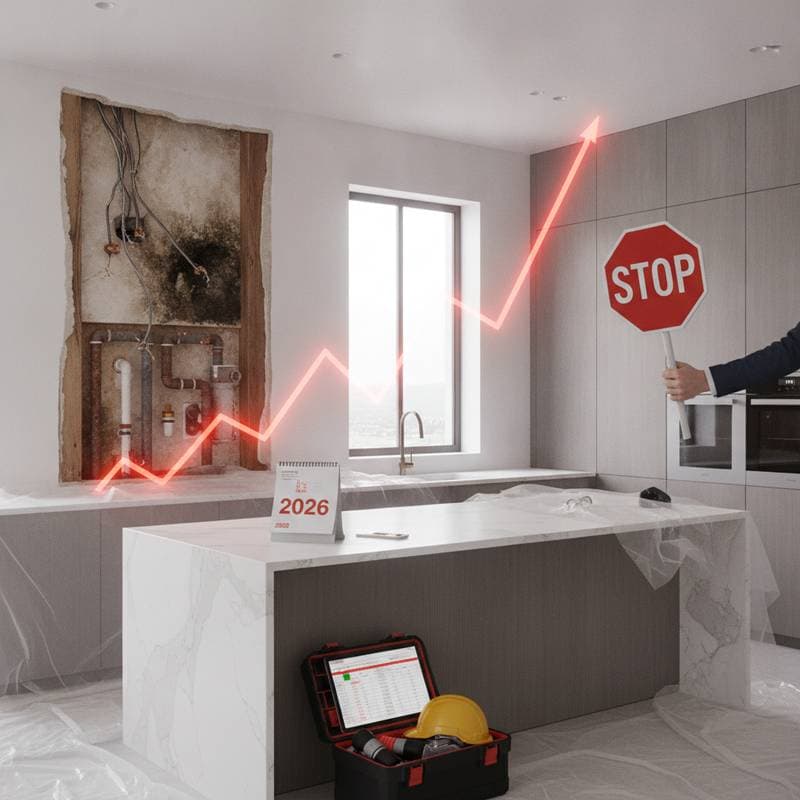
Water intrusion appears behind bathrooms, kitchens, and basements in older buildings. A basement remodel can expose damp insulation that must be removed. Perform moisture testing before finalizing the design.
Incorporate vapor barriers, waterproof membranes, and closed-cell spray foam where humidity levels remain high. Cement board replaces drywall near wet zones to maintain air quality.
6. Evaluate Custom Fabrication Expenses
Built-in cabinetry and specialty millwork require more labor than stock alternatives. One bench installation extended into multiple days and doubled the finish budget. Request shop drawings and itemized labor quotes before approval.
Compare custom options against semi-custom lines to preserve design intent within realistic costs.
7. Review Site Access Limitations
Steep driveways or narrow entries increase equipment rental needs and labor hours. A hillside property once required crane service for material delivery. Evaluate logistics with contractors during the bidding phase.
Advance identification of access constraints prevents daily cost overruns.
8. Allocate Funds for Temporary Housing
Construction often displaces residents for weeks or months. One kitchen project required short-term apartment rental and storage unit fees. Add these line items to the overall budget before work begins.
Planning for meals and storage maintains project momentum without personal hardship.
9. Reserve Funds for Final Adjustments
Touch-ups, hardware tweaks, and paint corrections appear after substantial completion. Set aside three to five percent of the contract value for these items. This reserve covers minor changes without reopening the main budget.
Controlling Remodel Expenses from Start to Finish
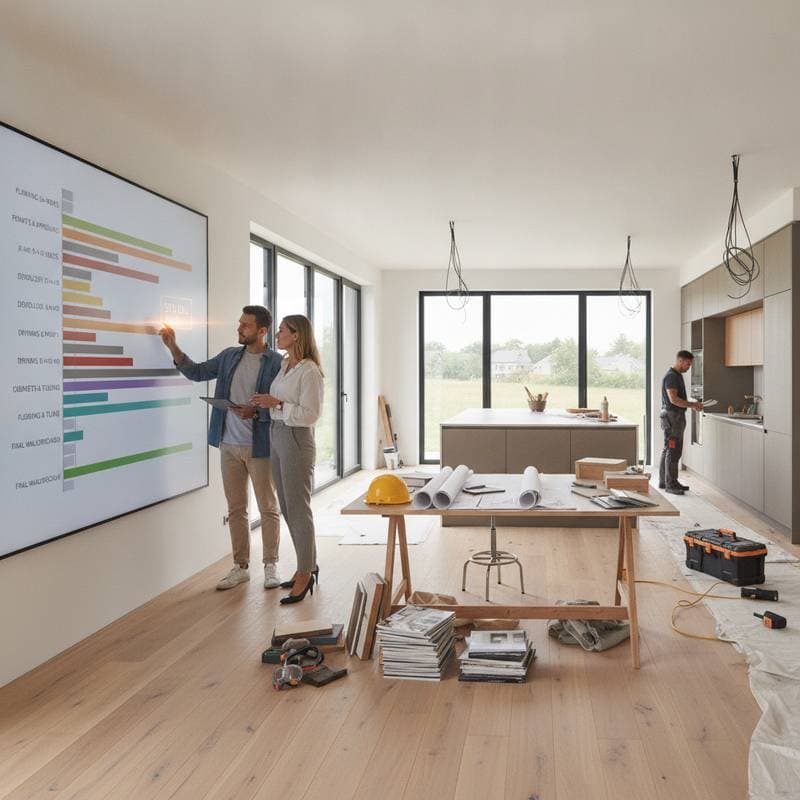
Knowledge of these nine areas allows homeowners to maintain budget control throughout the process. Early inspections, realistic allowances, and contractor coordination convert potential overruns into predictable line items. The result is a completed project that meets both design goals and financial limits.