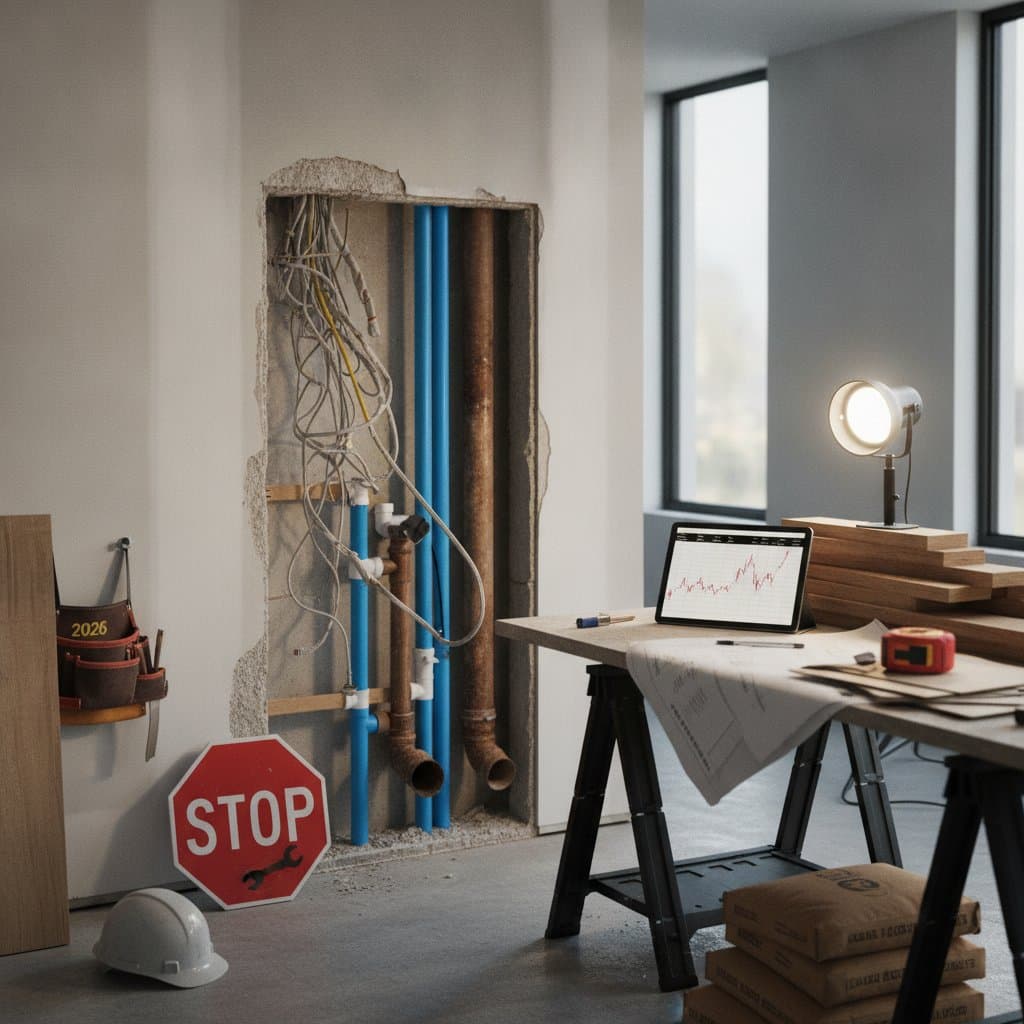
2026 Remodel Timeline: Weeks Needed for Each Phase
You know that feeling when you picture a gleaming new kitchen, then glance over at the pile of takeout containers on your counter and think about starting next month. That is the emotional side of remodeling. The dream feels exciting, but the timeline can surprise even the most prepared homeowner. A national home improvement survey shows that more than half of homeowners underestimate both the duration of renovations and the costs that delays create.
Remodeling depends on careful scheduling, contractor coordination, and patience. The following breakdown covers each typical stage, the work involved, and practical steps to avoid extended disruptions.
Phase 1: Planning and Design (4 to 8 Weeks)
This stage turns initial ideas into workable plans that fit the budget. Homeowners meet with designers or contractors to settle on layouts, select materials, and obtain firm cost estimates.
Key activities include:
- Review goals and priorities with the design team
- Gather and compare bids from multiple contractors
- Lock in the final design along with a complete materials list
- Prepare documents for permit applications
Decide on finishes as early as possible. Late changes often add weeks and extra expense. Order items with long lead times, such as custom cabinets, before work begins on site.
Project manager Ethan Morales notes that thorough design work reduces surprises during later stages.
Phase 2: Permitting and Approvals (2 to 4 Weeks)
Local building departments review plans for code compliance. Approval times vary by jurisdiction and project scope.
Submit complete drawings and specifications. Incomplete applications are a common source of delay. Track the status of each permit and respond quickly to any requests for additional information.
Phase 3: Demolition and Site Preparation (1 to 3 Weeks)
Once permits are issued, crews remove existing finishes and fixtures. Hidden conditions such as outdated wiring or water damage often appear during this work.
Maintain a small contingency fund for unexpected repairs. Licensed contractor Jenna Ruiz observes that older homes frequently reveal issues that require immediate attention.
Phase 4: Rough-In Work (3 to 5 Weeks)
New framing, plumbing, electrical, and HVAC lines are installed. Inspections occur at key points to confirm compliance before walls are closed.
Coordinate the sequence of trades carefully. Overlapping schedules can create conflicts and slow progress.
Phase 5: Insulation, Drywall, and Interior Finishes (3 to 5 Weeks)
Insulation and vapor barriers are placed, followed by drywall installation, taping, sanding, priming, and painting.
Dust travels beyond the work area. Seal doorways to living spaces and use air filtration units to limit spread.
Phase 6: Trim, Flooring, and Fixtures (2 to 4 Weeks)
Baseboards, casing, flooring, and final fixtures are installed. Cabinets and countertops are set in place.
Protect finished surfaces during this period. Schedule deliveries to avoid damage from ongoing foot traffic.
Phase 7: Final Inspection and Punch List (2 to 4 Weeks)
The local authority performs a final review. A punch list addresses remaining items such as touch-up paint, hardware adjustments, and cleaning.
Walk through the space with a checklist and strong lighting before the contractor leaves. Small defects are easier to correct at this stage.
Next Steps for Your Project
Use the timeline above to build a realistic schedule with your contractor. Confirm permit requirements early and maintain open communication throughout construction. A modest time buffer helps absorb the unexpected events that arise in nearly every renovation.