Hidden Remodeling Costs That Derail Your Budget
More than 40 percent of homeowners exceed their remodeling budgets. Unexpected expenses often account for nearly one fifth of total renovation spending. These figures point to a recurring issue. Projects begin with careful planning yet end in financial strain. The root cause is rarely poor design. It stems from a lack of transparency about costs that appear once work begins.
Homeowners typically account for visible items such as cabinetry, flooring, and paint. Budgets break when unseen expenses emerge behind walls, under floors, or within regulatory requirements. Recognizing these sources and planning for them supports responsible project financing.
Outdated Electrical and Plumbing Systems
The Problem
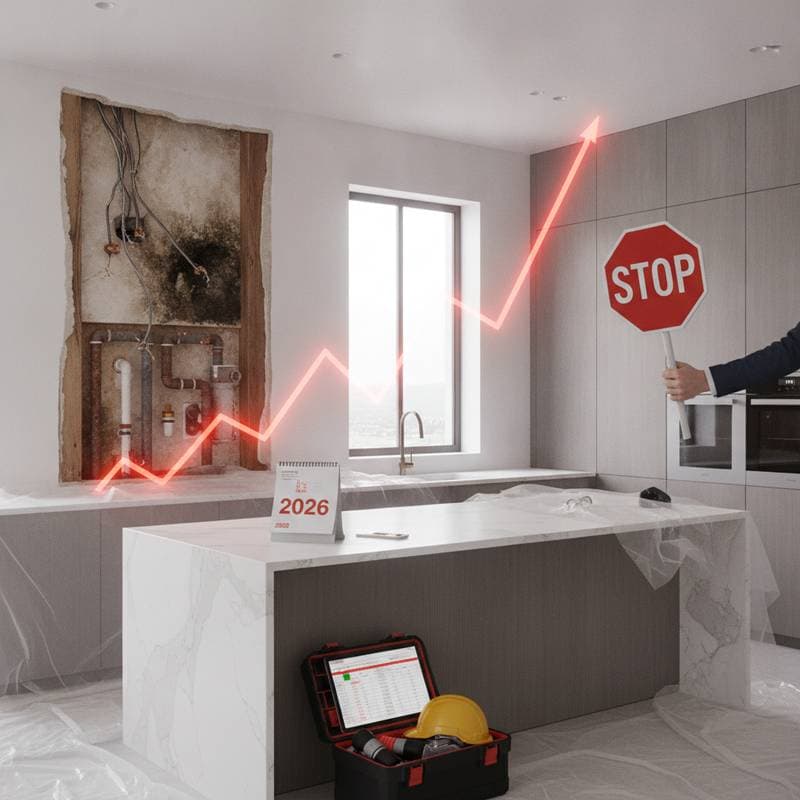
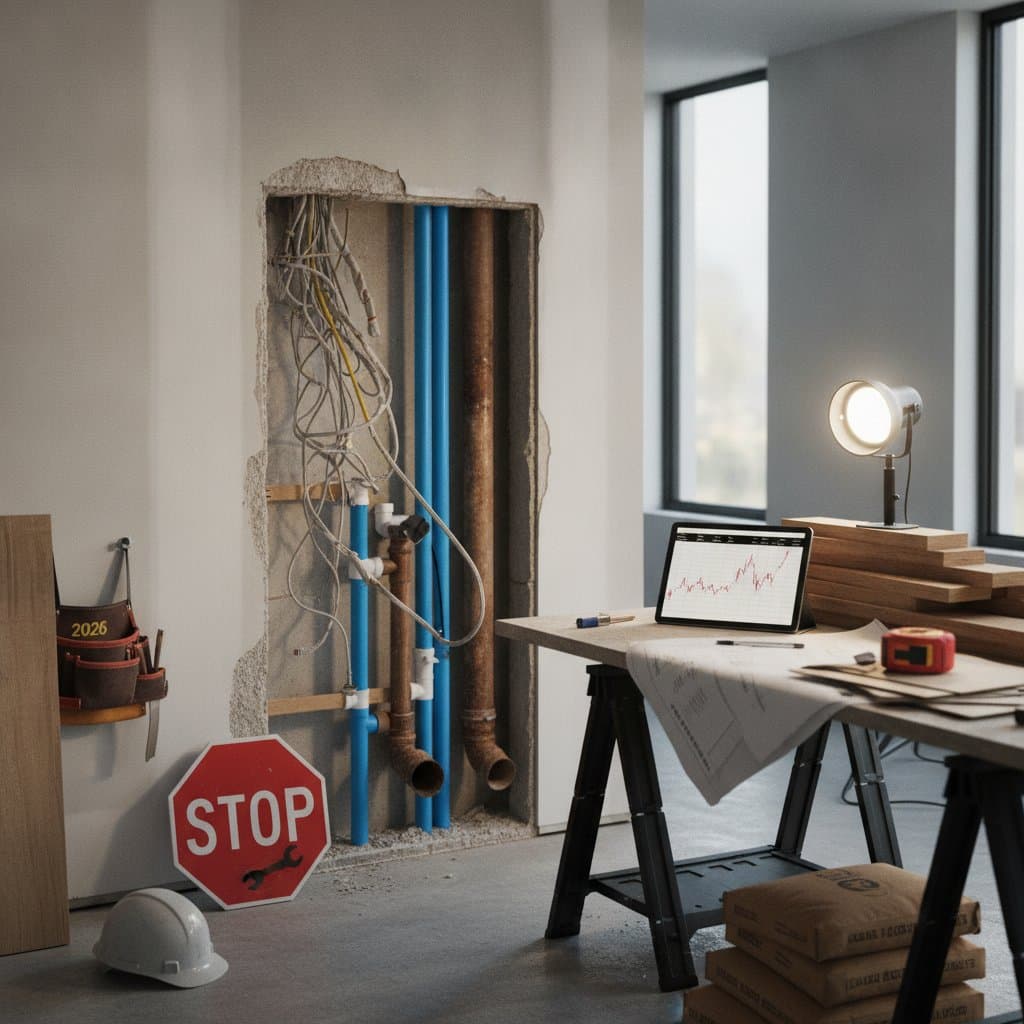
Older homes frequently contain wiring or plumbing that no longer meets current codes. Discovery during renovation forces full replacement to pass inspection. Electrical and plumbing updates can add 12 to 18 percent to kitchen or bath projects.
Professional Context
Licensed plumber Sarah Ortega notes that opening walls often reveals galvanized pipes or improper junctions. These issues require correction before new finishes are installed. Electricians encounter similar conditions in homes built before modern grounding standards.
Actionable Solutions
- Request a pre demolition system check with tradespeople at accessible points.
- Plan for code upgrades even when systems appear functional.
- Bundle updates across trades when walls are already open to reduce repeated labor.
Cost Considerations
Rewiring one room ranges from 2000 to 4000 dollars. Full home rewiring may exceed 12000 dollars. Bathroom plumbing line replacement averages 3000 to 5000 dollars. These figures seldom appear in initial estimates unless requested.
Material Shortages and Price Fluctuations
The Problem
Prices for lumber, tile, and imported fixtures shift rapidly. Budgets set months earlier often face increases by the time orders are placed. Material volatility has risen nearly 30 percent in recent years.
Professional Context
Supply analysts observe that pricing follows commodity patterns. Timing, shipping, and availability affect final costs. Even short delays can change the cost per square foot.
Actionable Solutions
- Request price holds from suppliers for a defined period.
- Purchase materials once design choices are confirmed.
- Substitute local alternatives to limit import related swings.
Cost Considerations
Tile and flooring can vary 10 to 15 percent in a season. A 300 square foot area may incur 600 to 1000 dollars in added expense. Review supplier terms for escalation clauses before finalizing quotes.
Disposal, Cleanup, and Site Preparation Fees
The Problem
Debris removal seldom enters early estimates yet remains a steady expense. Dumpster rentals, hazardous material handling, and site cleanup consume several percent of project totals. Waste disposal alone averages 400 to 1000 dollars per project.
Professional Context
Older homes may contain lead paint or asbestos. Certified removal costs far more than standard hauling. Failure to address these materials risks fines or work stoppages.
Actionable Solutions
- Require a written waste plan that assigns disposal responsibility.
- Test for hazardous materials before demolition starts.
- Reserve dumpsters ahead of peak construction periods.
Cost Considerations
Basic dumpster rental starts near 500 dollars. Hazardous waste removal can exceed 3000 dollars. Remediation adds 10 to 15 percent in labor and compliance fees.
Contractor Minimums and Mobilization Costs
The Problem
Small projects rarely cost proportionally less. Contractors apply mobilization fees for setup, travel, and minimum labor hours. These charges raise the effective cost per square foot on limited work.
Professional Context
Contractors must cover fixed expenses regardless of project size. Clear disclosure of these fees helps homeowners compare bids accurately.
Actionable Solutions
- Combine multiple rooms under one contract to spread fixed costs.
- Request a detailed breakdown of setup and teardown charges.
- Schedule work during slower months when rates may be lower.
Cost Considerations
Mobilization fees often range from 500 to 1500 dollars. Combining projects can reduce the per square foot impact by 20 percent or more.
Structural Repairs and Permit Delays
The Problem
Hidden structural issues and permit processing extend timelines and budgets. Inspections may reveal needed reinforcements or corrections. Permit delays add holding costs such as extended rentals or temporary housing.
Actionable Solutions
- Obtain structural assessments before contracts are signed.
- Submit permit applications early and track review timelines.
- Build extra weeks into the schedule for regulatory steps.
Cost Considerations
Structural repairs can add 3000 to 8000 dollars depending on scope. Permit and inspection fees range from 500 to 2000 dollars, with delays increasing indirect expenses.
Protecting Your Renovation Budget
Conduct pre demolition inspections with licensed professionals. Reserve 15 to 20 percent of the total budget for contingencies. Document every change in writing. Include permits, temporary living costs, and cleanup in the financial plan. Select contractors who supply itemized estimates and discuss potential risks openly.