Common Open-Concept Layout Mistakes to Avoid
Open-concept homes promise light and connection but can quickly become noisy, cluttered, and inefficient without planning. From zoning and acoustics to storage, HVAC, and lighting, this guide reveals the top mistakes homeowners make. Smart design choices can turn open layouts from chaotic to cohesive.
A national remodeling survey found that nearly half of homeowners who opened up their floor plans wished they had better anticipated noise, storage, and heating costs. The dream centers on connection and light. The reality, when executed poorly, involves mess, echo, and regret.
The following sections outline frequent errors and practical solutions that maintain visual appeal while improving daily function.
Mistake 1: Underestimating Noise and Acoustics
Open layouts amplify sound. Plan for acoustic control from the start. Sound travels freely in open spaces. That means the morning coffee grinder can wake every sleeper, and the TV competes with every conversation.
Once the drywall is gone, there is nowhere for noise to hide. Contractor Miguel Ortiz, who has renovated hundreds of open-plan homes, noted that drywall and doors serve as natural sound barriers. Removing them requires replacement with texture or technology.
Add soft materials such as curtains, upholstered furniture, and fabric panels. Consider acoustic ceiling tiles or textured plaster finishes. Use area rugs over hard floors to absorb echo. Budget around ten percent of the project for acoustic improvements.
Mistake 2: Overlooking HVAC and Energy Efficiency
Larger open areas prove harder to heat and cool evenly. When several rooms merge into one, the heating and cooling system must work harder to maintain comfort. Hot spots near windows and chilly corners by the kitchen become common. Energy bills can rise quickly.
Have an HVAC specialist assess the system before demolition. Add ceiling fans or zoned thermostats for better control. Use strategic window treatments to balance temperature. Energy consultant Priya Banerjee of GreenSpace Solutions observed that homeowners often spend thousands correcting uneven airflow after tearing down walls.
A simple pre-renovation HVAC check prevents such issues. Plan an extra five to ten percent of the budget for potential HVAC adjustments.
Mistake 3: Forgetting Lighting Layers
Open layouts need flexible lighting that adapts to each zone. Removing walls can leave odd shadows or a single harsh light that does little for ambiance. A layered lighting plan keeps spaces balanced.
Combine ambient, task, and accent lighting. Use dimmers to adapt to different activities. Align lighting fixtures with furniture placement rather than ceiling grids alone. Good lighting planning adds a modest percentage to renovation cost yet creates the largest visual impact.
Mistake 4: Skipping Professional Input
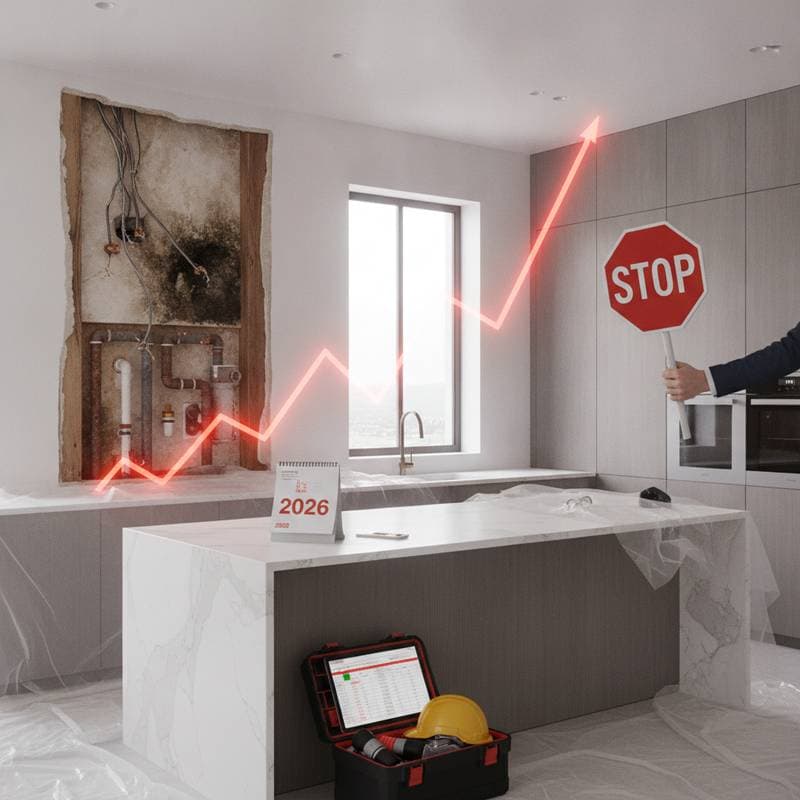
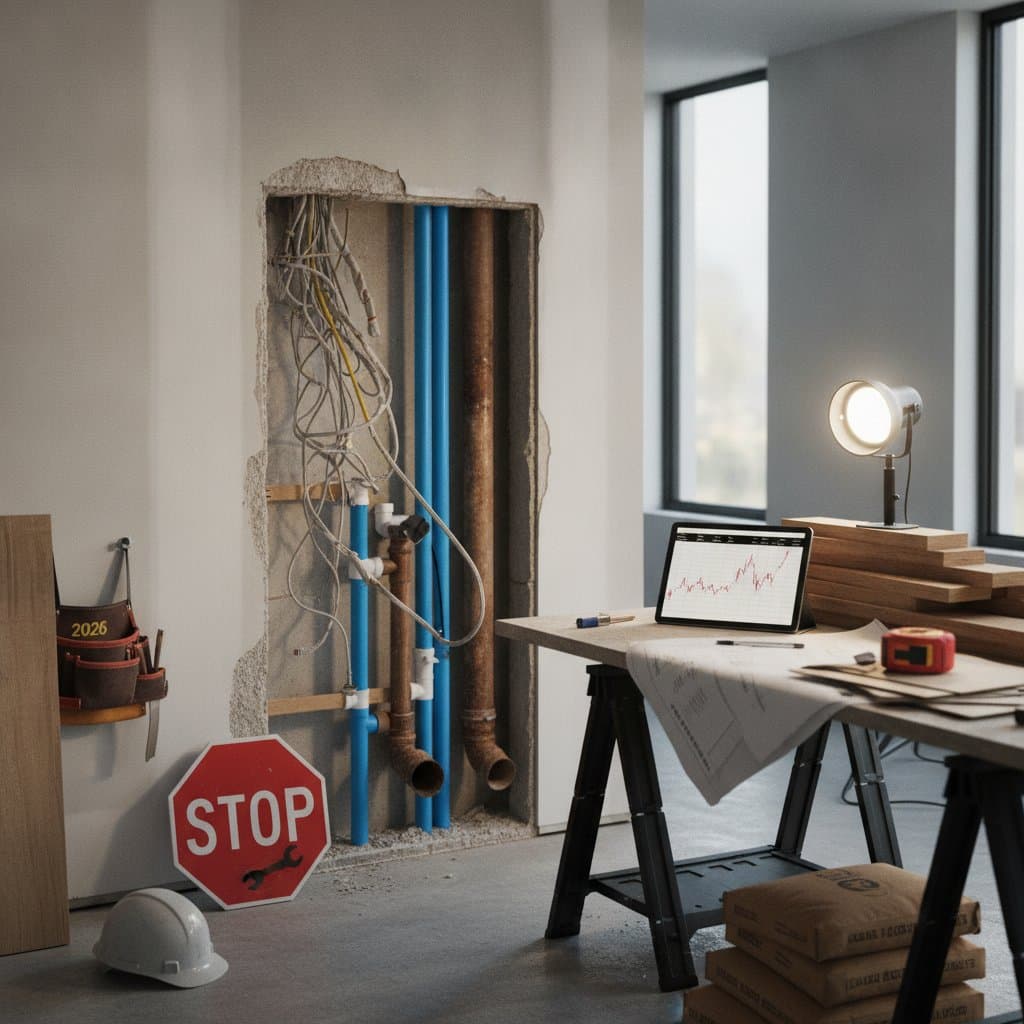
DIY wall removal can destroy structure and resale value. Every open-concept project begins with the idea of simply taking down a wall. Many homeowners discover too late that it was load-bearing or critical to wiring and plumbing. Correcting that error can double costs.
Always consult a structural engineer or licensed contractor before demolition. The upfront cost, often a few hundred dollars, safeguards against five-figure repair bills.
Apply These Design Adjustments
Address acoustics, climate control, lighting, and structural review in sequence during planning. These steps create functional open spaces that support daily living without ongoing frustration. Homeowners who integrate the adjustments early enjoy lasting comfort and visual appeal.