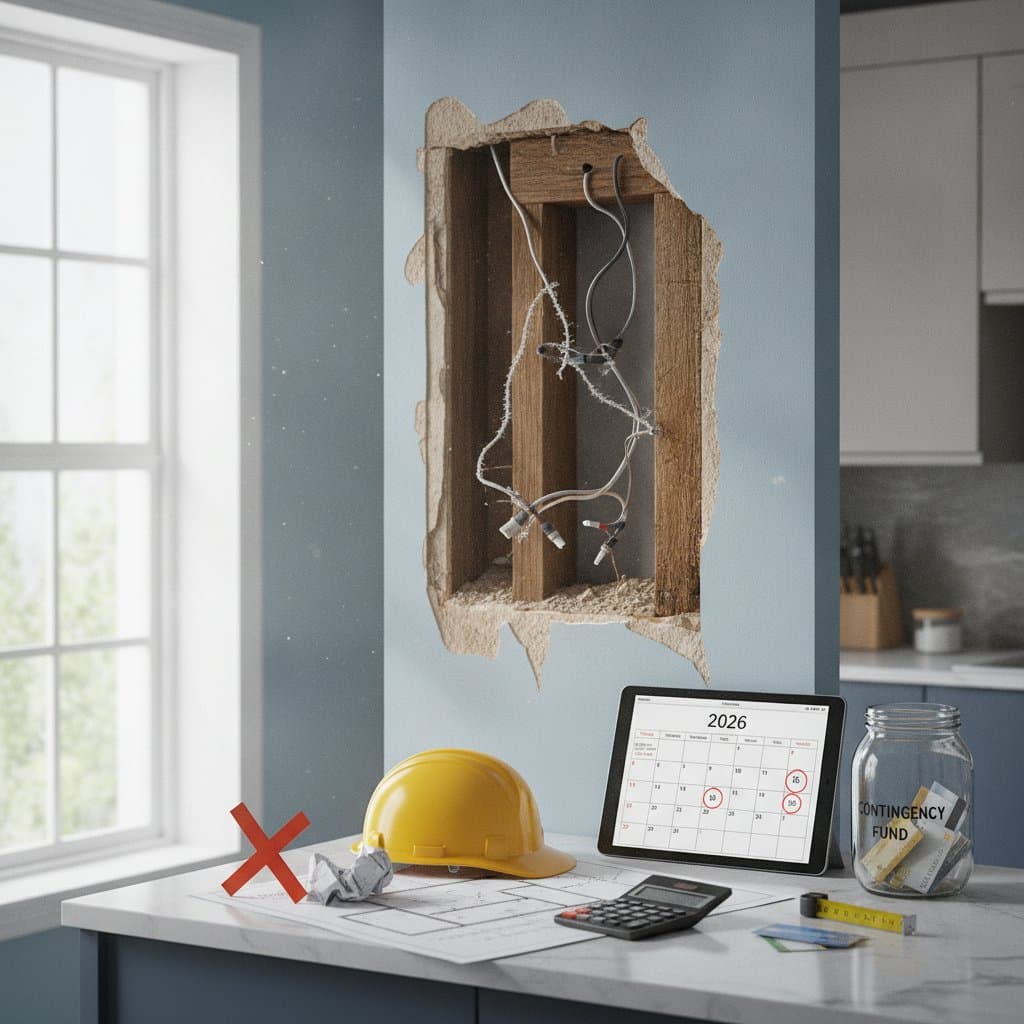


Unseen Remodel Fees: Protecting Your 2026 Budget from Overruns
Homeowner surveys from leading remodeling platforms indicate a significant increase in budget overruns, with over half of projects surpassing estimates by at least 10 percent. These excesses stem not from lavish material choices or inadequate planning, but from concealed fees embedded in contracts and vendor quotes. Such charges accumulate subtly, escalating totals well before project completion.
This analysis draws on contractor records, supply chain trends, and real homeowner stories to illuminate the most prevalent hidden fees in remodeling. Readers will learn how minor entries compound into major costs, essential inquiries to make prior to contract approval, and methods to promote transparency for substantial savings.
1. Permit Surprises
Permits appear as routine paperwork, yet they frequently evolve into expensive delays, particularly in areas with stringent zoning laws or historic preservation rules. Applications may require extensive reviews, leading to elevated inspection charges and repeated submissions.
Case Example: San Diego Townhouse Remodel
Designer: Clarissa Lee Interiors
Materials: Brushed nickel fixtures, white oak cabinetry
Design Approach: The team crafted a modern, luminous kitchen, but plumbing modifications necessitated several permit resubmissions.
Key Benefits: Enhanced water efficiency and streamlined layout.
Aesthetic Outcome: Sleek lines that conceal underlying plumbing intricacies.
Fees for permits can double when projects involve structural elements or utility alterations. Contractors should provide a full permit breakdown before any design adjustments receive approval.
2. Dumpster and Hauling Fees
Initial quotes from contractors typically cover one disposal container, but unforeseen debris volume from demolition can trigger additional charges per excess ton.
Case Example: Austin Ranch Renovation
Designer: Mateo Construction Group
Materials: Reclaimed pine flooring, matte black hardware
Design Approach: Preservation of original beams alongside drywall replacement generated substantial waste.
Key Benefits: Reinforced structure and superior insulation.
Aesthetic Outcome: Rustic elements complemented by contemporary accents.
Specify a maximum hauling fee or the number of included dumpsters in the contract. This measure curbs unexpected bills when debris surpasses projections.
3. Subcontractor Markups
Homeowners commonly believe general contractor bids reflect direct expenses, but specialists in plumbing, electrical, and HVAC apply their own surcharges, followed by the contractor's additional percentage.
Case Example: Chicago Loft Conversion
Designer: Union Street Design Build
Materials: Exposed brick, polished concrete flooring
Design Approach: Maintaining industrial character demanded diverse trade expertise.
Key Benefits: Compliant energy systems integration.
Aesthetic Outcome: Harmonious fusion of vintage texture and modern detailing.
Demand clear disclosure of subcontractor pricing and clarify whether markups constitute fixed sums or percentages. Such details determine if costs remain controlled or escalate rapidly.
4. Structural Engineer Reviews
Minor renovations can necessitate structural evaluations, especially for wall removals or installations of weighty features like stone surfaces.
Case Example: Portland Bungalow Kitchen
Designer: Rhea Morgan Studio
Materials: Honed marble counters, beadboard cabinetry
Design Approach: Expanding the kitchen into the dining space required beam supports.
Key Benefits: Improved spatial flow and extended natural light.
Aesthetic Outcome: Vibrant, enduring centerpiece defined by organic stone.
These assessments may incur higher costs from repeated visits. Verify whether re-inspection expenses are included or charged independently.
5. Material Restocking Charges
Contractors order surplus quantities of tiles or flooring to account for errors, but returns of excess items often carry restocking penalties up to 25 percent.
Case Example: Denver Condo Refresh
Designer: Studio K + Co
Materials: Glossy white Moroccan zellige tile, brass trim
Design Approach: Precise backsplash patterning left surplus after custom cuts.
Key Benefits: Lower moisture retention and simplified upkeep.
Aesthetic Outcome: Delicate luster enhanced by overhead illumination.
Mitigate these fees by basing orders on installer's precise calculations or negotiating return policies upfront.
6. Temporary Housing and Storage
Disruptions to core areas like kitchens or bathrooms during renovations can necessitate interim accommodations, rapidly amplifying overall expenses.
Case Example: Seattle Craftsman Restoration
Designer: Alder & Vine Interiors
Materials: Walnut paneling, ceramic subway tile
Design Approach: Bathroom reconstruction involved plumbing relocation, prompting short-term rental for the household.
Key Benefits: Efficient water systems and optimized arrangement.
Aesthetic Outcome: Traditional appeal merged with contemporary functionality.
Allocate funds for at least one month of relocation or on-site storage solutions. These elements seldom feature in preliminary bids.
7. Change Order Fees
Post-contract modifications, even minor ones like altering fixture finishes, invoke fees for administrative efforts, vendor alignments, and timeline adjustments.
Case Example: Miami Coastal Home Upgrade
Designer: Isla Rivera Design
Materials: Polished chrome fixtures, quartzite countertops
Design Approach: Mid-process shift to quartzite added fabrication expenses.
Key Benefits: Heightened durability and reduced stain vulnerability.
Aesthetic Outcome: Reflective planes that amplify indoor coastal light.
Finalize all selections early and record choices in documented form. Alterations compound more swiftly than anticipated.
8. Late Delivery Penalties
Material shipment setbacks may result in homeowner-borne costs for storage or labor rescheduling.
Case Example: Boston Townhouse Kitchen
Designer: Harper & Co.
Materials: Painted shaker cabinets, satin brass pulls
Design Approach: Hardware delays halted progress for two weeks.
Key Benefits: Superior storage organization upon completion.
Aesthetic Outcome: Timeless interplay of hue and metallic finish.
Secure explicit terms on responsibility for supply disruptions. Certain agreements improperly transfer all liabilities to owners.
9. Utility Reconnection Costs
Post extensive plumbing or electrical interventions, utilities may impose reconnection fees or mandate meter replacements, catching owners off guard if contractors omit these.
Case Example: Minneapolis Duplex Conversion
Designer: Haven Works Design
Materials: Matte porcelain tile, reclaimed maple countertops
Design Approach: Property division into units required individual electrical meters.
Key Benefits: Autonomous utility monitoring and enhanced efficiency.
Aesthetic Outcome: Inviting, textured divisions for each space.
For mechanical or structural shifts, establish reconnection duties in writing to prevent terminal disputes.
10. Contractor Overhead Add-ons
Certain contractors impose supplementary "administrative" or "management" fees atop standard profits. While these may legitimately address insurance or oversight, ambiguous wording risks redundant billing.
To counter this, review contracts for defined overhead categories and request itemized justifications. Transparency here ensures fees align with actual services provided.
Strategies to Shield Your Renovation Investment
Armed with awareness of these hidden fees, homeowners can take proactive steps to maintain budget integrity. Begin by engaging contractors who offer detailed, line-item proposals and welcome questions on potential extras. Incorporate clauses for fee caps and shared risk in supply issues.
Additionally, consult local building codes early and build a 15 to 20 percent contingency into estimates. These practices not only minimize surprises but also foster collaborative relationships, leading to smoother executions and preserved financial resources for future enhancements.