Hidden Renovation Costs That Derail Budgets: A 2026 Checklist
Imagine the excitement of launching your ideal home renovation. Walls come down, materials arrive, and visions from inspiration sources materialize. Yet a contractor's mention of unforeseen modifications can shift a solid budget into uncertainty. These concealed expenses emerge subtly, yet thorough preparation enables control over the project and preservation of financial limits.
The following checklist details prevalent hidden fees alongside methods to predict them. By addressing these elements early, homeowners secure smoother progress and reduced stress.
1. Structural Surprises
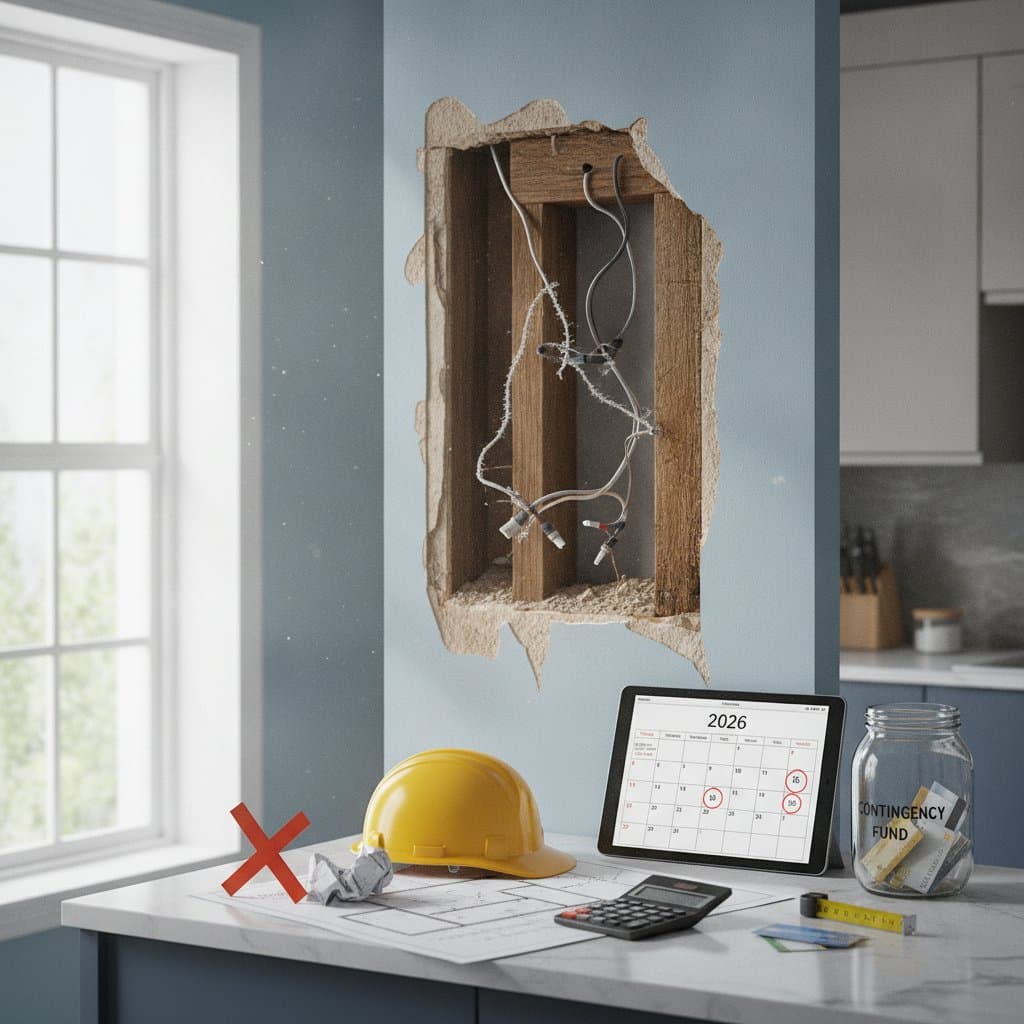
Demolition frequently reveals underlying problems such as deteriorated wiring, faulty plumbing, or foundation weaknesses. These discoveries demand immediate repairs to meet safety standards and building codes. Costs escalate rapidly when such issues halt work and require specialized contractors.
What to do:
Allocate a contingency fund of 10 to 20 percent of the total budget for unforeseen structural needs. Engage a professional inspector before demolition begins to identify potential issues. Include provisions in the contract for handling discoveries, specifying approval processes for additional work.
2. Permits and Inspections
Homeowners often overlook permit expenses, which differ based on project scope and jurisdiction. Evolving local codes may necessitate further paperwork or repeated inspections, increasing both time and financial demands.
What to do:
Consult the local building authority prior to commencement to verify required permits. Request that the contractor detail all related fees in the initial estimate, covering possibilities like re-inspections or design alterations. This foresight avoids urgent rushes and project interruptions.
3. Design Changes and Scope Adjustments
Mid-project alterations to original plans, driven by new preferences or site realities, introduce substantial costs. Each modification involves labor, materials, and potential delays, compounding expenses beyond initial projections.
What to do:
Finalize all designs and selections well in advance of construction start. Establish a formal change order system in the contract, requiring written approval and cost assessments for any deviations. Review progress regularly with the contractor to curb impulsive decisions.
4. Delivery, Disposal, and Site Preparation Fees
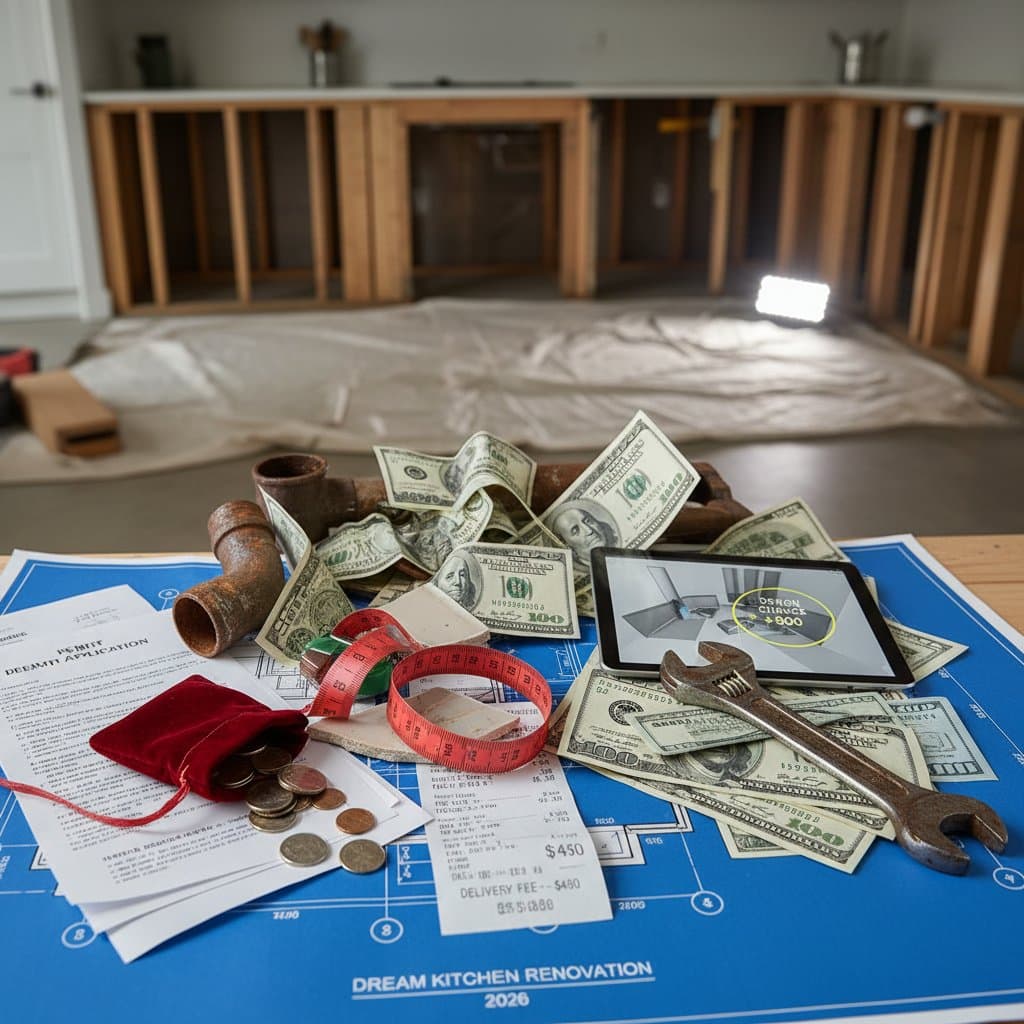
The logistics of transporting materials to the site and removing waste often escape initial budgeting. Charges for delivery, waste disposal, and equipment rentals accumulate swiftly. Suppliers may impose restocking penalties for unused returns.
What to do:
Inquire about delivery policies and return conditions with vendors before placing orders. If managing material procurement independently, synchronize arrivals to minimize storage or handling charges. Clarify debris management responsibilities in the contract and allocate a specific budget line for these logistics.
5. Labor and Scheduling Overruns
Delays from weather, supply shortages, or coordination issues extend labor timelines and inflate costs. Overtime payments or additional crew requirements arise when deadlines slip, straining the overall allocation.
What to do:
Develop a detailed project timeline with milestones and incorporate clauses for delay penalties. Select contractors with proven track records in timely completions. Monitor progress weekly and address bottlenecks promptly to maintain momentum.
6. Finishing Touches and Minor Details
After core construction concludes, elements like hardware, paint applications, trim work, or enhanced fixtures demand attention. These components, though small in scale, influence the aesthetic outcome and frequently exceed estimates.
What to do:
Set aside a dedicated allowance for finishing elements, allowing room for adjustments. Prioritize essential features that align with personal style, then select economical alternatives for secondary items. This method ensures an appealing result without overspending.
Securing Your Renovation Budget
Home transformations involve inevitable adaptations, yet proactive planning transforms challenges into manageable steps. Treat the budget as an evolving framework that accommodates project developments. Maintain consistent dialogue with the contractor and document all modifications in writing.
Anticipating concealed costs fosters resilience against disruptions. Homeowners gain assurance, leading to a rewarding process and a refined living space. Through deliberate preparation and this checklist, projects proceed efficiently, delivering lasting value with each strategic choice.