
Why Bathroom Remodels Cost More Than Expected
National surveys from organizations like the Home Improvement Research Institute indicate that 62 percent of homeowners spend more than anticipated on bathroom remodels. Bathrooms rank as the second most expensive room to renovate per square foot, behind only kitchens, with costs frequently reaching 40 percent higher than other spaces. This premium stems from technical complexities and financial factors that homeowners encounter during projects.
The following sections examine these cost drivers in detail. Understanding them enables better planning and execution of renovations that align with budgets while delivering lasting value.
Specialized Labor Requirements in Bathroom Renovations
Kitchen remodels may involve general carpentry and finishing tasks, but bathrooms necessitate a coordinated team of experts. Licensed plumbers handle drainage and supply lines, electricians manage wiring for outlets and lighting, tile setters ensure precise installations, and waterproofing specialists apply protective barriers. Each specialist contributes to the overall expense, yet their involvement prevents future complications.
Data from HomeAdvisor's Cost Index reveals that labor constitutes 60 to 70 percent of bathroom renovation expenses. This significant portion reflects the precision demanded in tasks such as testing shower floor slopes and sealing vapor barriers to pass inspections. Marcus Ellison, a senior estimator at BuildRight Construction Consulting, notes, "Bathrooms represent high-liability areas. A leaking plumbing joint or failing waterproof membrane can cause damage exceeding the remodel's total cost. Experienced contractors therefore price projects conservatively."
Even minor upgrades, like recessed lighting or heated flooring, require certified professionals. Attempts to cut labor costs by using unlicensed workers often result in warranty voids or inspection failures, leading to expensive fixes.
Hidden Structural Challenges and Their Impact
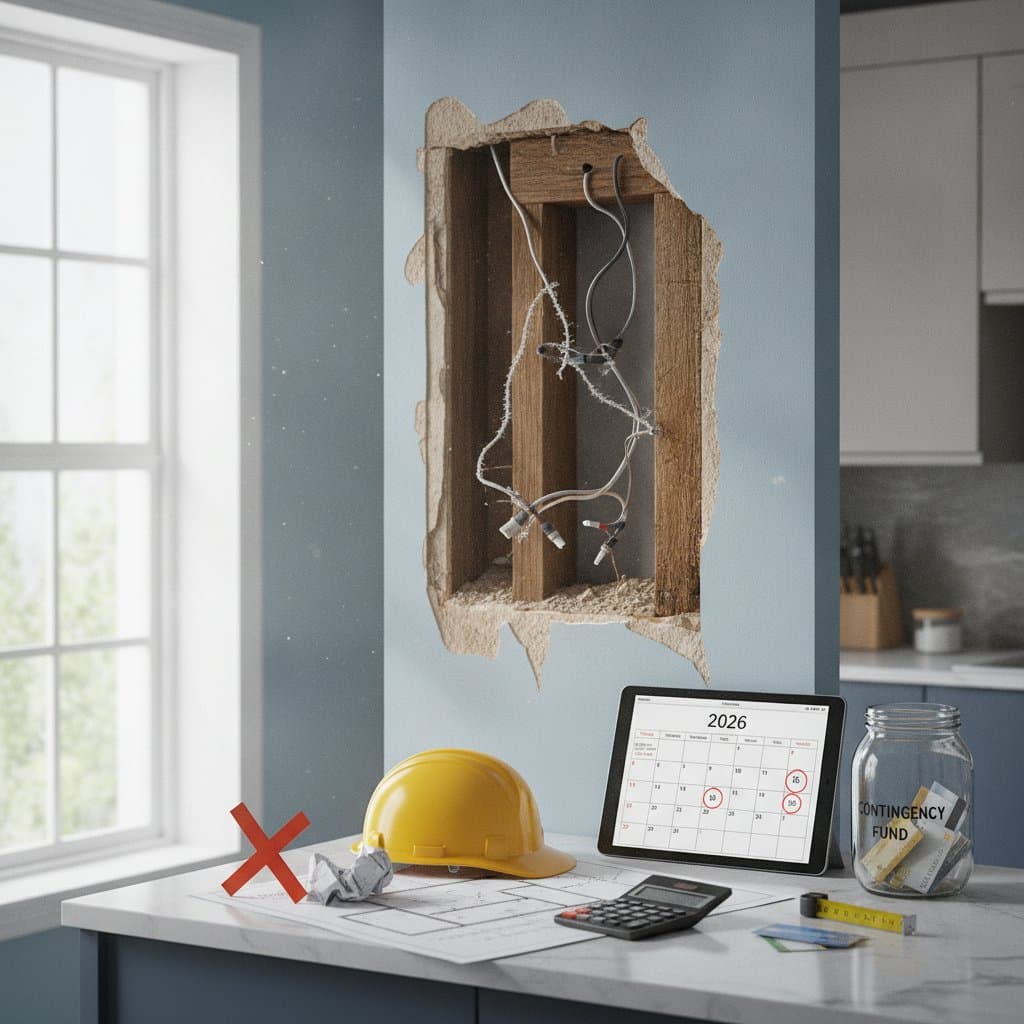
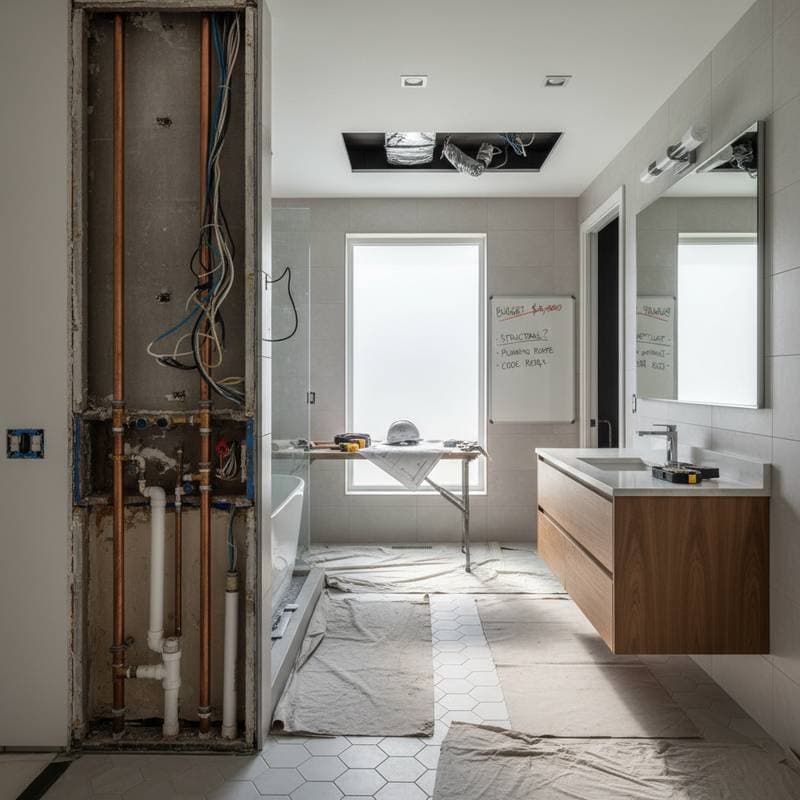
Many bathroom remodels uncover unforeseen issues within walls, floors, or plumbing systems, particularly in older homes. Rot from past leaks, outdated pipes prone to corrosion, or mold growth behind tiles demand immediate attention and add substantial costs. These discoveries typically occur after demolition, when budgets already face pressure.
Addressing structural problems involves reinforcing subfloors, replacing cast-iron drains with modern PVC lines, or installing new joists. Such interventions can increase expenses by 20 to 30 percent. Homeowners benefit from budgeting a 15 to 20 percent contingency fund specifically for these surprises. Early assessments by structural engineers can identify risks, though they add upfront costs that save money long-term.
Material Choices and Building Code Compliance
Bathrooms require moisture-resistant materials that elevate costs beyond standard renovations. Porcelain tiles, acrylic bathtubs, and corrosion-proof fixtures withstand humidity and water exposure, unlike materials used in dry areas. Sourcing these items, especially custom sizes or eco-friendly options, involves higher prices and potential shipping fees.
Strict building codes further drive expenses. Requirements for proper ventilation, GFCI outlets near water sources, and slip-resistant flooring necessitate specific products and installations. Non-compliance risks fines or rework, so contractors incorporate code-mandated features from the outset. For instance, upgrading to low-flow fixtures meets efficiency standards but raises material budgets by 10 to 15 percent.
Strategies to Control Costs Effectively
Overruns occur frequently, but proactive measures limit their extent. Emphasize preparation before construction and maintain open dialogue with your team to stay on track financially.
Consider these steps to minimize risks:
-
Develop a comprehensive scope of work. Obtain a detailed written estimate from your contractor prior to demolition. Include breakdowns for labor, materials, and allowances per trade.
-
Secure materials in advance. Delays from backordered fixtures or unavailable tiles extend labor time and costs. Purchase essentials early to fix prices and timelines.
-
Conduct a pre-demolition inspection. Engage licensed plumbers and electricians to evaluate current systems. Early detection of issues allows budget adjustments without mid-project disruptions.
-
Select mid-range materials thoughtfully. Focus on value engineering to match cost with durability. A well-installed $300 faucet often rivals a $900 model's performance.
-
Minimize layout alterations. Relocating plumbing or walls incurs thousands in additional labor. Preserve the existing footprint where feasible.
-
Record all modifications formally. Insist on written change orders with updated pricing. Avoid verbal agreements to prevent disputes.
Finding and Vetting Qualified Professionals
Choosing reliable experts proves crucial for cost management. Attractive low bids may conceal subpar quality or omitted details that emerge as expensive add-ons later.
To safeguard your budget:
- Confirm licenses and insurance coverage for all involved trades.
- Request references from recent bathroom projects.
- Inspect completed work for waterproofing integrity and tile precision, beyond surface aesthetics.
- Secure contracts outlining materials, brands, and warranties.
Associations like the National Association of Home Builders and the National Kitchen and Bath Association offer directories of vetted specialists. Many professionals provide free pre-construction consultations to clarify budgets before full agreements. Ellison emphasizes, "A reputable contractor welcomes in-depth inquiries. Clear cost breakdowns signal professionalism; reluctance to detail expenses raises concerns."
Regional Variations in Remodeling Expenses
Location significantly affects bathroom remodel pricing. Urban areas with elevated labor rates and rigorous codes often see costs double those in rural settings. Plumbing services in coastal cities may charge over $150 per hour, compared to $90 in smaller towns.
Material access varies too. Specialty tiles or fixtures might face extended delivery in remote areas, incurring storage or transport fees. Local permits, inspection timelines, and regulations, such as seismic reinforcements in earthquake-prone zones, add layers of expense.
Always seek region-specific quotes instead of national figures. Carlos Valdez, a regional project manager, observes, "Markets operate on unique economic patterns. A feasible plan in one location may prove unworkable elsewhere. Savvy homeowners base budgets on local insights, not general online estimates."
The Lasting Benefits of Quality Investments
Investing more initially in a bathroom remodel often yields savings over time. Robust waterproofing, resilient finishes, and premium fixtures avert repairs that surpass short-term economies.
The Remodeling Impact Report shows that superior bathroom updates recoup about 60 percent of costs upon home sale, while inferior work diminishes property appeal. Prospective buyers detect flaws like misaligned tiles, cheap hardware, or inadequate airflow, which can lower offers. Prioritizing durability enhances functionality, comfort, and resale potential.
Constructing a Solid Budget for Your Remodel
A well-structured budget forms the foundation of a successful bathroom renovation. Start by calculating square footage costs using local averages, then allocate portions: 40 percent for labor, 30 percent for materials, 15 percent for fixtures, and 15 percent for contingencies.
Factor in permits, which range from $200 to $1,000 depending on scope. Track expenses with spreadsheets or apps to monitor progress. Consult multiple contractors for competitive bids, but prioritize experience over the lowest price.
This approach ensures your remodel delivers a functional, attractive space without financial strain. By anticipating challenges and valuing expertise, homeowners achieve renovations that enhance daily life and home equity.