Hidden Costs That Derail 2026 Remodel Budgets
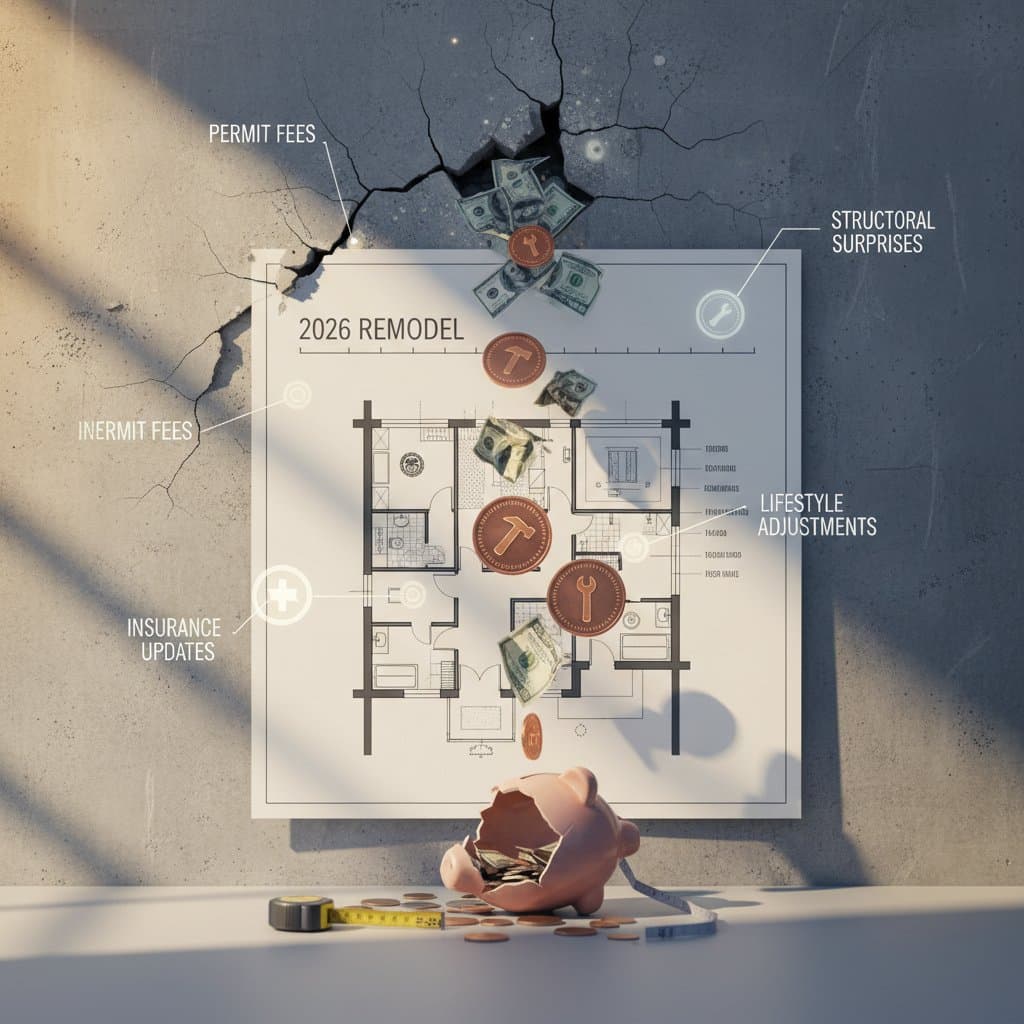
You begin with a detailed plan. Perhaps it involves a new kitchen featuring sleek countertops and enhanced storage, or a bathroom designed to evoke a spa-like retreat. You invest hours comparing materials, obtaining quotes, and establishing a firm budget figure. The process appears controlled until invoices arrive and reveal unexpected shifts in costs. Hidden expenses can erode even the most meticulously prepared budget.
Remodeling generates excitement, yet it often reveals surprises when walls open or plans encounter reality. Awareness of common sources of unexpected expenses enables better preparation and helps maintain project momentum.
1. Structural Surprises Behind the Walls
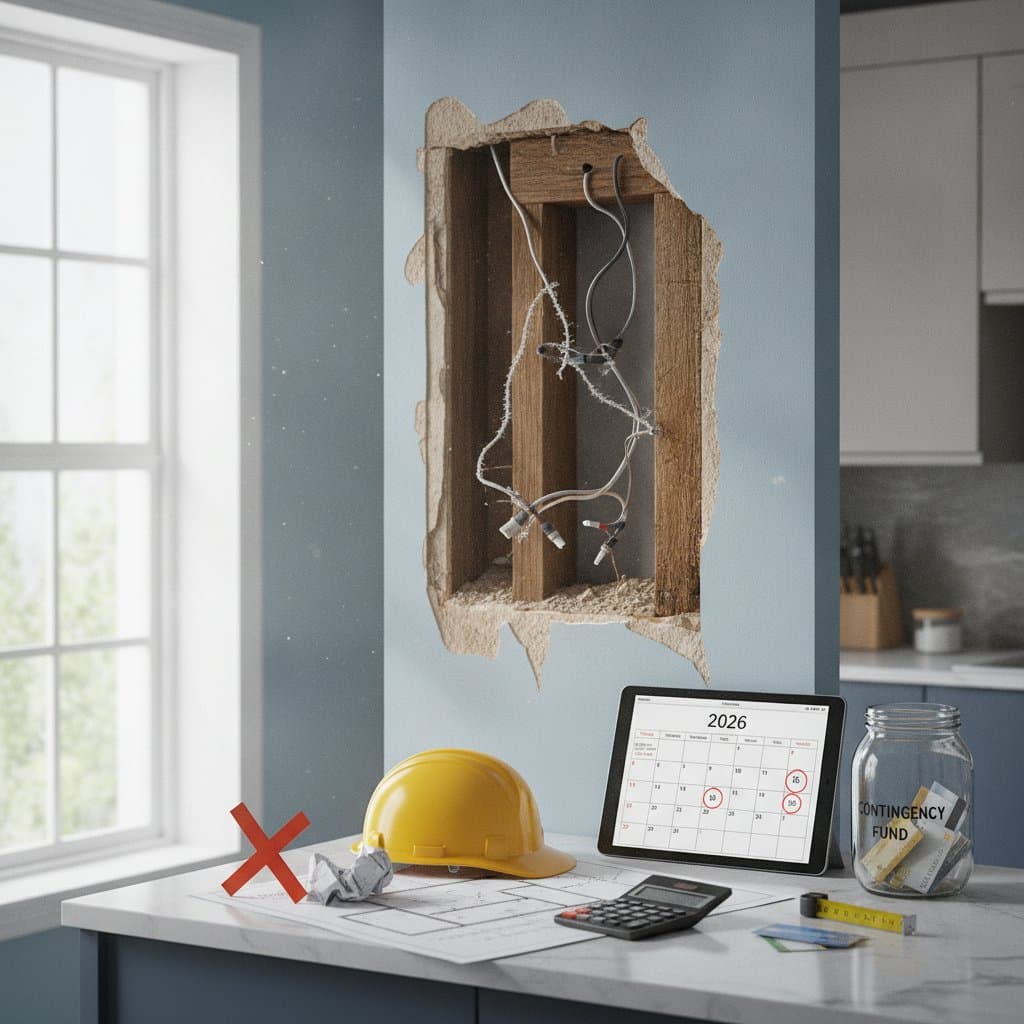
The most frequent budget overruns lurk in unseen areas. Demolition frequently exposes issues such as rotted wood, outdated wiring, or uneven subflooring. These problems require resolution before new construction proceeds.
Consider older homes or long-unused spaces carefully. Concealed water damage, termite infestations, or foundation settling can escalate expenses rapidly. Allocate ten to fifteen percent of the total budget as a contingency reserve. This fund proves valuable; unused portions can enhance final details.
2. Permit and Inspection Fees
Homeowners often overlook the necessity of local permits for various remodeling tasks. Electrical rewiring, structural modifications, plumbing alterations, or additions of new square footage demand official approval. Fees differ by location and project scale, accumulating swiftly.
Verify requirements prior to starting work. Some contractors incorporate permit costs into estimates, while others exclude them. Inquire explicitly to avoid later surprises. Bypassing permits may appear cost-saving, but it risks fines or mandatory rework. Proactive steps preserve funds and reduce complications.
3. Delivery, Storage, and Disposal Costs
Visualizing a remodel typically focuses on the end result, not the supporting logistics. Delivery, storage, and disposal charges can accumulate to hundreds or thousands of dollars.
Large elements like cabinetry, tile, and appliances necessitate specialized transport or temporary holding. Extended project timelines may incur costs for rented containers or warehouse space. Disposal of old flooring, drywall, and debris adds further expenses, often absent from initial bids. Request details from your contractor on waste management and confirm inclusion in the contract.
4. Design Changes and Scope Creep
Even resolute homeowners encounter the temptation to alter plans during execution. A newly discovered tile design or an enlarged kitchen island may inspire modifications. Such adjustments cascade into additional materials, labor, and timeline extensions, transforming minor tweaks into significant financial impacts.
Finalize selections for finishes, fixtures, and layouts before construction commences. For any necessary changes, obtain a written change order specifying added costs and schedule adjustments. This practice ensures transparency and eliminates disputes.
5. Upgraded Materials and Finishes
Budgets frequently initiate with mid-range options, yet showroom visits can allure toward premium choices. Enhanced durability in countertops, superior hardware, or bespoke cabinetry seems minor until totals mount.
Identify priority features early. Invest more in long-lasting flooring while economizing on easily replaceable lighting. This strategy directs resources to elements that maximize functionality and aesthetic appeal.
6. Utility Upgrades and Hidden Infrastructure Costs
Remodeling commonly reveals outdated electrical, plumbing, or HVAC systems requiring updates to comply with codes. A kitchen project might demand extra outlets or upgraded circuits. Bathroom expansions could necessitate larger water lines or improved venting. These enhancements ensure safety and efficiency, though they remain invisible in the completed area.
Request a dedicated line item in estimates for potential infrastructure work. A clear understanding of possible needs facilitates planning without disrupting the primary budget.
7. Temporary Living and Lifestyle Costs
A kitchen remodel may increase reliance on restaurant meals. Extensive renovations could require temporary relocation or family stays. These routine disruptions can burden finances without prior accounting.
Assess impacts on daily life during construction. Reserve funds for dining, storage solutions, or interim housing. Preparation eases transitions and maintains composure.
8. Contractor Availability and Delays
Well-scheduled remodels face interruptions from weather, supply shortages, or coordination issues. Prolonged durations elevate labor charges and may introduce rental or interest costs.
Select contractors who offer precise timelines and consistent updates. Incorporate schedule buffers and modest budget cushions. Effective communication and foresight transform potential setbacks into manageable aspects.
9. Decor and Furnishings After the Remodel
Post-construction, existing furniture and decor may clash with updated spaces. A refreshed kitchen might require new bar stools or fixtures. A renovated bathroom could benefit from updated mirrors or linens. These completions accumulate expenses if unbudgeted.
Designate a portion for styling enhancements. Strategic additions foster cohesion and satisfaction, avoiding last-minute financial pressure.
10. Insurance and Liability Considerations
Certain remodels necessitate homeowner's policy adjustments, particularly for expansions or structural work. Construction phases may require supplemental coverage against incidents or damage. Verify contractor insurance as well.
Contact your insurer before commencement to review details. This precaution averts substantial losses from unforeseen events.
Safeguard Your Budget Through Preparation
A remodel represents a valuable enhancement to living spaces, yet it requires vigilance and adaptability. Anticipate challenges by establishing a contingency fund, scrutinizing contracts, and posing thorough questions prior to commitments. Maintain ongoing dialogue with contractors and designers, while periodically reviewing budget progress.
Approach the project as an enriching investment rather than a worry. Foreknowledge of hidden costs empowers informed choices, ensuring financial stability and enjoyable outcomes.