2026 Remodel: Hidden Costs You Cannot Ignore
Imagine the excitement of transforming your home with polished wood floors, gleaming kitchen counters, and fresh paint that revitalizes every space. This vision drives many homeowners to start a remodel project. However, surprises often emerge that challenge even the most detailed budgets.
Hidden costs appear when walls open, pipes expose, or designs evolve. These expenses catch many off guard. With careful planning, homeowners can anticipate and control them to ensure the project remains on track and within financial limits.
The following sections outline common hidden costs in remodeling projects. Each includes practical strategies to mitigate risks and maintain progress.
1. Structural Issues Revealed During Demolition
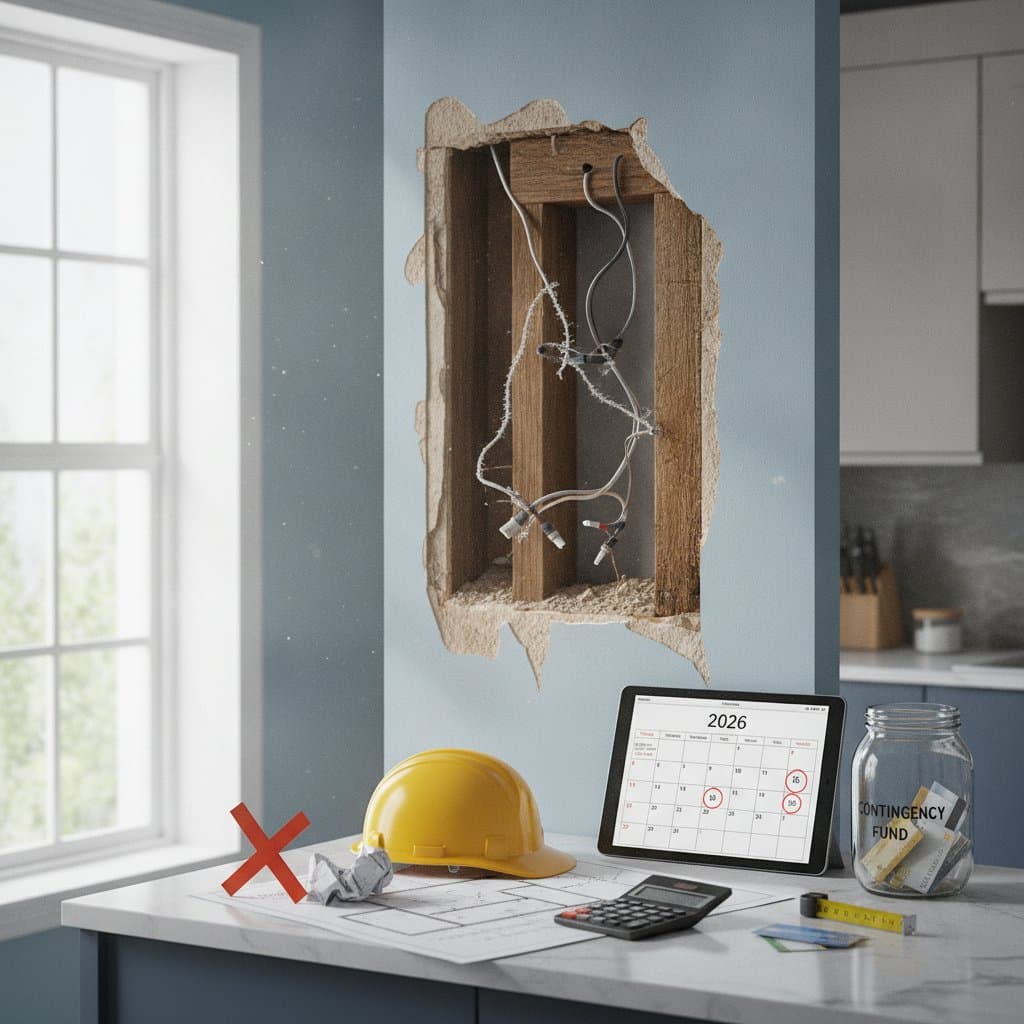
Demolition frequently uncovers concealed problems such as termite damage, outdated wiring, or rotted framing. These issues exist in both older and newer homes, remaining invisible until surfaces remove. Addressing them promptly prevents larger complications later.
Allocate a contingency fund of ten to fifteen percent of the total budget for such discoveries. This reserve provides flexibility without interrupting the workflow. Consider hiring a licensed structural engineer for a pre-remodel inspection to identify potential weak points, moisture intrusion, or prior repairs that could escalate expenses.
Schedule this evaluation early to integrate findings into the initial plan. Such proactive steps often save thousands in corrective work.
2. Essential Electrical and Plumbing Updates
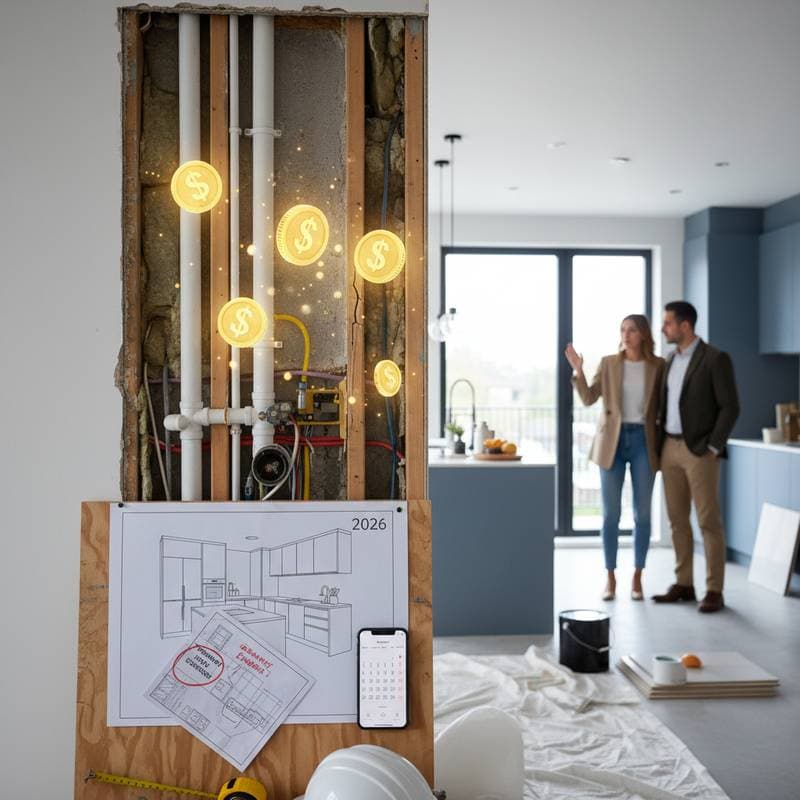
Ensuring electrical and plumbing systems meet current codes delivers long-term safety and reliability. These elements hide within walls, surfacing only during inspections or failures. Overlooking them risks project delays and additional rework.
In older properties, upgrades might involve replacing wiring, adding outlets, or installing new circuit panels to accommodate contemporary appliances. Plumbing systems with outdated materials, such as galvanized pipes, may require full replacement to prevent leaks and corrosion.
Obtain itemized quotes from licensed electricians and plumbers that detail materials, labor, and potential complications. Build in a buffer for surprises once walls open. Coordinate these upgrades with the overall timeline to minimize disruptions.
3. Permits, Inspections, and Associated Fees
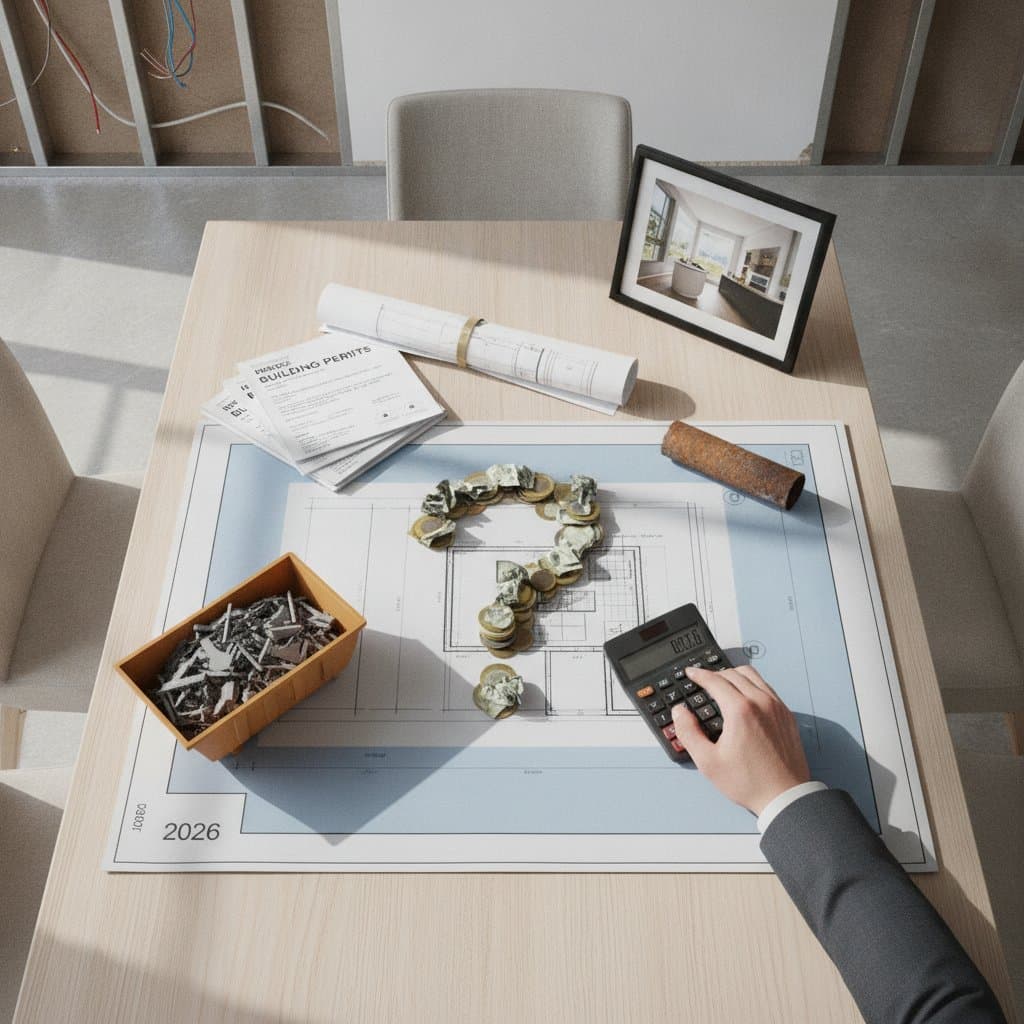
Local regulations mandate permits for most remodeling work, with costs varying by project scope and location. Inspections occur at key stages, including framing, electrical, and final approval. Failing to account for these leads to fines or work stoppages.
Even modest renovations, like relocating walls or altering plumbing, demand multiple permits. Approval delays extend timelines and increase labor charges. Contact the local building department early to clarify requirements and timelines.
Verify that your contractor's estimate covers permit fees and provides proof of compliance. This transparency avoids unexpected charges and ensures smooth progression.
4. Mid-Project Design Modifications
Homeowners often request changes once construction advances, such as selecting different tiles or enlarging a feature. These alterations seem minor but cascade into extra materials, labor, and adjustments elsewhere. Unmanaged revisions erode budget margins.
Finalize designs before breaking ground, including selections for finishes, fixtures, and dimensions. Collaborate with designers to review samples or digital mock-ups for uncertain elements. This preparation reduces the impulse for on-site decisions.
For any necessary changes, insist on a written change order that specifies impacts on cost and schedule. Review these documents thoroughly to align adjustments with project goals.
5. Debris Disposal and Site Cleanup
Construction generates substantial waste, from demolished materials to packaging and leftovers. Many assume contractors handle cleanup within their bids, yet separate fees for dumping, rentals, and hazardous waste disposal frequently apply.
Specialized handling proves necessary for items like adhesives, paints, or insulation, raising overall expenses. Discuss waste management protocols with your contractor upfront, including responsibilities and cost inclusions.
Explore local recycling options or donation programs for reusable items like cabinets or fixtures. These alternatives lower disposal costs while supporting environmental efforts.
6. Costs of Temporary Relocation and Living Adjustments
Extensive remodels render key areas uninhabitable for extended periods, prompting needs for alternative meals, lodging, or workspaces. Kitchen or bathroom overhauls often necessitate such shifts, inflating daily expenses.
Assess which home sections stay functional and plan accordingly. Install a provisional kitchen setup with essentials like a microwave and compact fridge to minimize reliance on external options. For bathrooms, phase work to preserve at least one operational unit.
Implement dust barriers and noise controls to make on-site living feasible. These measures enhance comfort and curb additional spending.
7. Fluctuations in Material Pricing
Building material costs, including lumber, tiles, and fixtures, fluctuate based on market conditions and supply chains. Projects spanning months expose budgets to these shifts, potentially exceeding original estimates.
Secure pricing commitments from suppliers or purchase key items early. Arrange secure storage solutions, such as on-site protection or rented units, to safeguard materials until needed.
When evaluating options, prioritize durable, versatile choices that balance quality and affordability. Consult contractors on bulk purchasing or alternative sources to stabilize expenses.
8. Overlooked Finishing Elements
The final phases involve hardware, trim, paint corrections, and accents that unify the design. These details accumulate costs if not budgeted separately, yet they define the project's polish.
Dedicate five to ten percent of the budget to these elements. Select items methodically, focusing on how each contributes to cohesion and functionality.
Test samples in the actual space to confirm compatibility with lighting and surroundings. Thoughtful choices here elevate the outcome without proportional expense increases.
Sustaining Your Remodel's Long-Term Value
With completion, the transformed spaces reflect personal vision and enhance daily life. A renovated kitchen streamlines routines, while an updated living area fosters gatherings.
Maintain detailed records of all work, including invoices, warranties, and inspection results. This archive aids future repairs and boosts property appeal for resale.
Perform routine checks on seals, surfaces, and systems to preempt issues. Schedule professional reviews for electrical and plumbing components annually.
Approach the project with realistic planning to navigate challenges effectively. Clear communication with professionals ensures the result aligns with expectations, delivering enduring satisfaction.