
Avoid Hidden Remodel Costs in Your 2026 Budget
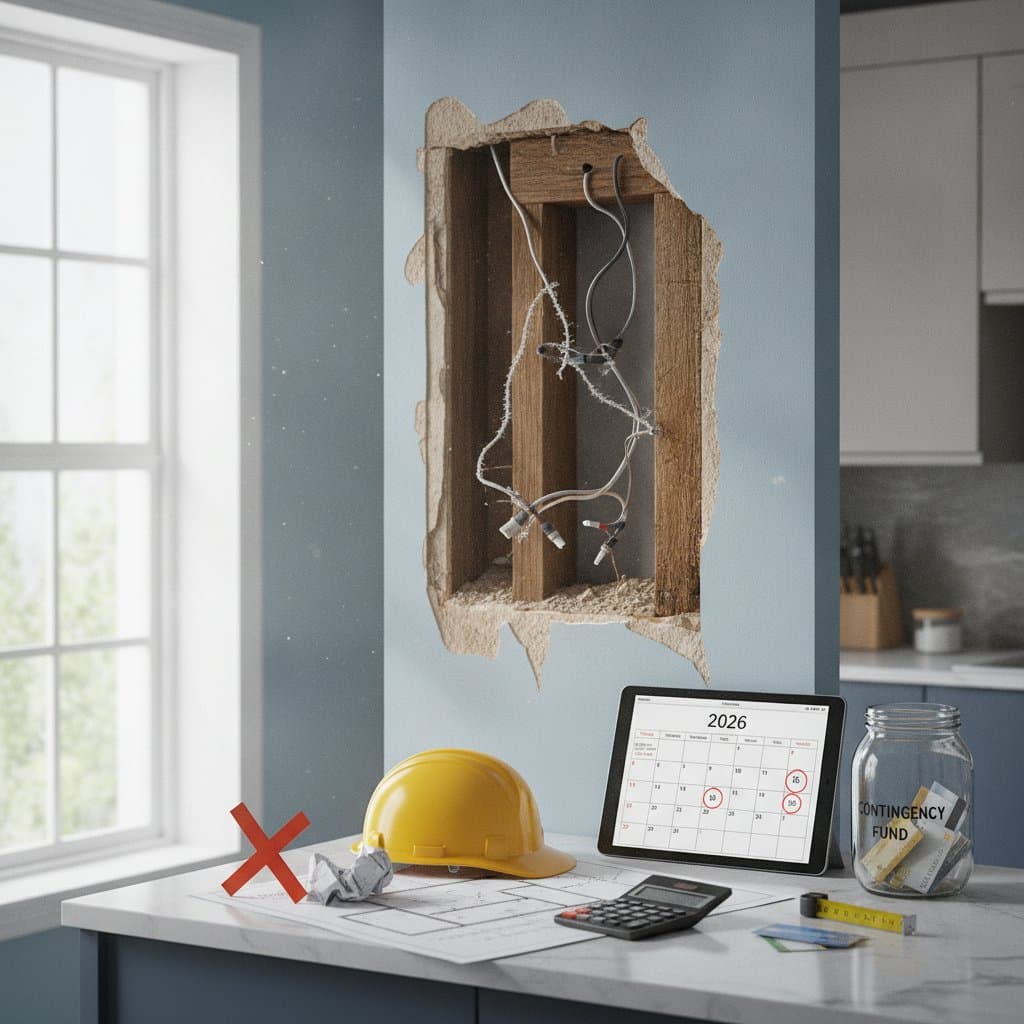
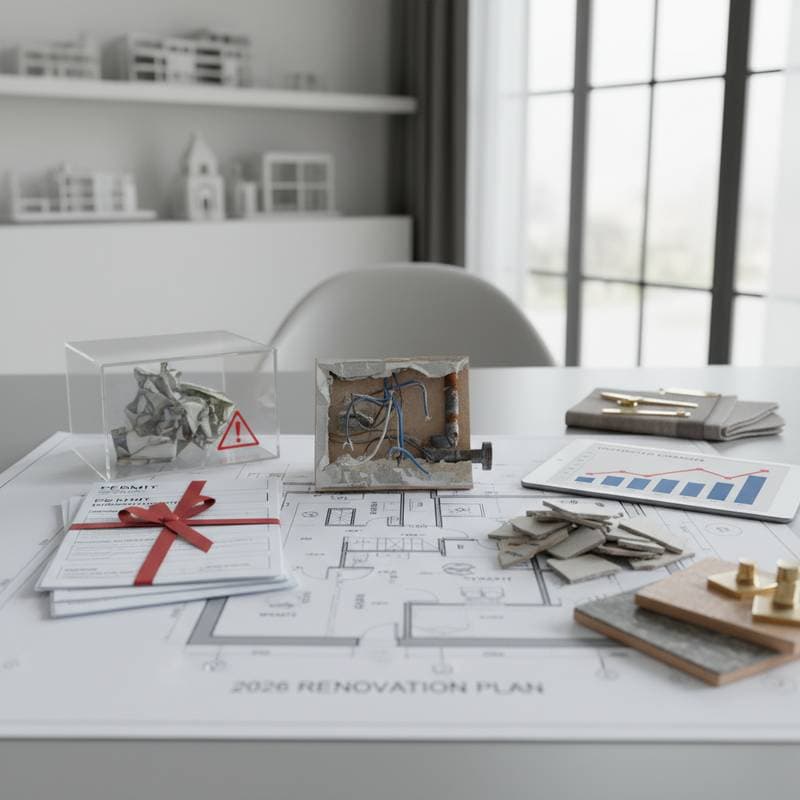
Examine any remodeled home, and the outcomes vary widely. Certain projects exhibit polished functionality, while others appear incomplete or overburdened. The key distinction lies in thorough planning. Effective renovations adhere to principles that manage expenses and minimize unforeseen issues. Remodeling involves more than selecting finishes or configurations; it demands foresight into elements concealed within walls, beneath floors, and embedded in agreements.
Through years of collaboration with homeowners, patterns emerge where concealed expenses erode budgets silently. The encouraging aspect is that these expenses prove foreseeable with targeted knowledge. The following five strategies equip you to detect and avert prevalent financial hazards in remodeling. Each strategy integrates construction fundamentals with homeowner perspectives, enabling confident project orchestration.
1. Budget for Code Compliance and Permits
Problem: Homeowners frequently undervalue the expense of updating legacy systems to meet contemporary building codes. Structures that previously satisfied inspections might now violate regulations.
Context: Consider a bathroom renovation that appeared uncomplicated. Upon accessing the walls, inadequate venting emerged, noncompliant with current plumbing norms. Remediation involved installing fresh vent stacks and roof openings, extending the timeline by weeks and inflating costs by thousands.
Solution: Prior to approving designs, consult your local building authority to verify code stipulations. Inquire about electrical capacity assessments, insulation ratings, and escape window specifications. Allocate funds for permit applications, design evaluations, and potential revisions.
Technical Detail: Permit expenses generally constitute one to three percent of the overall project valuation. Modern energy standards mandate enhanced building seals, necessitating provisions for airtightness measures and airflow diagnostics where relevant.
Benefit: Compliance with codes prevents penalties and interruptions, while enhancing safety and market appeal. Proactive preparation sustains timelines and preserves fiscal stability.
2. Respect the Complexity of Utility Relocation
Problem: Decisions to reposition plumbing elements or electrical setups during the design phase often overlook associated financial burdens.
Context: Shifting a kitchen sink to another wall position might appear straightforward, but it demands new drainage conduits, ventilation adjustments, and subfloor excavations. Repositioning an electrical panel or heating system could necessitate comprehensive rewiring or conduit reconfiguration.
Solution: Retain essential utilities near their initial placements to curb expenses. When alterations prove necessary, incorporate them at the outset to facilitate coordinated pathways among specialists.
Technical Detail: Plumbing installations favor proximity to established stacks to minimize extensive subfloor disruptions. Electrical professionals bill per circuit, so each shifted device incurs additional supplies and effort. Heating conduits might require diameter adjustments if ventilation routes alter.
Benefit: Judicious layout decisions preserve adaptability while stabilizing mechanical outlays. Enhanced performance follows without abrupt financial demands.
3. Anticipate Finish-Level Upgrades
Problem: Alterations to selections during execution devastate budgets. Enthusiasm for premium materials upon firsthand viewing leads to escalations that propagate across the scope.
Context: A project commenced with basic cabinetry and synthetic surfaces. Exposure to display areas prompted a pivot to bespoke timber units and stone countertops, effectively doubling the materials allocation.
Solution: Lock in material choices prior to commencement. Engage showrooms alongside your designer promptly, securing comprehensive estimates that encompass transport and assembly. Evaluate upkeep requirements within your criteria.
Technical Detail: Bespoke cabinetry commands two to three times the price of prefabricated options. Surface costs fluctuate with substance weight and dimensions. Account for processing, border treatments, and adjacent integrations.
Benefit: Premature decisions curb impulsive expenditures. Alignment with fiscal limits persists, yielding selections suited to daily use and care routines.
4. Understand Contractor Payment Schedules and Change Orders
Problem: Lack of clarity on billing practices induces liquidity pressures. Expectations of terminal payments ignore the reality of incremental disbursements linked to advancement benchmarks.
Context: One homeowner delayed compensation until fixture placement, overlooking prior obligations for supply advances. This action postponed arrivals and eroded professional rapport.
Solution: Scrutinize the disbursement timeline before commitment. Align payments with achieved stages, including structural work, preliminary installations, and concluding touches. Mandate documented amendments for any deviations in scope.
Technical Detail: Conventional agreements retain ten percent until finalization. Amendments detail updated workforce, supplies, and scheduling shifts. Eschew oral consents that foster ambiguity.
Benefit: Transparent frameworks ensure mutual responsibility. Fiscal oversight strengthens, diminishing conflicts that impede advancement.
5. Plan for Long-Term Maintenance and Future Access
Problem: Emphasis on visual appeal neglects servicing logistics for embedded systems. Concealed entryways or enclosed spaces precipitate elevated repair expenditures later.
Context: Enclosing a water control behind fresh tiling necessitated structural removal for routine upkeep. Such minor lapses engender substantial ongoing challenges.
Solution: In the planning stage, pinpoint all maintenance nodes. Incorporate reachable panels for controls, wiring hubs, and apparatus. Employ detachable moldings or secure fastenings where observation aids utility.
Technical Detail: Entry panels require minimum dimensions of twelve inches per side for controls and boxes. Position them away from immovable fixtures. Collaborate with specialists to record placements pre-wall finishing.
Benefit: Thoughtful accessibility simplifies and economizes servicing. It mitigates collateral impacts from subsequent modifications or fixes.
Secure Your Renovation's Future
Integrating these strategies transforms potential pitfalls into managed elements of your project. By addressing concealed costs proactively, you foster a renovation that endures both financially and functionally. Approach your 2026 remodel with this framework, and witness the difference in outcomes that prioritize foresight over reaction.