
Hidden Costs That Ruin Kitchen Remodels
Recent data from leading design platforms indicates that kitchen remodels rank among the most popular home improvement projects, with high rates of saves and shares online. However, beneath the appeal of sleek quartz countertops and bespoke cabinetry, many homeowners encounter unforeseen expenses that escalate budgets significantly. These hidden costs frequently cause projects to halt prematurely or conclude with design compromises that undermine the initial intent. This guide identifies common sources of these expenses, explains their origins, and provides strategies to safeguard your budget from the outset of your remodel.
As a designer residing in a historic home featuring a kitchen with its original flooring intact, the author understands that even modest updates can reveal substantial challenges. Structural anomalies and necessary code updates represent the most concealed yet costly elements in any renovation.
1. Structural Surprises
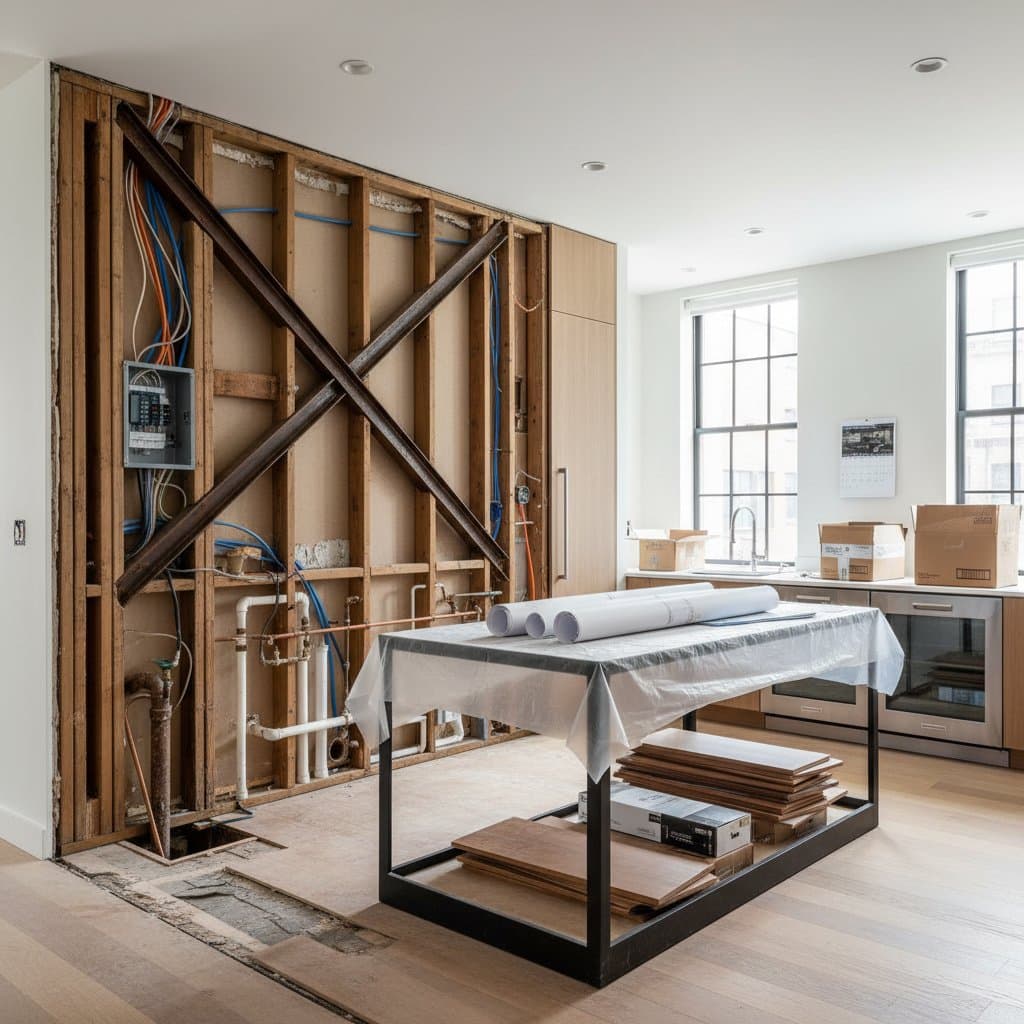
Significant budget increases often originate from discoveries made during demolition. Consider a Boston homeowner who engaged Studio E Design to eliminate a partition wall separating the kitchen from the dining area. Upon removal, the team identified that the wall bore the load of a primary beam, necessitating the installation of a steel reinforcement and subsequent re-engineering of the support system. An anticipated brief demolition phase extended into a full week of structural modifications.
Materials Involved: Steel beam and engineered lumber.
Design Approach: The professionals retained the open-concept layout while incorporating a discreet ceiling soffit to conceal the additional support.
Practical Advantages: This solution maintained optimal natural light flow and enhanced visual connectivity throughout the space.
Aesthetic Outcome: The finished design conveyed an airy quality, although the modifications increased the total cost by thousands of dollars.
To mitigate such risks, conduct a preliminary structural assessment with a licensed engineer before finalizing your layout plans.
2. Electrical Upgrades
Contemporary kitchens require robust electrical systems, which older homes seldom provide. Hudson + Reed Interiors addressed this during a compact apartment kitchen renovation in Chicago. The project seemed routine until evaluation revealed that the existing electrical panel could not accommodate the demands of a new induction cooktop and under-cabinet lighting fixtures.
Materials Involved: Copper wiring and matte black switch plates.
Design Approach: Circuit upgrades enabled the integration of multi-layered lighting and energy-efficient appliances.
Practical Advantages: Enhanced safety through reduced overload risks and reliable performance.
Aesthetic Outcome: Unobstructed views, uniform lighting, and a precise modern appearance.
Electrical components demand attention despite their invisibility; they form a critical foundation for functionality. Inspect your current setup thoroughly and consult an electrician early to identify capacity limitations and plan accordingly.
3. Plumbing Relocation
Shifting a sink or dishwasher by mere inches can introduce substantial expenses. Kara Blake Studio managed such a scenario in a coastal Maine project, where repositioning the sink toward a window exposed and disintegrated old cast-iron pipes.
Materials Involved: PEX tubing and brushed nickel fixtures.
Design Approach: The revised configuration established a direct garden view and optimized task zone efficiency.
Practical Advantages: Superior ergonomics and increased natural illumination at the workstation.
Aesthetic Outcome: A luminous, focal point that transformed routine chores into more enjoyable tasks.
Accessing decayed plumbing beneath the subfloor drove up the expenses in this case. For any water line alterations, hire a plumber to map existing infrastructure and anticipate potential deterioration before commencing work.
4. Appliance Installation
Appliance pricing appears straightforward until the fitting stage arrives. A client in Austin collaborated with MillerCraft Kitchens to incorporate a wall oven and built-in refrigerator, only to find that both necessitated custom cabinet alterations and dedicated electrical circuits.
Materials Involved: Integrated stainless-steel refrigerator and walnut veneer cabinetry.
Design Approach: Flush installation produced a streamlined, furniture-integrated look.
Practical Advantages: Optimized vertical space utilization and effortless maintenance.
Aesthetic Outcome: A sophisticated, upscale kitchen ambiance achieved through precise adaptations, albeit at higher labor costs.
Manufacturer specifications differ widely, and small variances can disrupt cabinetry. Cross-check all dimensions against your cabinet drawings prior to procurement to avoid expensive on-site adjustments.
5. Ventilation and Code Compliance
Aging residences frequently omit adequate ductwork for advanced range hoods. Design Haus Collective navigated this challenge in a Brooklyn brownstone renovation, where routing the new vent demanded ceiling penetration and HVAC line reconfiguration.
Materials Involved: Stainless-steel hood and flexible aluminum ducting.
Design Approach: Concealment via a narrow soffit that also served as a lighting recess.
Practical Advantages: Superior indoor air quality and minimized cooking residue.
Aesthetic Outcome: An elegant architectural element providing soft illumination along the range area.
Regulatory permits and adherence to codes amplify these costs. Engage your local building authority early to review ventilation mandates and incorporate them into your initial budget projections.
6. Flooring Transitions
Replacing kitchen flooring seldom accounts for subfloor preparation or seamless integration with neighboring areas. Linden & Co. Interiors addressed this during wide-plank oak installation in a San Francisco kitchen adjoining original hallway tile.
Materials Involved: White oak planks and a natural oak threshold.
Design Approach: Application of leveling compound paired with a bespoke transition strip for fluid continuity.
Practical Advantages: Removal of hazards and bolstered longevity.
Aesthetic Outcome: An integrated flooring plane that expanded the perceived kitchen dimensions.
Additional labor and supplies proved essential here; neglecting them would result in unsightly seams and instability. Survey all adjacent surfaces and prepare a detailed transition plan during the design phase.
7. Delivery Delays and Storage
Timely material orders do not guarantee prompt arrival, and subsequent delays incur fees for storage or labor rescheduling. Brightline Design Group managed custom cabinets and countertop slabs in a suburban project that languished in storage for weeks due to shipping setbacks.
Materials Involved: Painted maple cabinets and quartz surfaces.
Design Approach: Organized off-site staging to protect material integrity amid the wait.
Practical Advantages: Avoidance of on-site harm and sustained project order.
Aesthetic Outcome: Impeccable placement upon eventual delivery.
Such disruptions catch many off guard; build contingency funds for holding costs and select suppliers with proven reliability records.
8. Permit Fees and Inspections
Local permits often escape initial estimates yet fluctuate based on project scale. Comprehensive remodels affecting plumbing and electrical systems invite numerous inspections. Urban Nest Design finalized a urban kitchen requiring distinct permits for framing, electrical, and ventilation components.
Materials Involved: Porcelain backsplash tile and satin brass hardware.
Design Approach: Comprehensive blueprints accelerated the approval process.
Practical Advantages: Guaranteed regulatory adherence and structural integrity.
Aesthetic Outcome: A seamless final product, despite the administrative hurdles.
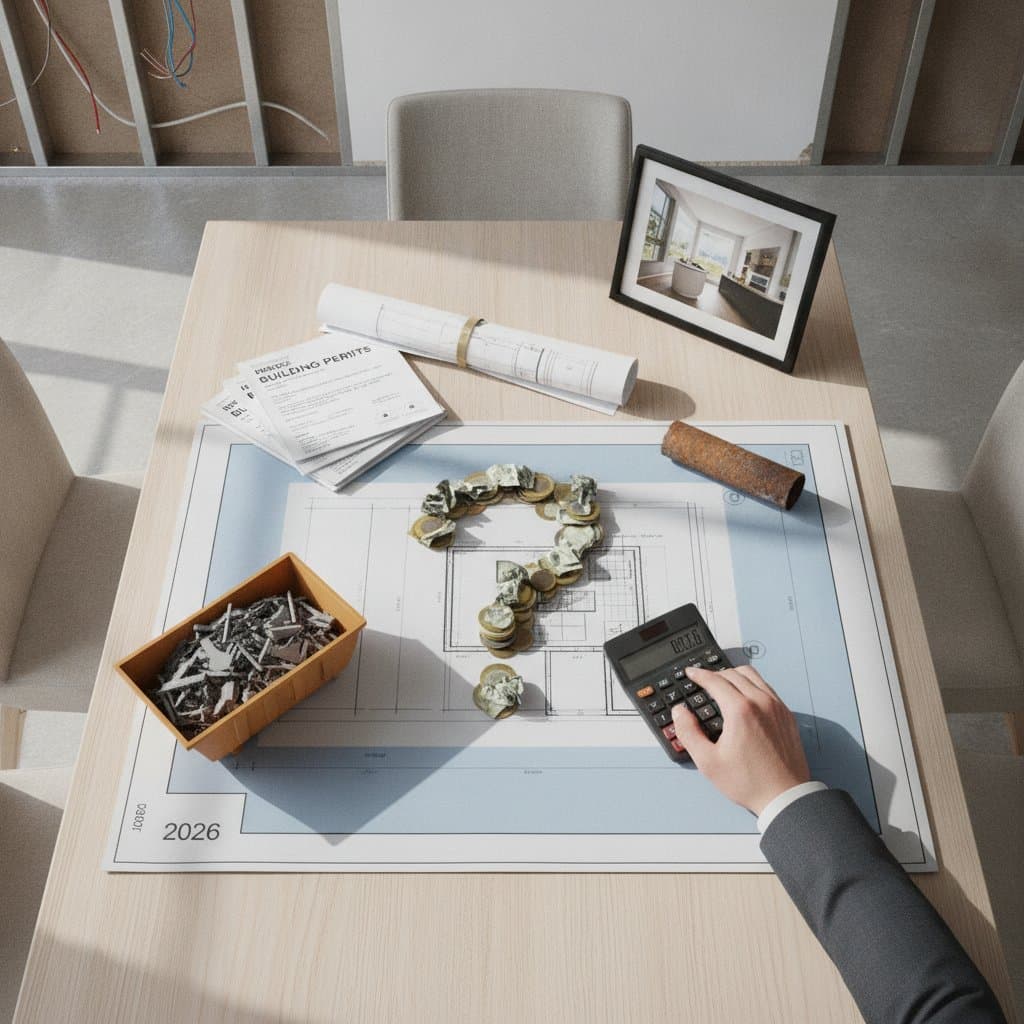
Research jurisdiction-specific fees upfront and allocate time for multiple reviews to prevent timeline disruptions.
Strategies to Secure Your Remodel Budget
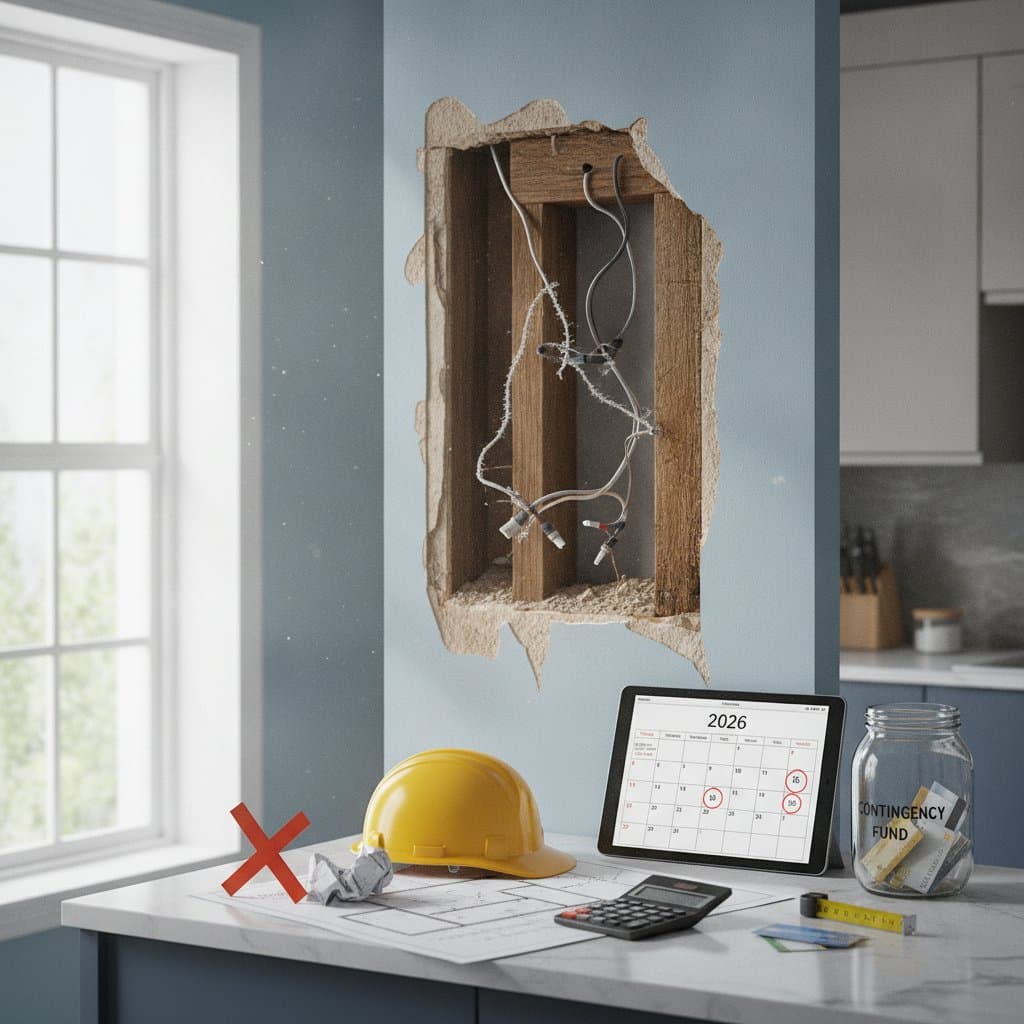
Anticipating hidden costs transforms potential pitfalls into manageable elements of your kitchen renovation. Prioritize professional consultations across structural, electrical, and plumbing domains from the planning stage. Verify all specifications meticulously and maintain a buffer of at least 15 to 20 percent in your budget for contingencies. With these measures, your 2026 kitchen will emerge not only as a stunning centerpiece but also as a testament to prudent foresight and enduring value.