2026 Remodel Pitfalls: Hidden Costs That Wreck Budgets
Recent data from leading renovation platforms indicates a steep rise in homeowner budget overruns for remodeling projects. Nearly half of completed remodels exceed original estimates because of concealed expenses that emerge during the work. This pattern follows a common narrative: an exciting transformation project turns into a costly surprise. This article examines the hidden costs that drain renovation budgets and provides strategies to maintain financial control.
As a design writer who once transformed a tiny kitchen into a family gathering space through hands-on work, I understand how even small updates can escalate when overlooked details appear. The following list details the most common hidden pitfalls, with design context and practical advice for anyone planning a remodel in 2026.
1. Structural Surprises
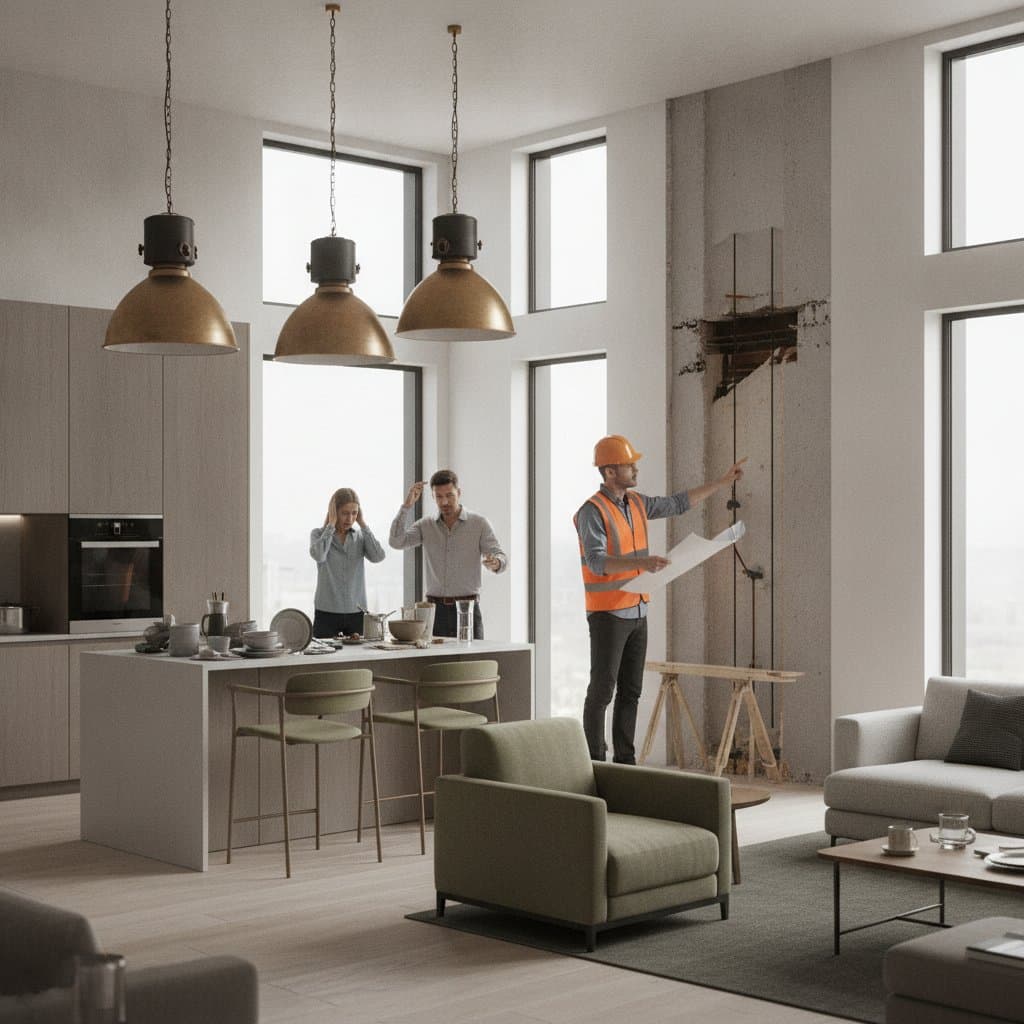
The most significant budget overruns often originate from issues behind the walls. Contractors in various cities report that removing drywall or flooring frequently reveals unseen structural damage.
In a loft remodel completed by Harper & Daly Design, the team discovered water-damaged joists under reclaimed oak flooring. Replacing these joists increased both time and material expenses, but the work prevented long-term sagging. The use of engineered oak planks and reinforced steel supports restored stability and created a refined, rustic finish. This unforeseen repair ensured the home's safety and maintained its open-plan layout.
Structural issues lack glamour, but resolving them safeguards your investment and extends the life of new finishes.
2. Outdated Electrical Systems
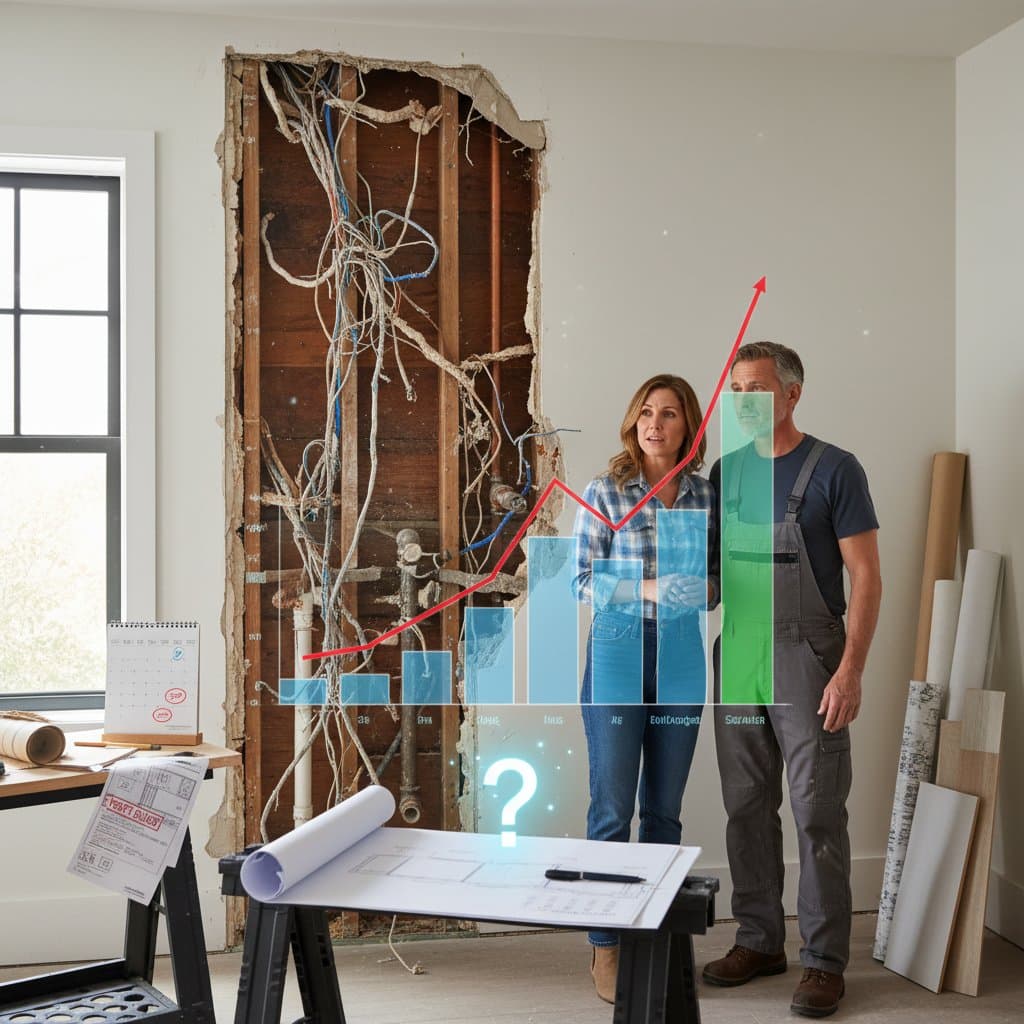
Homes built decades ago seldom comply with current electrical codes. During renovation, outdated wiring typically demands a complete upgrade to accommodate new lighting or appliances.
In a townhouse renovation by Sierra Finch Interiors, the design featured warm brass sconces on either side of a bathroom mirror. Demolition exposed aluminum wiring incompatible with the new fixtures. Rewiring the entire second floor raised costs considerably, yet it enabled safer, more efficient systems that supported dimmable LED lighting.
Electrical upgrades remain invisible in the final design, but they enhance daily comfort, reduce energy consumption, and boost long-term property value.
3. Plumbing Complications
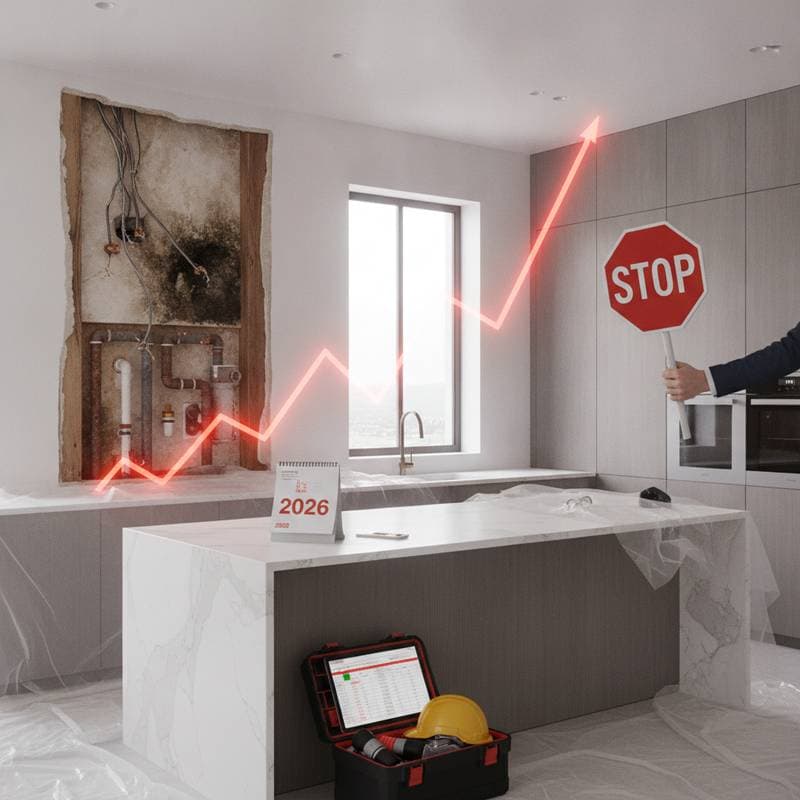
Water lines and drains conceal some of the priciest surprises. A simple kitchen modification can uncover corroded pipes or inadequate venting.
A coastal kitchen project by Mara Linton Studio provides a clear example. Under a run of sea-glass mosaic tile, the team identified rusted galvanized pipes that restricted water flow. Installation of PEX tubing restored consistent pressure and shielded new cabinetry from moisture damage. This adjustment also permitted a deeper farmhouse sink, which improved functionality and visual appeal.
Plumbing improvements do not feature on mood boards, but they dictate whether the renovation operates smoothly or leads to persistent problems.
4. Permit Delays
Administrative obstacles do not appear as direct costs, but time translates to expenses when contractors idle. Many local governments mandate permits for changes to structure, electrical, or plumbing systems. Each postponement inflates rental fees, storage charges, and temporary housing costs.
In a duplex renovation by Linden Row Homes, an incorrectly submitted permit for a structural beam paused construction for weeks. The team utilized the pause to perfect millwork details, but holding costs rose nonetheless. The completed space included white oak cabinetry and brushed nickel pulls, resulting in a cohesive, timeless interior. This incident highlighted the importance of initiating permit processes early.
Incorporating a buffer for bureaucratic timelines avoids financial pressure and sustains project momentum.
5. Material Price Fluctuations
Well-planned budgets can still collapse if material prices change during the project. Items such as natural wood, stone, or imported tiles may increase due to supply disruptions.
For a mid-century ranch redesign by Ellis & Co. Design, the original plan specified Carrara marble counters. During fabrication, supplier prices surged. The team shifted to quartz with marble veining, which preserved the budget and upheld visual harmony. This alternative surface offered greater durability for a high-traffic family kitchen.
Tracking supplier schedules and ordering materials in advance averts abrupt budget adjustments and secures design integrity.
6. Hidden Asbestos or Lead
Remediation for safety hazards ranks among the costliest and most critical hidden expenses. Properties constructed before current regulations may harbor asbestos in insulation or lead in paint. Disturbing these materials necessitates professional abatement.
In a Craftsman home update by Tanner & Wells Renovation Group, an inspection detected asbestos in attic insulation. The removal process and air quality tests added thousands of dollars and postponed flooring work. The final outcome featured hand-scraped walnut floors and soft white trim, supported by enhanced safety and homeowner confidence.
Conducting tests prior to demolition yields precise cost projections and eliminates emergency expenditures.
7. Design Scope Creep
Project expansion during execution can escalate costs more rapidly than any defect. This occurs when homeowners alter aesthetics impulsively rather than adhering to an established plan.
A downtown condo refresh by Marlow Design Collective started as a basic bathroom remodel but grew into a full suite overhaul after installing matte black fixtures and Calacatta-look porcelain. The unified aesthetic proved worthwhile, though the budget almost doubled. The designer emphasized that establishing a fixed scope with room for a single planned upgrade serves as the strongest defense.
Maintaining discipline in design choices creates fiscal flexibility and ensures deliberate outcomes.
8. Delivery and Disposal Fees
Charges for freight, handling, and waste disposal often evade initial estimates. Transporting heavy slabs, large appliances, or clearing demolition debris incurs fees that build swiftly.
In a Los Angeles hillside home remodel by Brightline Studio, the budget covered premium terrazzo flooring but overlooked the need for a crane to navigate the steep driveway. The extra transport and debris removal expenses proved substantial. Nevertheless, the terrazzo's polished surface, combined with walnut cabinetry, achieved a compelling mid-century ambiance.
Requesting a detailed logistics breakdown at the outset identifies these expenses before they emerge unexpectedly.
9. Temporary Living Expenses
Most homeowners overlook the expense of relocating during extensive renovations. When kitchens or bathrooms become inaccessible, costs for short-term rentals, hotel stays, or increased dining out accumulate rapidly.
In a full-home refresh by Vanguard Renovations, the family relocated to a nearby apartment for two months while the kitchen and primary bath underwent transformation. This arrangement prevented daily disruptions but added rental fees and utility deposits to the total. The end result included custom shaker-style cabinets and integrated appliances, creating a seamless living space that made the temporary inconvenience worthwhile.
Budgeting for alternative accommodations from the start minimizes stress and supports uninterrupted progress.
Strategies to Safeguard Your Renovation Budget
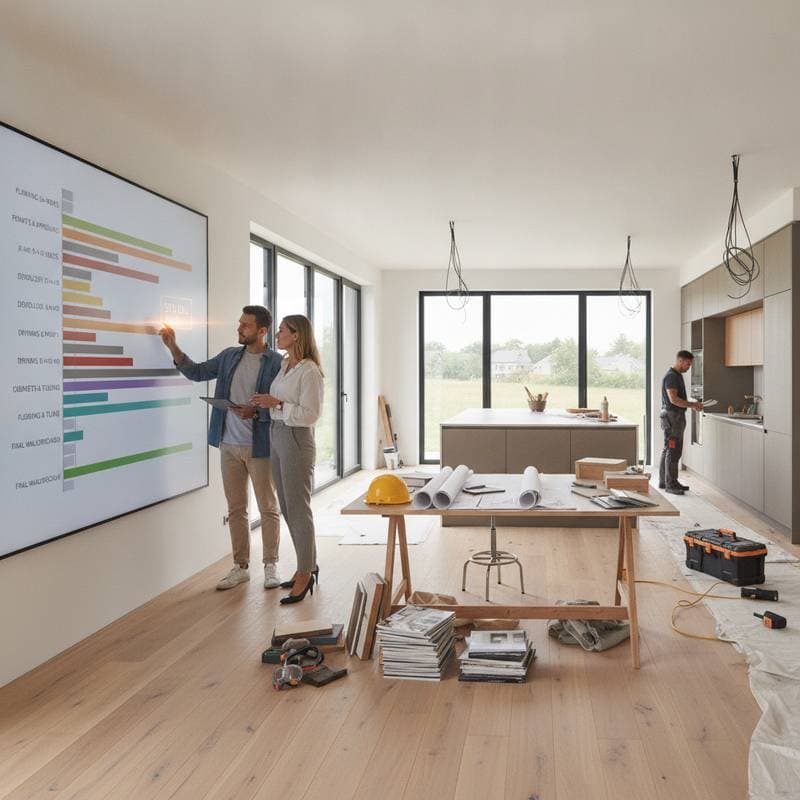
Planning for these hidden costs transforms potential disasters into manageable elements. Start with a thorough pre-project inspection to uncover structural, electrical, and safety issues early. Secure permits and materials ahead of time to sidestep delays and price hikes. Define your project scope clearly, and include a contingency fund of 15 to 20 percent for unforeseen expenses.
By anticipating these pitfalls, you protect your finances and realize a renovation that aligns with your vision. The result stands as a durable enhancement to your home, built on foresight and preparation.