Unexpected Remodel Costs You Cannot Afford to Ignore
Step into a newly completed renovation, and homeowners often share a familiar tale. The design impresses, yet the final invoice exceeds expectations. Every project begins with a detailed plan and a budget believed to suffice, but unforeseen expenses emerge that few anticipate.
From my extensive experience overseeing projects of all sizes, certain budget pitfalls recur consistently. Some lurk within building structures, others appear in regulatory requirements, and several stem from seemingly minor decisions. The following Golden Rules, drawn from professional insights, enable you to foresee and manage these expenses effectively. Apply them to safeguard your remodeling budget.
1. Permits, Inspections, and Regulatory Fees
Problem: Homeowners frequently underestimate the time and cost associated with obtaining necessary permits and passing inspections, which vary by locality and project scope.
Context: A simple kitchen update requires electrical and plumbing permits. Delays arise when the local building department demands revisions to plans, leading to additional fees and inspector visits that extend the timeline by weeks.
Solution: Research permit requirements early in the planning stage. Consult your contractor or local authorities to compile a complete list of needed approvals, and allocate 5 to 10 percent of your budget for these expenses.
Technical Detail: Fees often include application costs, inspection charges, and potential fines for noncompliance. In some areas, historic preservation reviews add layers of approval for older homes.
Benefit: Securing permits upfront prevents costly halts, ensures code compliance, and streamlines the overall project flow.
2. Structural Surprises in Older Homes
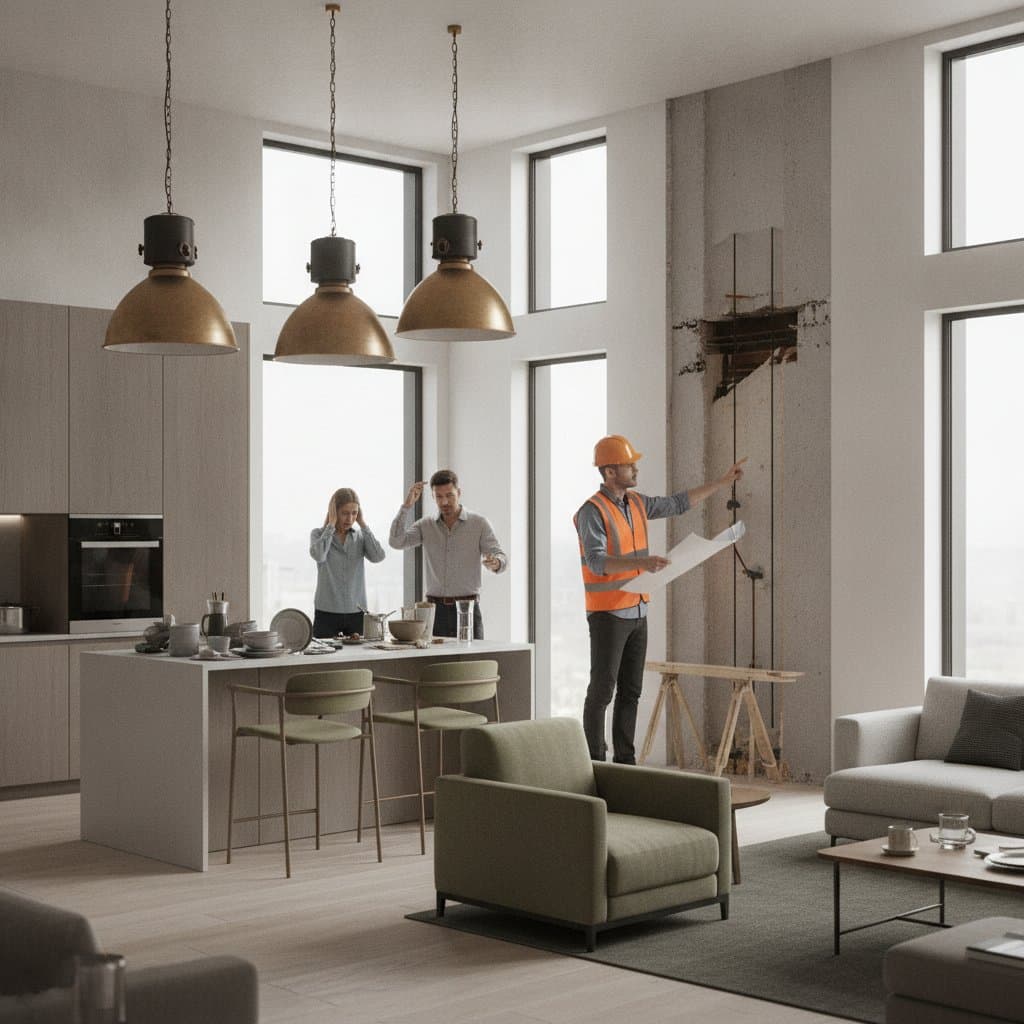
Problem: Demolition often reveals unforeseen structural issues, such as weakened beams, settling foundations, or termite damage, which demand immediate attention.
Context: While removing a load-bearing wall for an open-concept layout, workers uncover rotted joists from past leaks. Reinforcements now require engineering consultations and specialized materials, doubling the initial demolition allocation.
Solution: Conduct a thorough structural assessment before finalizing designs. Hire a licensed engineer to inspect key areas, and build a 15 percent contingency into your budget for discoveries like these.
Technical Detail: Load-bearing elements may need steel beams or sistering with new lumber. Foundation repairs involve underpinning or helical piers to stabilize shifts.
Benefit: Addressing structures proactively enhances home safety, prevents future repairs, and boosts long-term property value.
3. Outdated Electrical and Plumbing Systems
Problem: Older residences conceal wiring or pipes inadequate for contemporary appliances and fixtures, leading to mandatory upgrades.
Context: In a bathroom renovation, installation of a rain shower and heated flooring reveals an electrical panel without capacity for additional circuits. Corroded galvanized pipes further complicate water flow for new fixtures, escalating mechanical costs beyond tile expenses.
Solution: Incorporate a full mechanical evaluation during the design phase. Direct your contractor to examine the service panel, grounding, and water pressure prior to selecting fixtures.
Technical Detail: Electrical panels must accommodate expansion and handle the total load from modern devices. Replace galvanized or polybutylene lines with copper or PEX for durability and efficiency.
Benefit: Early upgrades eliminate risks of breakdowns, elevate safety standards, and enhance market appeal upon resale.
4. Water Damage and Mold Remediation
Problem: Concealed moisture issues, including leaks and mold growth, surface during renovations and require professional remediation to meet health codes.
Context: Opening walls for a bedroom expansion exposes hidden water stains from a leaky roof. Mold testing confirms contamination, necessitating containment, removal, and air quality restoration before proceeding.
Solution: Perform moisture inspections with tools like infrared cameras before demolition. Budget for potential remediation, and select moisture-resistant materials for vulnerable areas.
Technical Detail: Mold removal involves HEPA vacuums, antimicrobial treatments, and encapsulation. Address sources like poor ventilation or faulty seals to prevent recurrence.
Benefit: Resolving water issues improves indoor air quality, avoids health hazards, and protects the integrity of new installations.
5. Material Overages and Delivery Costs
Problem: Precise material orders based on drawings ignore realities of cuts, waste, and repairs, resulting in shortages and rushed reorders.
Context: Ordering exact quantities of hardwood for a living room floor leaves insufficient boards after accounting for angles and transitions. Reordering from a new dye lot creates visible mismatches that demand full replacement.
Solution: Order 10 percent extra material beyond the calculated area. For intricate patterns or diagonal installations, increase to 15 percent to cover contingencies.
Technical Detail: Factor in delivery logistics, such as access challenges for bulky items like stone or cabinets, which may require lifts or additional labor fees.
Benefit: Surplus materials maintain project momentum, ensure uniform finishes, and minimize disruptions from waste.
6. Changes in Scope and Late Design Decisions
Problem: Alterations during construction, such as reconfiguring layouts or swapping materials, incur expenses from new procurement, delays, and rework.
Context: Midway through a kitchen project, a shift from quartz countertops to marble necessitates adjusted supports and custom fabrication, inflating both timeline and costs.
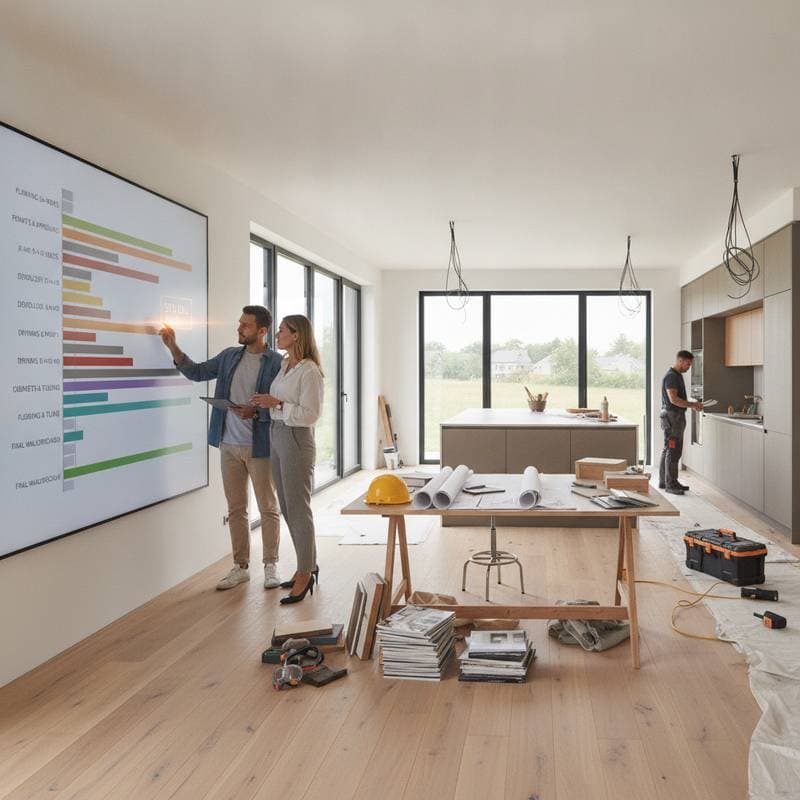
Solution: Lock in all design elements before construction commences. Employ precise drawings detailing materials, sizes, and finishes, and limit changes to written orders only.
Technical Detail: Change orders typically add 10 to 20 percent administrative fees. Hold a pre-construction meeting to verify selections and prevent last-minute shifts.
Benefit: A fixed scope preserves schedules, optimizes contractor efficiency, and controls overall expenditures.
7. Energy Efficiency and Insulation Upgrades
Problem: Renovations expose opportunities for energy improvements, but codes often mandate insulation or sealing that exceeds original estimates.
Context: Redrywalling exterior walls prompts an inspector to enforce new insulation and vapor barriers, absent from the initial plan, to align with current standards.
Solution: Anticipate energy enhancements when accessing walls or attics. Opt for elevated R-value insulation, seal gaps with foam, and choose code-compliant windows.
Technical Detail: Spray foam offers superior sealing over fiberglass, though at higher cost. Confirm regional R-value minimums and adjust for material and installation.
Benefit: Enhanced efficiency reduces energy consumption, heightens comfort levels, and aligns with buyer preferences for sustainable homes.
8. Temporary Living and Utility Disruptions
Problem: Relocation or makeshift arrangements during outages for kitchens or bathrooms generate unexpected personal expenses.
Context: A comprehensive kitchen overhaul leaves a family without cooking facilities for weeks, where reliance on takeout and temporary housing surpasses contingency funds.
Solution: Prepare for interruptions by reserving funds for alternatives like meals or rentals. Collaborate with contractors to preserve access to critical areas where feasible.
Technical Detail: Review the construction timeline for shutdown durations. Sequence plumbing and electrical work to consolidate disruptions and shorten impacts.
Benefit: Proactive planning eases daily life, curbs additional costs, and fosters a smoother transition back to normalcy.
Mastering Your Remodel Budget for Long-Term Success
Implementing these Golden Rules transforms potential pitfalls into manageable elements of your project. By addressing permits, structures, systems, and disruptions from the outset, you position your renovation for efficiency and satisfaction. Ultimately, a well-controlled budget delivers a home that enhances your lifestyle while preserving financial stability.