Uncover 15 Overlooked Remodel Costs Before You Start
Search trends on home improvement sites indicate that unexpected renovation expenses top the list of common homeowner worries. Even meticulously planned projects face surprise costs concealed in structures, systems, and regulations. These factors can disrupt budgets and schedules without early preparation.
This article details fifteen frequently missed remodel costs, drawn from insights by designers, contractors, and homeowners. Each section covers the cause of the expense, preparation steps, and the long-term value it provides to your home. As a design editor and experienced renovator of a mid-century house, I share these lessons from projects that revealed the importance of thorough planning. The creative aspects of remodeling excite me, yet practicality demands careful financial oversight.
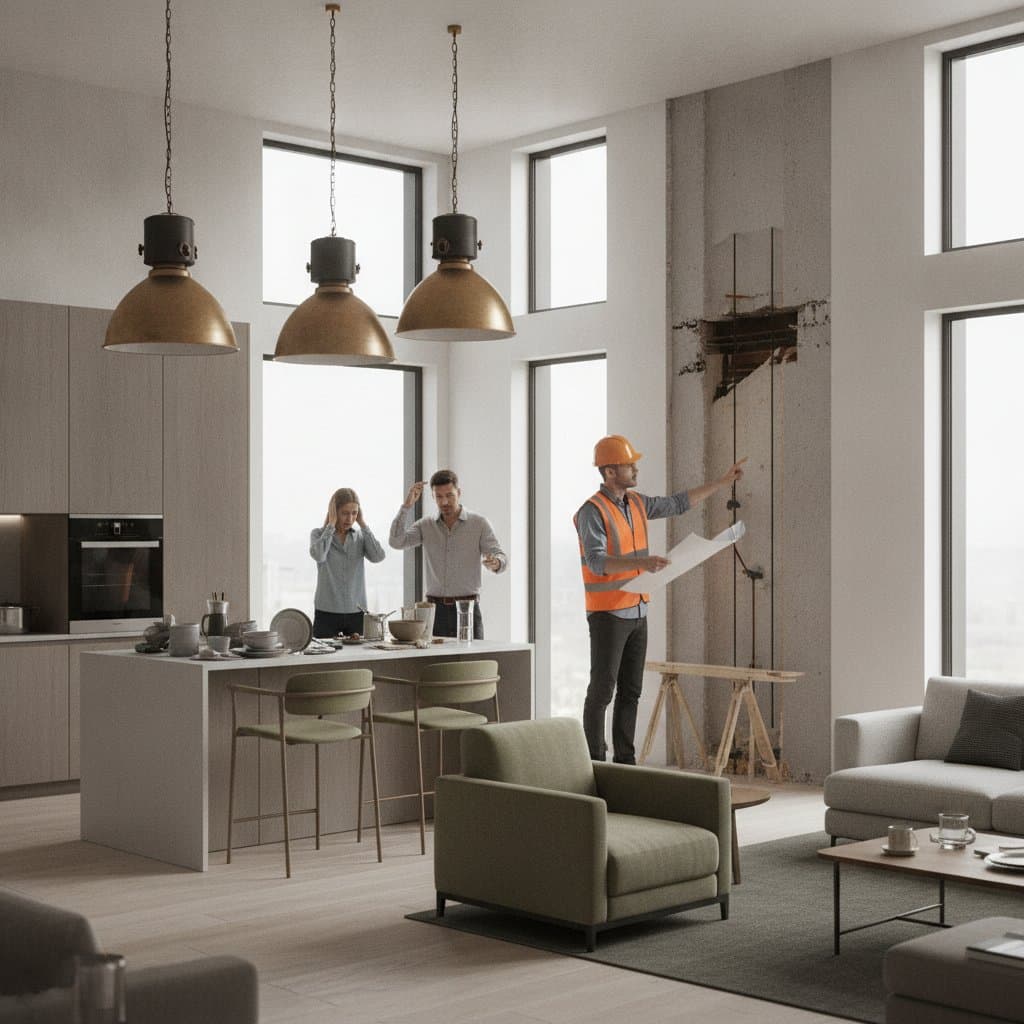
1. Structural Surprises
Demolishing walls frequently exposes weakened framing, drooping beams, or pest infestations like termites. Structural fixes lack appeal, but they ensure safety and durability. Contractors recommend using kiln-dried lumber and steel reinforcements, which may cost thousands, to avoid future foundation issues. These measures create a stable base that supports lasting design elements.
2. Electrical Upgrades
Homes built decades ago seldom comply with current electrical standards. Inspection during demolition often reveals obsolete panels or inadequate capacity. Costs arise from rewiring, installing ground-fault circuit interrupter outlets, and updating breakers. Such improvements enhance safety, enable efficient appliances, and prepare for smart home features, boosting functionality and market appeal.
3. Plumbing Reconfiguration
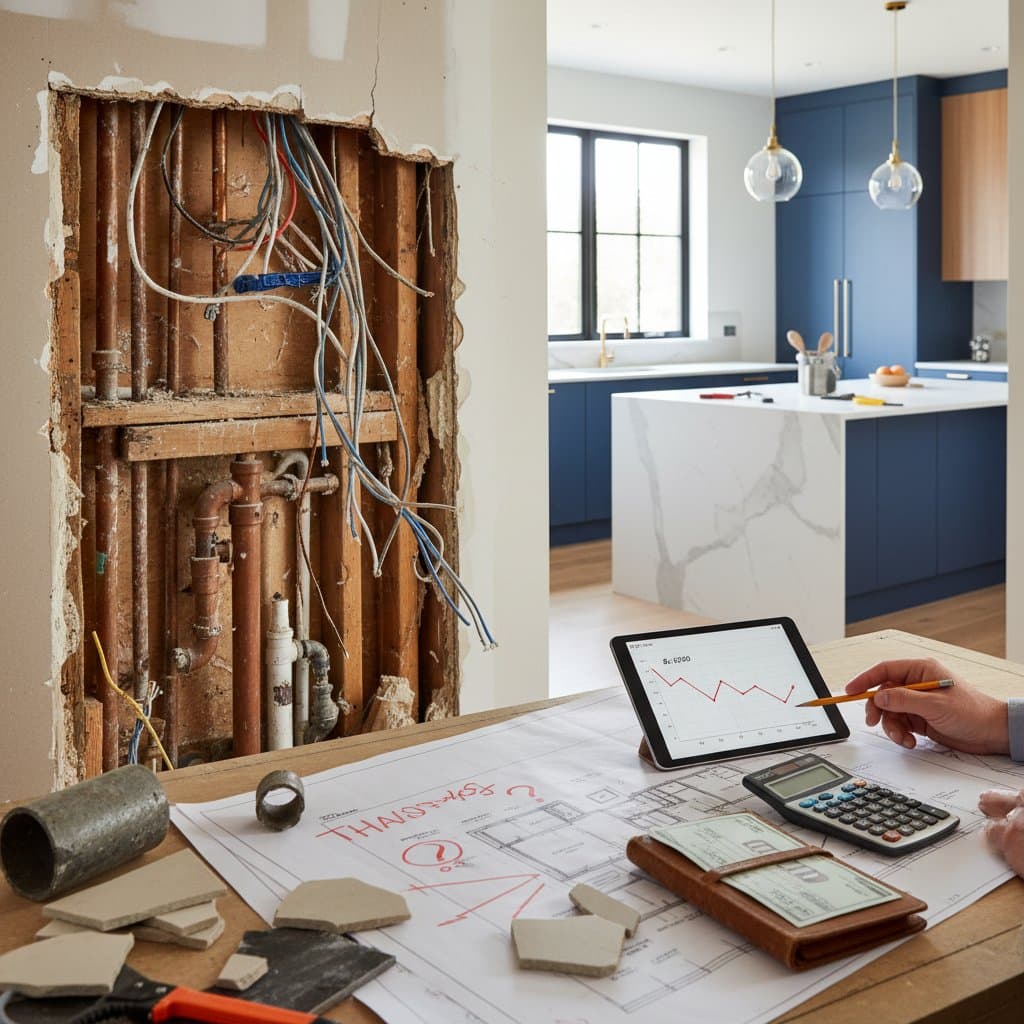
Relocating fixtures like sinks or showers appears straightforward until corroded pipes or inadequate venting emerge. Budget for replacing old galvanized lines with copper or PEX materials and modern valves. These changes improve water flow, reduce leak risks, and protect new installations. Reliable plumbing delivers dependable performance in kitchens and bathrooms.
4. Permit Fees
Local governments require permits for electrical, plumbing, and structural modifications, with fees varying by location and scope. Overlooking them leads to delays or penalties. Allocate funds for these administrative requirements to confirm compliance through inspections. Permits safeguard your project and home against legal issues.
5. Demolition and Disposal
Beyond labor, demolition involves renting containers, paying disposal charges, and managing hazardous materials. Consider salvaging items like wood or brick to cut expenses and minimize environmental impact. Organized demolition maintains a tidy worksite, facilitating smoother progress toward completion.
6. Moisture Damage
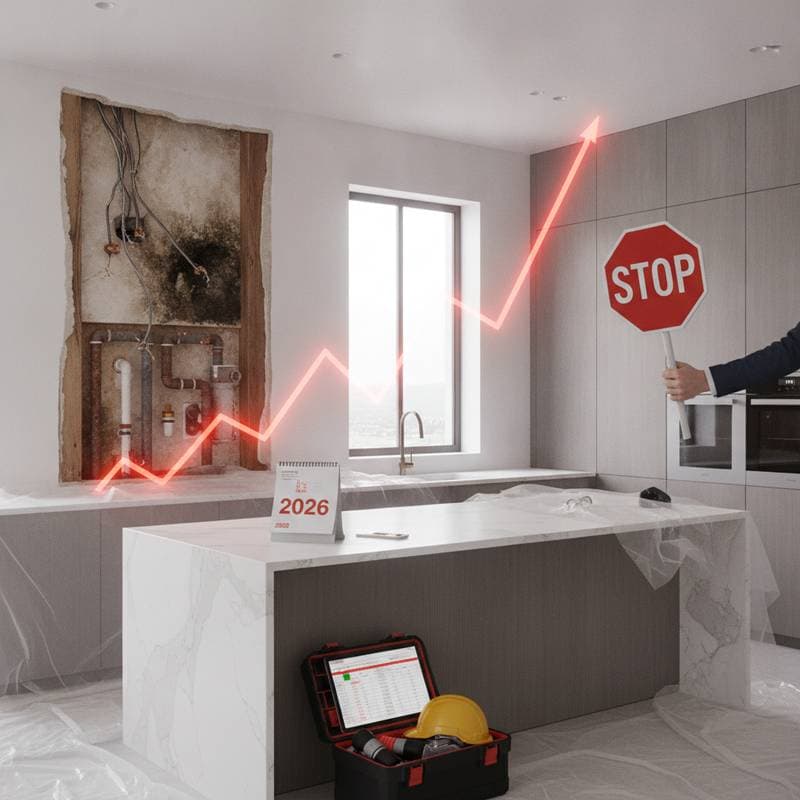
Removing surfaces like tile or drywall uncovers concealed water intrusion, necessitating mold treatment, subfloor renewal, and moisture barriers. Use detection tools before starting work to identify problems promptly. Addressing these issues preserves indoor air quality and extends the life of fresh materials.
7. Insulation and Air Sealing
Renovations expose degraded insulation that fails to perform. Upgrading to spray foam or mineral wool improves thermal efficiency and reduces utility expenses. Seal openings around windows and doors concurrently to enhance soundproofing. These upgrades yield a more comfortable, energy-saving interior.
8. HVAC Adjustments
Altering layouts demands repositioning ducts or adding vents to maintain even temperatures. Costs include zoning systems for targeted control. Ensure balanced air distribution to eliminate uneven heating or cooling. Thoughtful HVAC integration promotes consistent comfort and protects new surfaces.
9. Custom Millwork or Trim
After modifications, off-the-shelf trim may not align properly with altered walls or cabinetry. Fabricating bespoke pieces for baseboards, moldings, or casings increases spending. Select durable woods like pre-primed poplar for clean finishes. Custom elements unify architectural styles seamlessly.
10. Flooring Transitions
Linking new floors to existing ones requires leveling agents, padding, or threshold strips for even surfaces. Order surplus materials to match patterns in hardwoods or tiles. Seamless connections improve visual continuity and remove safety risks like uneven edges.
11. Lighting Revisions
Exposed ceilings prompt reevaluation of illumination plans, leading to additions like recessed lights, controls, or task lighting. Integrate layered LEDs with compatible fixtures for optimal effect. Strategic lighting highlights textures, sets ambiance, and improves daily use.
12. Door and Window Adjustments
Updated layouts necessitate resizing or repositioning openings, involving structural framing, insulation, and finishing. Opt for energy-efficient glazing to cut energy use. These modifications increase natural light and strengthen indoor-outdoor links.
13. Unexpected Design Changes
On-site ideas, such as premium countertops or altered patterns, incur extra labor and material fees. Finalize choices prior to procurement to control costs. Adhering to a set plan allows flexibility in finishes while maintaining fiscal discipline.
14. Temporary Living Costs
Major disruptions, like kitchen overhauls, may force reliance on alternative accommodations or meals. In one project, my family relied on outdoor cooking for an extended period due to delays. Reserve funds for such contingencies to ease lifestyle adjustments.
15. Post-Renovation Cleanup
Construction residue persists after finishing, requiring specialized removal from ducts, surfaces, and windows. Employ high-efficiency filtration tools for thorough decontamination. Professional cleaning ensures the space feels fresh and habitable immediately.
Strategies for Remodel Budget Success
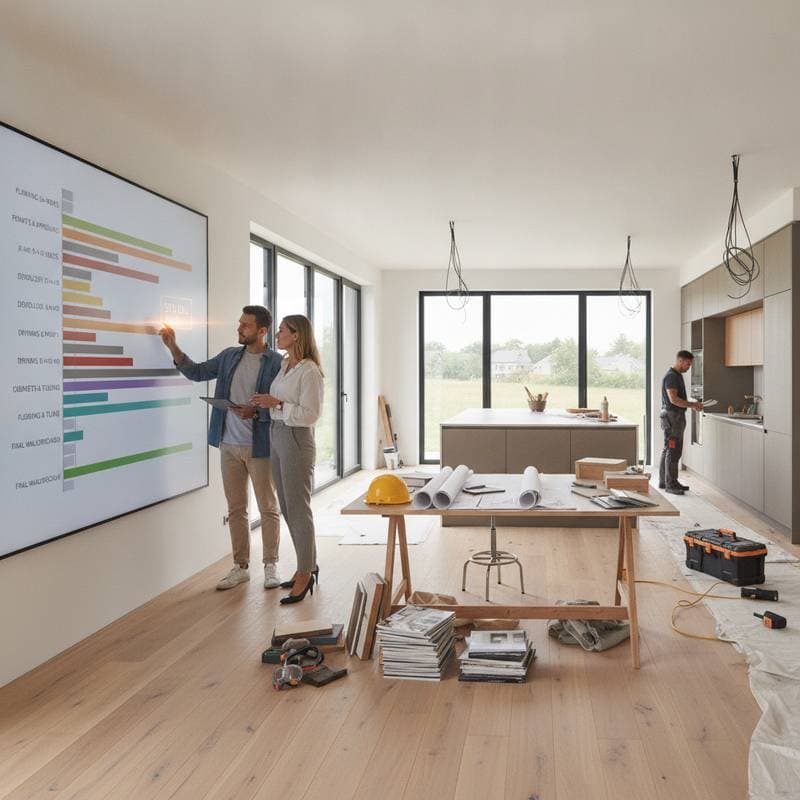
Awareness of these costs shifts renovation focus from mere expenses to tangible benefits in safety, efficiency, and enjoyment. Build a contingency reserve of ten to fifteen percent of your total budget. This buffer converts unforeseen issues into informed decisions, perhaps funding enhancements like superior hardware.
Remodeling blends artistry with strategy. Probing beneath surfaces empowers better choices throughout. From foundational reinforcements to refined lighting, these elements define your home's enduring quality.
Effective renovations embrace surprises as chances to refine and fortify. With preparation and adaptability, the outcome mirrors your vision and foresight.