Anticipate 2026 Remodel Challenges: Secure Materials Early
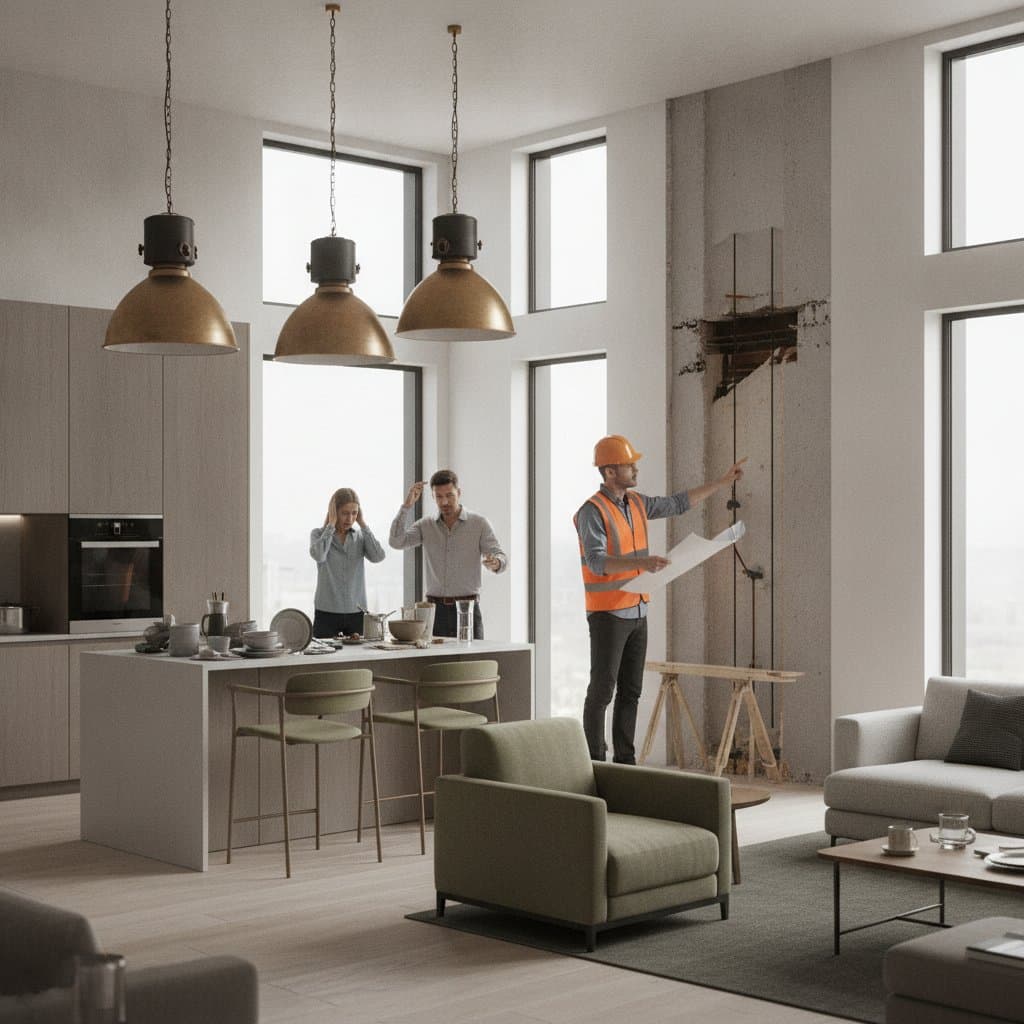
Imagine your envisioned kitchen renovation unfolding smoothly. Selected cabinets arrive on time, chosen tiles await installation, and countertops schedule without issue. Then a contractor reports an indefinite shipment delay, transforming excitement into frustration. Homeowners planning 2026 projects face increasing risks of such disruptions due to emerging supply constraints.
Strategic preparation now positions you to navigate these hurdles effectively. Industry experts, including builders and suppliers, highlight tightening inventories and extended lead times for essential components. Proactive steps ensure your renovation proceeds on schedule and within financial limits.
Insights into Current Supply Chain Pressures
The remodeling sector encounters multifaceted strains beyond past disruptions. Rising homeowner demand for home enhancements drives material needs higher. Elevated global shipping expenses compound difficulties, while sourcing raw materials grows more complex.
Manufacturing and construction labor gaps further strain capacity. Homeowners consequently encounter elevated costs, restricted stock, and prolonged waits for items such as flooring, cabinets, and appliances. Minor elements like hardware or fixtures also risk becoming obstacles amid production slowdowns.
Armed with knowledge of these dynamics, homeowners adjust strategies to safeguard timelines. Informed choices mitigate risks and maintain project momentum.
Key Materials at Risk of Shortages
Certain products prove more susceptible to interruptions based on production methods and logistics. Prioritize monitoring these areas to guide ordering decisions:
- Appliances: High demand persists for refrigerators, ovens, and dishwashers. Reliance on imported components exposes them to multi-stage delays.
- Cabinetry and Custom Millwork: Dependence on skilled craftsmanship and select lumber types invites price surges or availability limits.
- Flooring Options: Processes for luxury vinyl plank, solid hardwood, and ceramic tile demand specialized facilities. Popular styles face extended production queues.
- Windows and Doors: Tailored dimensions and high-efficiency designs require several months for fabrication.
- Plumbing Elements: Imported parts delay faucets, shower assemblies, and unique basins.
- Electrical Items: Chip scarcity impacts lighting fixtures, outlets, and integrated smart systems.
Identifying vulnerabilities enables targeted actions, such as early procurement or viable substitutes.
Initiate Early Sourcing and Ordering
Finalize designs promptly to commence material acquisition. Advance orders secure current pricing and allocate manufacturing capacity, even for projects starting months later. Contractors advise depositing funds or confirming purchases for significant elements prior to site preparation.
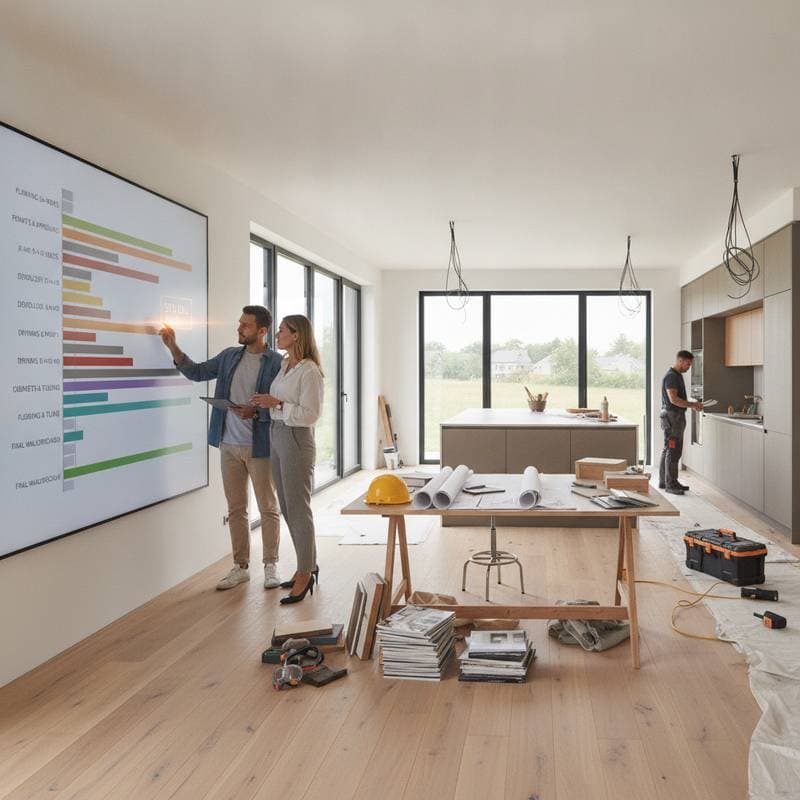
Map out timelines meticulously. Segment comprehensive renovations into manageable phases for adaptability. Procure extended-lead components, like custom cabinetry or fenestration, ahead of structural work to sustain progress.
Monitor delivery projections regularly. Suppliers update timelines unexpectedly; early detection allows schedule recalibrations without halting operations.
Forge Ties with Regional Suppliers
While big-box stores provide ease, independent local vendors deliver superior insight and support. These outlets maintain direct manufacturer links, offering accurate timelines and bespoke recommendations. Access to nearby depots often bypasses broader chain limitations.
Cultivating these partnerships yields multiple benefits. Vendors notify of restocks, propose equivalent products, or hold stock briefly. Such alliances simplify shortage management and enhance overall experience.
Adapt Selections for Materials and Aesthetics
Unavailability of preferred options need not derail designs. Embrace adaptability to preserve vision amid constraints. Opt for comparable alternatives from alternate sources or in-stock variants rather than extended waits.
Consider these practical adjustments:
- Countertops: Substitute backordered quartz with granite slabs or advanced laminates that replicate veined patterns convincingly.
- Cabinet Surfaces: Adjust stain shades marginally to align with color schemes seamlessly.
- Flooring Choices: Select engineered planks or resilient vinyl for comparable durability and appeal with faster availability.
Collaborate with designers or builders to identify solutions balancing style and timing imperatives.
Maintain Ongoing Dialogue with Your Contractor
Effective collaboration underpins remodel success. Inform your contractor of priority elements and flexible aspects. As frontline recipients of supply updates, they implement adjustments or alternatives preemptively.
Inquire about backup strategies. Established teams diversify vendor networks to circumvent single-point failures. Some maintain on-hand inventories for routine needs, minimizing interim pauses. Regular check-ins foster alignment and avert disruptions.
Allocate Reserves for Cost Variations
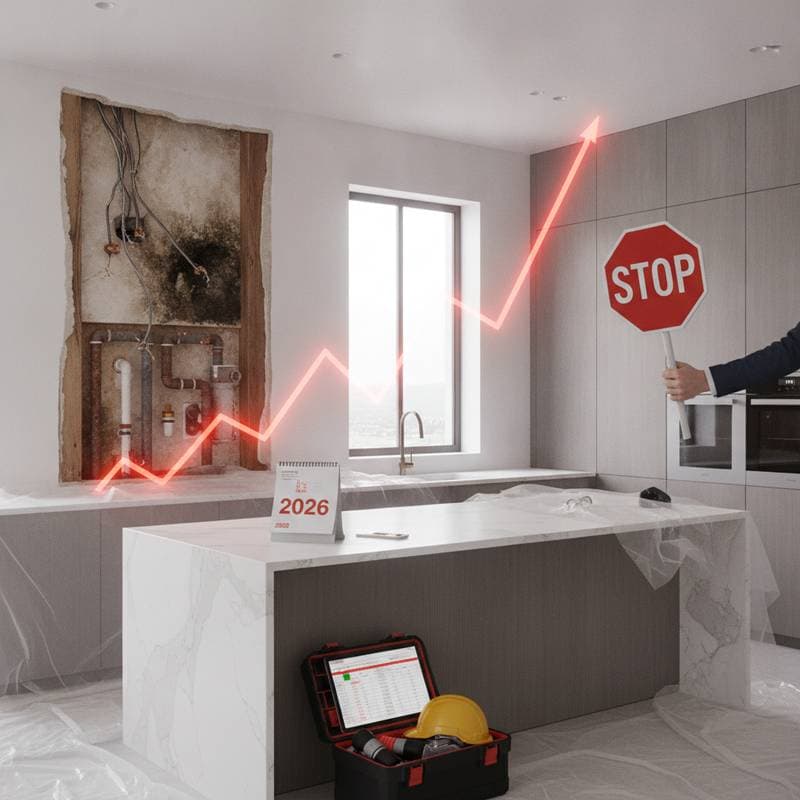
Shortages frequently inflate expenses. Initial bids may require revisions as commodities like timber, metals, and overseas imports vary. Prepare accordingly to absorb shifts without compromising scope.
Designate a 10 percent contingency within your total budget. This reserve accommodates surges and enables swift decisions on pricier alternatives. Formalize buy commitments for key purchases upon quote finalization to stabilize costs.
Explore Eco-Friendly and Accessible Substitutes
Durable, local options often align with sustainability goals and sidestep global dependencies. Shorter supply paths reduce vulnerability to international fluctuations.
Implement these strategic replacements:
- Salvaged Timber for feature walls or storage in lieu of exotic imports.
- Upcycled Glass Surfaces offering quartz-like resilience without quarrying demands.
- Area-Made Ceramics from craft producers over distant imports.
- Refinished Existing Cabinets to refresh appearances cost-effectively.
Such selections accelerate timelines while infusing unique, environmentally conscious elements.
Monitor Transport and Receipt Processes
Availability alone does not guarantee prompt arrival. Environmental factors, terminal backlogs, and carrier deficits influence routes. Demand shipment tracking and validate arrival slots with providers to preempt issues.
For pre-installation holding, verify suitable environments. Humidity and climate affect lumber, ceramics, and coatings adversely. Appropriate conditions uphold integrity and forestall additional delays from impairments.
Structure Projects in Sequential Stages
Uncertainty favors modular execution over monolithic efforts. Target zones with confirmed supplies first. If flooring lags but sanitary ware arrives, prioritize bath updates to sustain advancement.
Phasing sustains motivation through tangible milestones. It affords observation periods to refine subsequent segments based on emerging stock realities. This method streamlines oversight compared to rigid, all-encompassing schedules.
Embrace and Document Your Outcomes
Post-completion, the foresight invested yields enduring rewards. Adapted choices often integrate harmoniously, enhancing living spaces unexpectedly.
Document selections, vendor details, and care instructions for reference. This archive simplifies expansions or repairs, ensuring consistency in future endeavors.
Execute Your Renovation Strategically
Navigating 2026 constraints demands preparation, yet yields rewarding results. Launch planning immediately, engage teams transparently, and remain open to refinements.
Proactive material securing and adaptability preserve fiscal and temporal integrity. Ultimately, these measures deliver a refined home embodying personal aspirations without undue complications.