
Unveiling Hidden Costs That Could Derail Your 2026 Remodeling Budget
Home renovation television programs rarely depict the mounting anxiety as initial estimates escalate unexpectedly. A project that starts as a straightforward kitchen update can quickly evolve into a significant financial commitment, transforming the concept of a contingency fund into an essential safeguard. The envisioned outcome features elegant marble countertops and modern fixtures, yet reality often involves late-night searches for cost-effective materials while maintaining household routines.
Hidden costs function as unforeseen elements in any remodeling endeavor. They emerge abruptly, erode allocated funds, and persist without invitation. Awareness of their potential locations enables proactive management, allowing homeowners to address them systematically rather than reactively.
Structural Surprises Underfoot
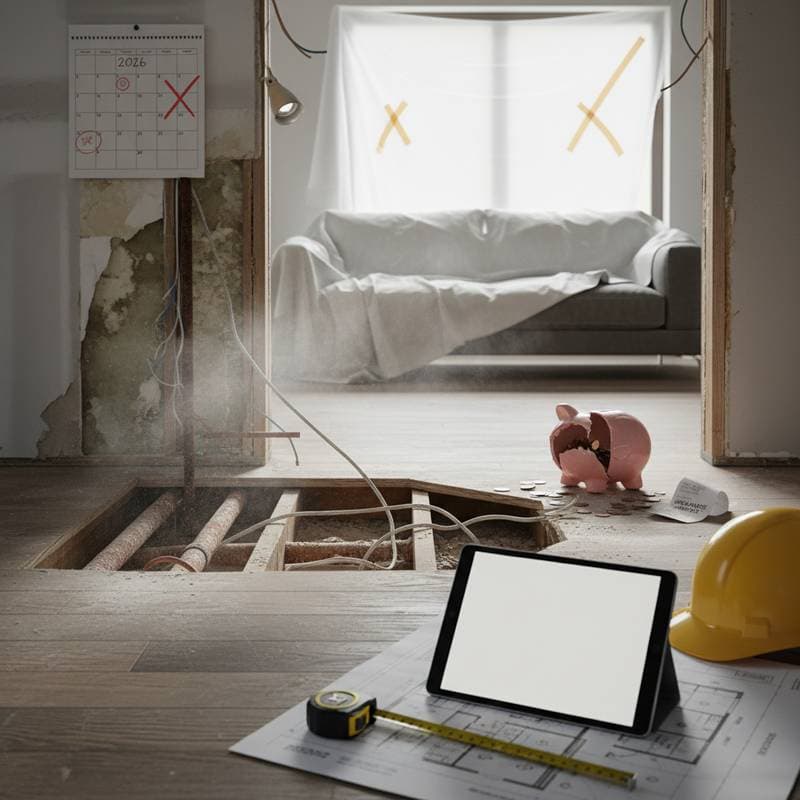
Flooring selections extend beyond surface aesthetics to underlying conditions. Uneven subfloors, creaking joists, or moisture damage frequently require attention before installation proceeds. For instance, removing worn carpeting might reveal deteriorated wood that demands replacement, potentially adding several thousand dollars to the total and testing project resolve.
To mitigate this, conduct a professional inspection prior to finalizing plans. Schedule a structural assessment that includes moisture testing and load-bearing evaluations. Such steps identify issues early, preventing escalation during active construction.
Plumbing systems present similar challenges, particularly in older properties. Demolition often exposes corroded pipes or inefficient configurations that necessitate full overhauls. These upgrades ensure reliable performance but offer little visual appeal, functioning as invisible necessities rather than showcase features.
Plan for plumbing evaluations by consulting licensed inspectors who review pipe materials, water pressure, and drainage paths. Budget for potential rerouting, which can increase costs by 20 percent or more in homes built before 1980.
Electrical Challenges and Safety Essentials
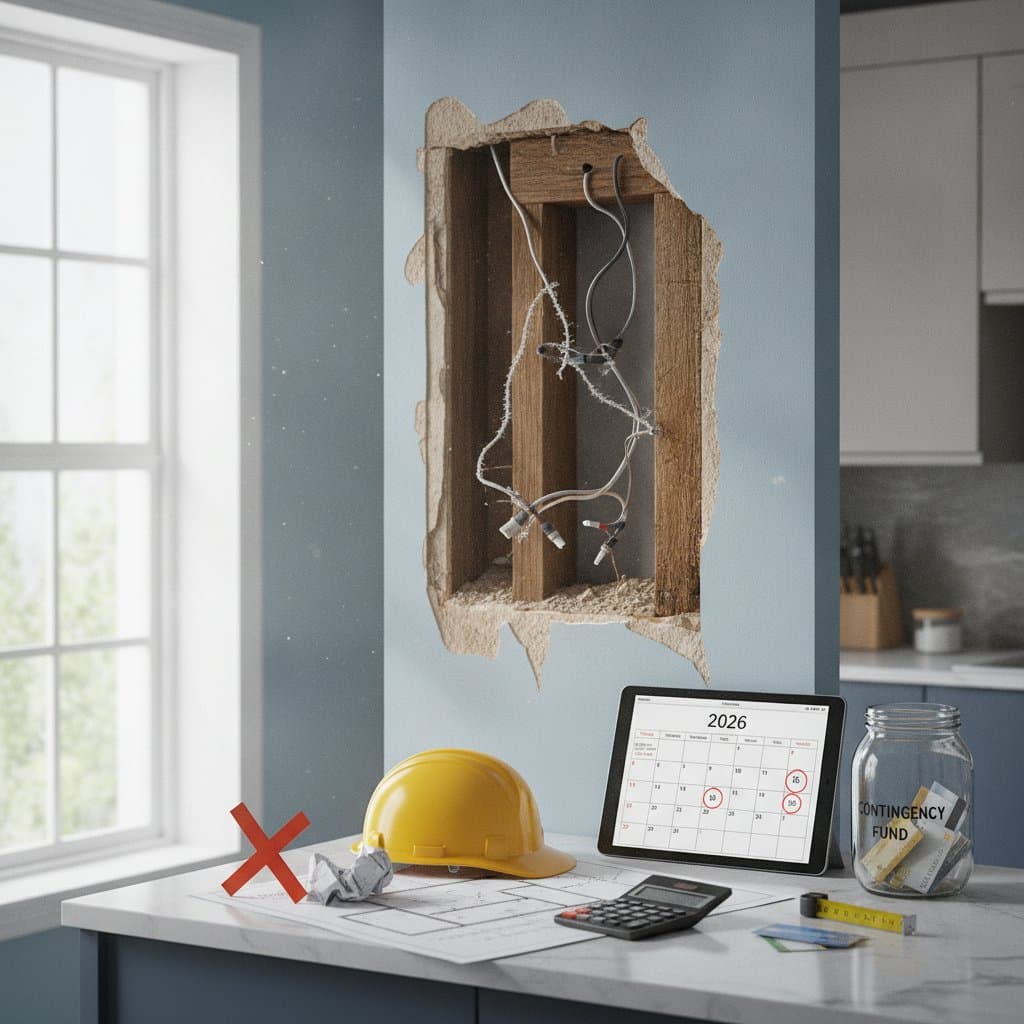
Electrical systems demand careful scrutiny, as assumptions about simple additions overlook outdated infrastructure. Wiring from decades past may fail modern codes, requiring comprehensive rewiring to prevent hazards. This work prioritizes functionality over aesthetics, guaranteeing safe operation without incidental risks like short circuits.
Homeowners should engage electricians for code compliance audits early in the process. Factor in upgrades for grounding, circuit breakers, and outlet placements, especially in structures predating widespread use of personal electronics. Allocate funds assuming properties over 30 years old will need extensive modifications.
Lighting installations add further layers of expense. Catalog images depict appealing designs, yet practical implementation involves structural reinforcements and control mechanisms. A recent case involved pendant fixtures that required additional ceiling joists, transforming a basic swap into a project demanding specialized equipment.
Select lighting with installation feasibility in mind. Consult contractors about load requirements and integration with existing systems. This approach avoids surprises, such as the need for permits or reinforcements that inflate budgets unexpectedly.
Managing Disruption and Waste
Remodeling inherently disrupts daily life, warranting dedicated budgeting for indirect costs. Construction dust permeates living spaces, while relocated routines lead to increased reliance on external meals and services. If relocation becomes necessary, hotel stays or alternative housing can accumulate rapidly.
Prepare by outlining a disruption timeline with your contractor. Identify temporary solutions, such as renting storage for furniture or setting up a makeshift kitchen area. Track these expenses separately to maintain oversight.
Waste management represents another overlooked area. Demolition generates substantial debris, filling disposal containers swiftly and incurring fees for additional hauls. Underestimating volume often results in rushed arrangements, complicating project closure.
Estimate waste based on square footage: kitchens typically produce 10 cubic yards per 100 square feet renovated. Secure quotes for skip rentals and recycling services in advance. Partner with eco-friendly haulers to potentially reduce costs through material diversion.
Navigating Finishes and Upgrades
The completion phase tempts with opportunities for enhancements, where minor choices compound into significant outlays. Custom hardware, specialized storage, and high-end surfaces appear justifiable in the moment, yet their collective impact strains finances.
Resist impulse by creating a prioritized upgrade list. Assign budgets to categories like hardware and surfacing, adhering strictly to limits. Visit showrooms with pre-approved spending caps to curb on-site decisions.
Painting extends beyond material purchases to preparatory labor and multiple applications. Surface preparation, including sanding and priming, consumes time and resources, often necessitating professional intervention for uniform results.
Calculate paint needs accurately: one gallon covers 350-400 square feet per coat. Include drop cloths, tapes, and tools in estimates. If hiring professionals, specify prep work in contracts to avoid premium charges for corrections.
Building a Resilient Budget
A robust contingency fund serves as the primary defense against unforeseen expenses. Experts recommend reserving 10 to 15 percent of the total budget, with additional padding for those inclined toward optimistic projections. This allocation covers variables like supply delays or minor repairs without derailing the project.
Incorporate flexibility by reviewing budgets quarterly during planning. Consult multiple contractors for comparative quotes, identifying potential variances. Use project management tools to track expenditures in real time, adjusting as needed.
Achieving Lasting Value
Upon completion, the transformed space delivers enduring satisfaction and utility. Initial financial pressures diminish as functionality enhances everyday experiences, from efficient cooking setups to reliable systems. Proper attention to hidden costs ensures a durable outcome that supports long-term homeownership goals.
Homeowners embarking on renovations share common experiences of adaptation and triumph. Approach the process with informed preparation to transform challenges into opportunities for a more comfortable living environment.