2026 Wet Room Costs: Essential Golden Rules for a Successful Installation
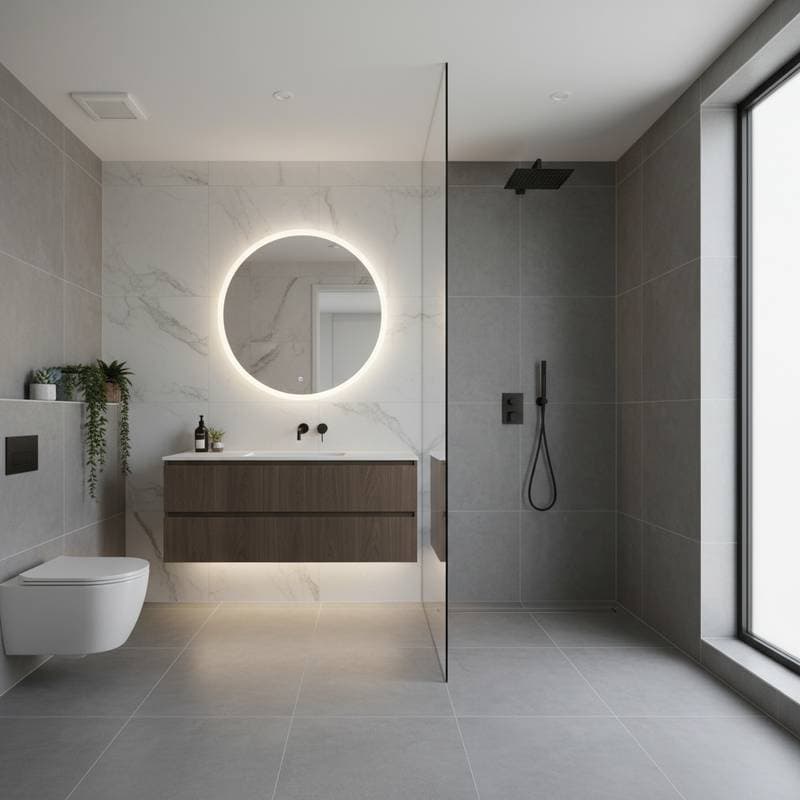
Modern bathrooms increasingly feature wet rooms, which offer open, barrier-free shower areas that enhance accessibility and create an illusion of expanded space. These designs demand precise engineering to manage water effectively while maintaining aesthetics and safety. Homeowners planning a 2026 renovation should anticipate total costs ranging from $8,000 to $20,000, depending on size, materials, and location, with labor accounting for 40 to 50 percent of the budget. The following eight golden rules provide a roadmap to navigate construction challenges, optimize expenses, and deliver a durable, stylish result.
Golden Rule 1: Establish Comprehensive Waterproofing from the Start
Problem: Inadequate waterproofing leads to moisture penetration, mold growth, and structural damage over time.
Solution: Apply a full tanking system, including liquid membranes or sheet barriers, to walls, floors, and junctions before any tiling begins. Ensure overlaps of at least 50 millimeters at seams and corners for complete coverage.
Context: During a recent project in a compact urban apartment, we layered a cementitious waterproofing compound over the substrate, which prevented any water ingress even after heavy daily use.
Benefit: Robust waterproofing safeguards the home's integrity and reduces maintenance costs, potentially saving thousands in repairs. In 2026, expect to allocate $1,500 to $3,000 for high-quality systems.
Golden Rule 2: Choose a Correctly Sloped Floor
Problem: Standing water is the enemy of any wet room. A common mistake is creating a floor that looks level but lacks proper drainage.
Solution: Slope the floor toward the drain at 1.5 to 2 percent, which equates to a drop of approximately one-quarter inch per foot. Use self-leveling compounds or adjustable formers to achieve uniformity.
Context: In one client project, we employed a prefabricated shower tray former to guarantee a consistent slope before tiling, eliminating pooling issues.
Benefit: Controlled drainage keeps the floor dry, extends the lifespan of tiles and grout, and enhances user safety. Budget $500 to $1,200 for sloping materials and adjustments in 2026 estimates.
Golden Rule 3: Install a Reliable Drainage System
Problem: Undersized or poorly positioned drains cause backups and uneven drying, compromising the wet room's functionality.
Solution: Opt for linear drains along the wall or central point drains with a minimum 2-inch diameter to handle flow rates up to 30 gallons per minute. Position them strategically to align with the slope.
Context: For a family home retrofit, integrating a sleek linear drain not only improved aesthetics but also simplified cleaning by directing water efficiently.
Benefit: Effective drainage minimizes slip hazards and prevents water damage, contributing to a hygienic environment. Anticipate $800 to $2,000 for drain installation and related plumbing in 2026.
Golden Rule 4: Select Durable, Slip-Resistant Flooring
Problem: Homeowners often choose tiles for appearance rather than function, creating slippery, unsafe surfaces.
Solution: Prioritize porcelain or textured natural stone tiles with a wet pendulum slip resistance value of 36 or higher. Incorporate small mosaic tiles to increase grout lines, which provide additional traction.
Context: In a high-traffic household, switching to anti-slip porcelain reduced accident risks while maintaining a contemporary look.
Benefit: Enhanced safety pairs with enduring durability, avoiding costly replacements. Material costs for flooring in 2026 may range from $2,000 to $5,000, depending on square footage.
Golden Rule 5: Prioritize Adequate Ventilation
Problem: Poor airflow traps humidity, fostering mold and diminishing air quality in the enclosed bathroom space.
Solution: Install an exhaust fan rated at 50 to 100 cubic feet per minute, positioned near the shower area, and supplement with operable windows if possible. Run the fan for 20 minutes post-use to clear steam.
Context: A seaside property benefited from a humidity-sensing fan that activated automatically, maintaining dry conditions year-round.
Benefit: Superior ventilation preserves finishes and promotes health, with long-term energy savings from efficient models. Factor in $300 to $800 for ventilation upgrades in your 2026 budget.
Golden Rule 6: Control Costs with Smart Material Choices
Problem: Wet room budgets often escalate due to luxury finishes or unnecessary custom work.
Solution: Allocate funds strategically: invest in essential waterproofing, drainage, and ventilation first, then select mid-range tiles and fixtures that mimic high-end appearances.
Context: On a recent remodel, replacing imported stone with high-quality porcelain saved nearly one-third of the total cost without compromising style.
Benefit: Balanced spending ensures long-term reliability and attractive design within budget. Overall material expenses could total $3,000 to $7,000 in 2026, allowing room for personalization.
Golden Rule 7: Integrate Functional Fixtures and Lighting
Problem: Overlooking fixture placement and illumination results in impractical layouts and shadowed areas that affect usability.
Solution: Choose wall-mounted showerheads with adjustable heights for accessibility, and install recessed LED lighting with dimmers to highlight features and ensure even coverage.
Context: In an aging-in-place renovation, thermostatic mixer valves and soft-glow lights created a spa-like retreat that supported daily routines.
Benefit: Thoughtful fixtures enhance comfort and energy efficiency, adding resale appeal. Expect $1,000 to $2,500 for fixtures and lighting in 2026 projections.
Golden Rule 8: Hire Experienced Trades
Problem: General contractors unfamiliar with wet room systems may skip critical details like tanking overlaps or correct slope angles.
Solution: Select professionals with a track record in wet room installations, verified through references and certifications, who offer warranties on waterproofing and workmanship.
Context: Partnering with a specialist team ensured seamless integration in a multi-room project, avoiding delays and rework.
Benefit: Expert execution guarantees performance and protects your investment, with labor costs projected at $4,000 to $10,000 for 2026 builds.
Maximizing the Value of Your Wet Room Investment
A meticulously built wet room transcends mere aesthetics; it streamlines daily routines, accommodates diverse needs, and elevates property worth by up to 10 percent. Focus on these golden rules to sidestep expensive errors and realize a space that endures. With careful planning, your 2026 project will yield a sanctuary of style, safety, and efficiency for years to come.