
2026 Remodeling Trends: Prioritizing Projects for Strong ROI
The latest Remodeling Cost vs. Value Report from Zonda Media reveals that only 36 percent of homeowners remained within their renovation budgets, and nearly half faced cost overruns of at least 20 percent. Construction inflation, labor shortages, and volatile material prices continue to shape the landscape for 2026 projects. Homeowners preparing for remodels must focus on initiatives that provide clear return on investment to navigate these economic pressures effectively.
Disciplined remodeling involves assessing each project based on potential resale value, practical utility, and cost recovery rates. This approach ensures that improvements contribute to overall home equity rather than draining resources. The sections below outline key renovations projected to deliver the highest ROI, supported by market data and expert validation.
Understanding ROI in Home Remodeling
Return on investment in remodeling quantifies the portion of project expenses recovered through increased home value at resale. For instance, a $20,000 investment that boosts property value by $16,000 yields an 80 percent ROI. This metric serves as a critical benchmark for decision-making.
Real estate analyst David Chen, MBA, from MarketLens Realty Economics, notes, "ROI varies significantly. Regional market dynamics, buyer tastes, and comparable property prices all influence outcomes. A renovation achieving 85 percent recovery in one area may only reach 60 percent elsewhere."
Homeowners can forecast accurate ROI by consulting local cost databases, obtaining contractor quotes, and reviewing real estate valuations. The goal lies in targeting areas where strong buyer interest aligns with efficient spending.
Top Remodeling Projects for Maximum ROI in 2026
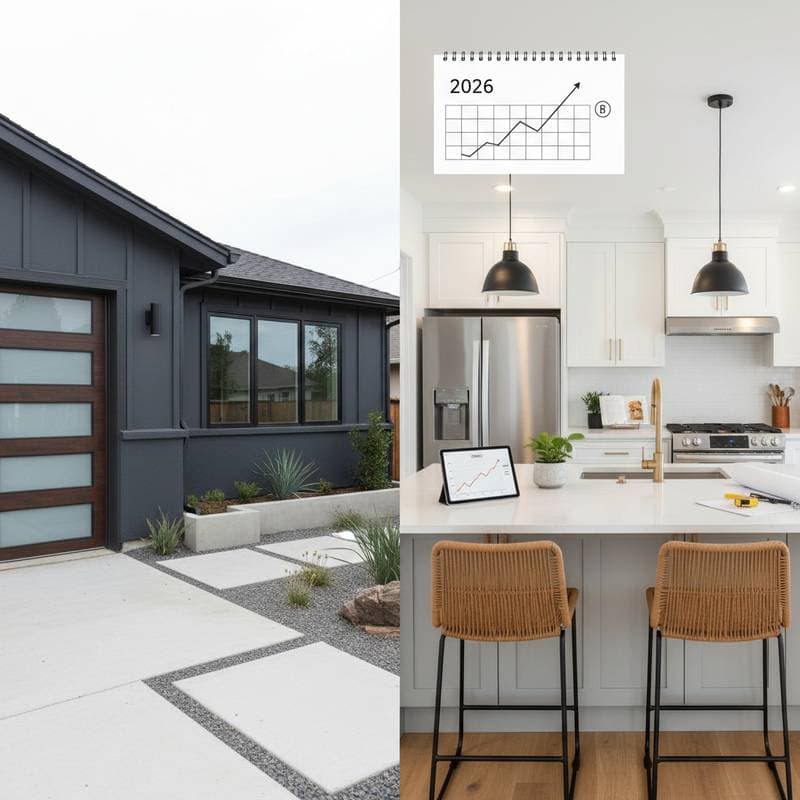
Exterior enhancements dominate 2026 ROI projections due to their immediate impact on curb appeal and buyer perceptions. These projects often recoup 70 to 100 percent of costs, outperforming many interior updates. Below are the leading options, drawn from national averages in the Remodeling Cost vs. Value Report.
-
Garage Door Replacement: This project costs around $4,300 on average and recoups 102 percent at resale. New energy-efficient doors with insulated panels improve security and aesthetics. Buyers prioritize functional garages, making this a low-risk, high-reward choice.
-
Manufactured Stone Veneer Siding: At approximately $11,000, it offers a 102 percent ROI. The durable, low-maintenance material enhances exterior durability without extensive structural changes. It appeals to buyers seeking modern, timeless facades.
-
Minor Kitchen Remodel: Budgeted at $26,800, this yields 75 to 85 percent recovery. Updates like new countertops, energy-efficient appliances, and refreshed cabinetry modernize the space. Focus on neutral designs to broaden buyer appeal.
-
Siding Replacement (Fiber-Cement): Costing about $19,400, it returns 95 percent. This upgrade protects against weather while boosting visual appeal. In regions with harsh climates, it adds measurable value through longevity.
-
Deck Addition (Composite Materials): An investment of $24,000 recoups 70 percent. Outdoor living spaces remain popular, extending usable square footage. Select weather-resistant composites for minimal upkeep.
-
Entry Door Replacement (Steel): At $2,300, it achieves 100 percent ROI. A sturdy, stylish door creates a welcoming first impression. Energy-efficient models further enhance appeal by reducing utility bills.
These projects emphasize cost-effective materials and straightforward installations. Homeowners should adapt selections to local preferences for optimal results.
Managing Costs: Budget Strategies and Pitfalls to Avoid
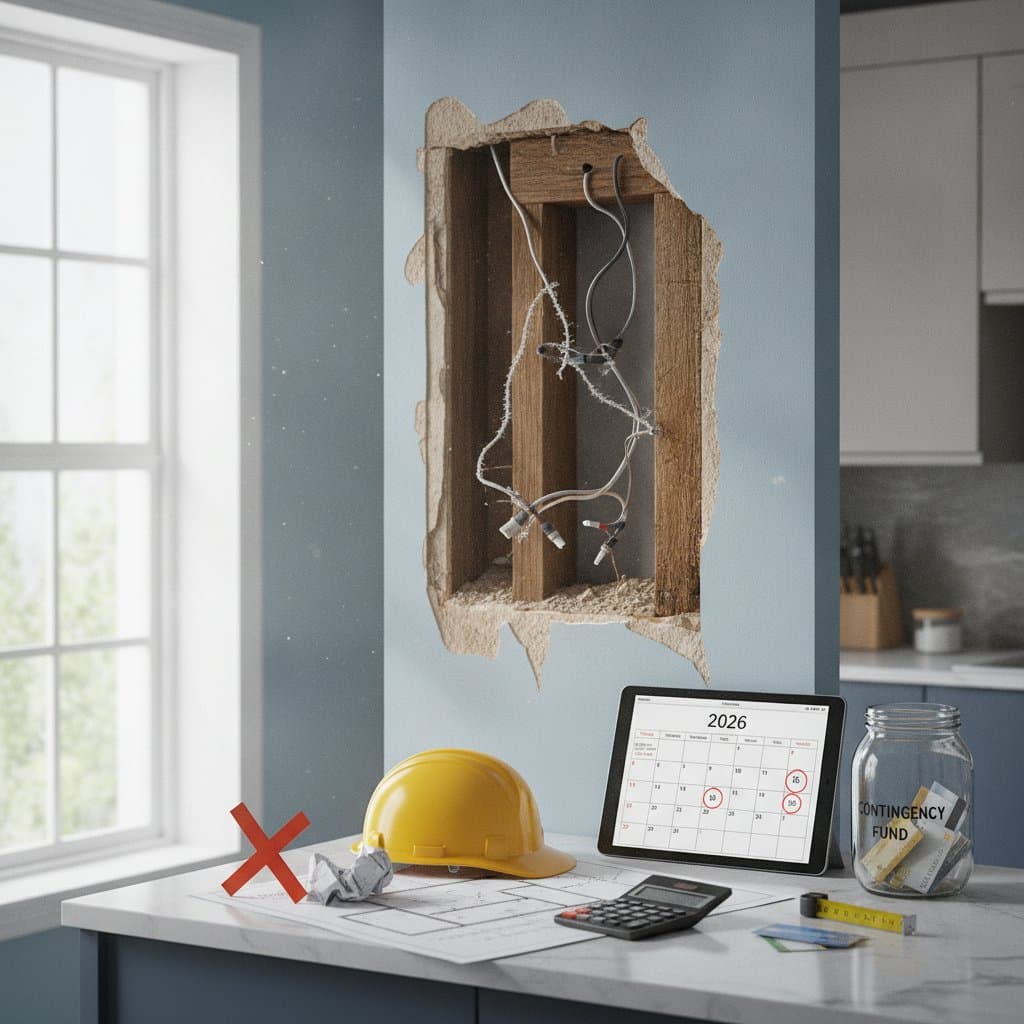
High-ROI projects can falter without sound financial oversight. Start with a detailed initial estimate, then allocate a contingency fund of 10 to 15 percent for unexpected expenses. This buffer addresses common overruns in labor and materials.
The Home Improvement Research Institute reports that 54 percent of homeowners undervalue labor expenses, and 41 percent overlook permits and inspections. Such oversights erode profitability quickly.
To maintain control:
- Obtain three itemized bids detailing labor and materials.
- Lock in design choices early to prevent scope expansion.
- Release payments tied to verified milestones.
- Reserve 15 percent of the budget in liquid funds for surprises.
Ramos recommends, "View remodels as structured capital endeavors. Monitor expenses by category, review outflows regularly, and evaluate choices against anticipated ROI."
Regional Influences on ROI Performance
Geographic factors shape ROI outcomes through variations in buyer demands and property economics. In suburban and mid-sized communities, exterior work excels by enhancing first impressions and accelerating sales.
Urban high-value markets favor kitchen and bathroom refreshes, where modern amenities meet elevated expectations. Midwestern and Southern regions typically post higher ROI figures, thanks to lower construction costs paired with steady resale prices.
Redfin data shows properties with refreshed exteriors sell 30 percent faster. This reduced holding time cuts ongoing expenses like mortgages and utilities, amplifying overall returns.
Homeowners benefit from analyzing local sales comps and consulting regional experts. Tailoring projects to area trends maximizes recovery potential.
Safeguarding ROI: Contracts, Quality, and Risk Management
Solid contracts form the foundation of protected investments. Specify exact materials, brands, timelines, and payment terms in writing. Incorporate a 5 to 10 percent holdback, disbursed only upon satisfactory completion and inspection.
Quality oversight minimizes future issues like repairs or disputes. Conduct walkthroughs at phase ends with contractors, capturing concerns via timestamped photos and formal resolution logs.
Chen observes, "Poor execution can undermine ROI entirely. Substandard work may fail inspections or deter buyers sensing inferior quality. Treat quality checks as rigorous asset evaluations."
Proactive measures ensure projects deliver promised value. Engage licensed professionals and verify insurance coverage upfront.
Preserving Renovation Value Over Time
Post-completion care sustains the financial gains from remodels. Regular tasks like exterior repainting, HVAC tune-ups, and prompt fixes maintain structural integrity and visual standards. Neglect can diminish resale value by up to 5 percent each year.
Strategic planning, data-informed choices, and diligent execution position homeowners for reliable returns amid market shifts. Selecting and implementing these top projects builds enduring equity in any economic climate.