
Avoid Remodel Budget Traps That Cause Overruns
Imagine embarking on a kitchen remodel or primary suite update with a well-defined budget. The design plans appear solid, the contractor expresses assurance, and progress seems steady. However, as demolition proceeds and installation advances, expenses begin to escalate unexpectedly. This scenario resonates with numerous homeowners, often resulting from concealed costs and neglected elements.
The positive aspect lies in proactive measures and thorough planning, which enable avoidance of most such pitfalls. Remodeling invariably presents unforeseen elements, yet meticulous preparation and informed decisions prevent these from escalating into fiscal burdens.
This guide examines prevalent issues leading to budget excesses in remodels and provides concrete methods to maintain oversight. Applicable to single-room updates or comprehensive home transformations, these recommendations foster assured planning and budget safeguarding.
1. Underestimating Labor Costs
Labor represents a substantial portion of any remodel budget, yet many homeowners allocate insufficient funds for skilled workmanship. Electricians, plumbers, and carpenters command premium rates, particularly in high-demand areas or during peak seasons.
Why it happens:
Initial estimates frequently prioritize materials over time-intensive tasks. Homeowners may assume basic rates apply universally, overlooking variables such as project complexity or overtime requirements.
How to avoid it:
Obtain multiple bids from licensed contractors, specifying hourly rates and total labor hours. Include a 20 percent buffer for potential delays. Discuss scope clearly to align expectations, and prioritize professionals with proven track records in similar projects. This approach ensures labor costs remain predictable and controlled.
2. Overlooking Hidden Structural Issues
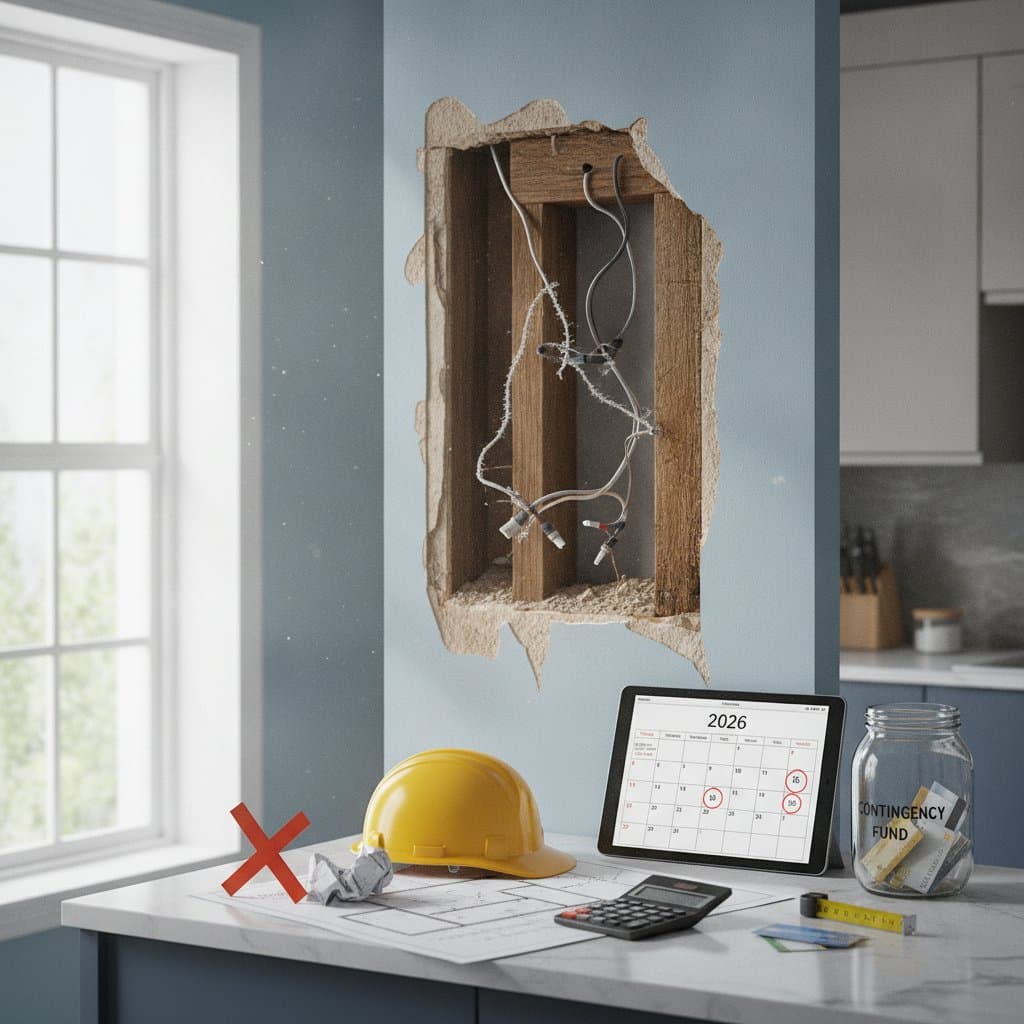
Even straightforward remodels can uncover concealed problems within walls or beneath floors. Issues such as water damage, obsolete wiring, or compromised framing disrupt timelines and elevate expenses.
Why it happens:
Aged properties conceal prior modifications, hasty fixes, or deferred maintenance. These remain undetected until deconstruction exposes them, necessitating immediate remediation before proceeding with installations.
How to avoid it:
Prior to committing to the remodel, commission a professional inspection targeting structural integrity, plumbing, and electrical components. This upfront expenditure typically averts far greater outlays subsequently. In cases of suspected dampness or deterioration, engage a specialist for targeted assessment prior to finalizing designs reliant on affected areas.
Incorporate schedule flexibility as well. Hastened repairs risk subpar outcomes and additional costs. A measured timeline mitigates errors induced by urgency.
3. Ignoring Permit and Inspection Fees
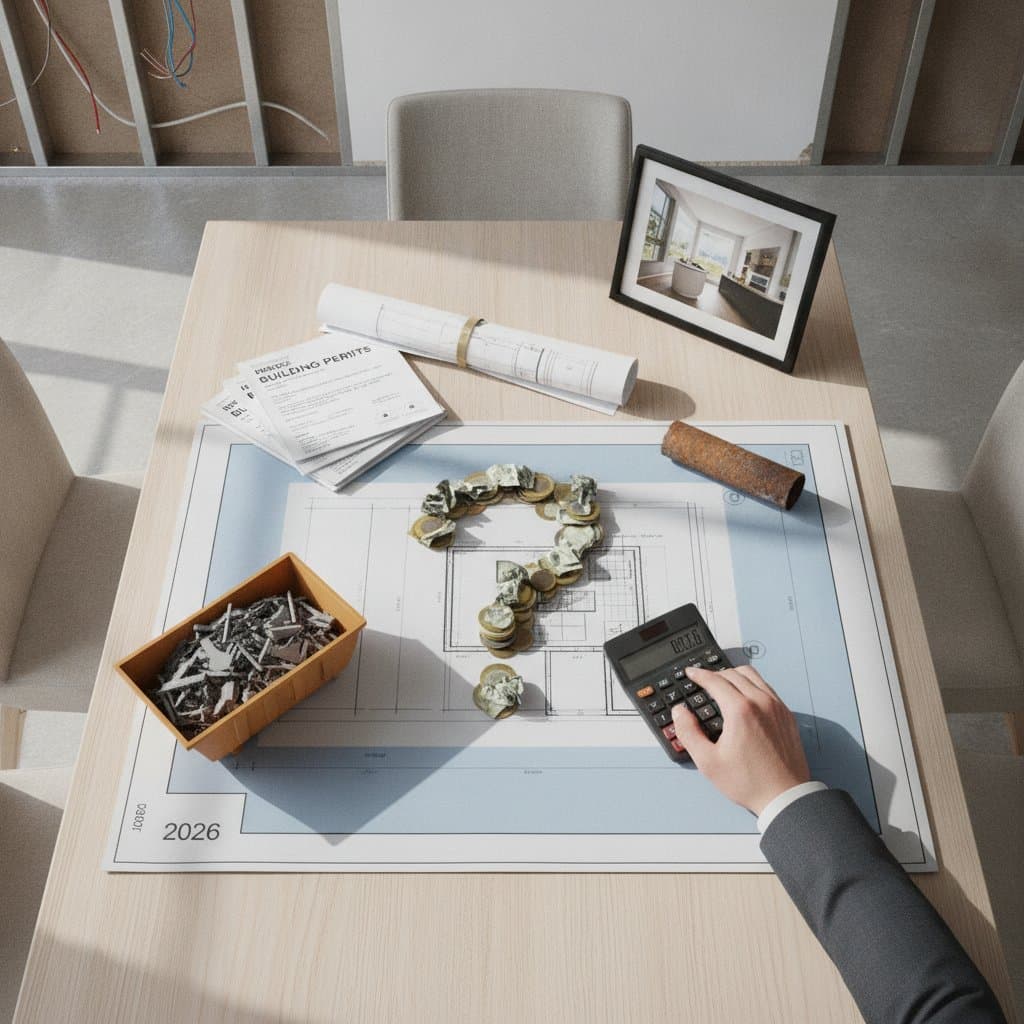
Regulatory compliance adds layers of cost that many overlook during planning. Permits for electrical, plumbing, or structural alterations, along with required inspections, accumulate quickly.
**Why it happens:**nHomeowners focus on visible elements like finishes, assuming permits form part of contractor overheads. Delays from unpermitted work can also trigger fines or rework mandates.
How to avoid it:
Research local building codes early and budget 5 to 10 percent of total costs for fees. Consult your contractor on permit responsibilities and timelines. Schedule inspections proactively to prevent project halts. Compliance not only safeguards finances but also upholds safety standards.
4. Choosing Materials Without Considering Waste or Delivery
Selecting materials marks a frequent point of budget deviation. Attention to unit pricing for tiles, flooring, or countertops often neglects ancillary expenses related to waste, transportation, and procurement delays.
Why it happens:
Orders typically reflect precise dimensions, omitting allowances for trimming, breakage, or errors. Delivery surcharges or penalties for incorrect shipments further compound oversights.
**How to avoid it:**nProcure 5 to 10 percent excess material to cover waste. For items with patterns or natural variations like tile or stone, acquire additional stock to match aesthetics. Inquire with vendors regarding shipping fees and surcharges for oversized loads. For bespoke elements, verify production timelines and integrate them into the overall schedule.
Opt for regional suppliers where feasible. Such choices diminish transport costs and expedite availability, bolstering budget adherence and punctuality.
5. Mid-Project Design Changes
Enthusiasm for enhancements mid-remodel tempts alterations that erode budgets. Swapping fixtures or layouts after work commences invites premium pricing and disruptions.
**Why it happens:**nEvolving tastes or on-site inspirations prompt impulsive decisions. Without predefined protocols, these shifts cascade into revised labor and material demands.
**How to avoid it:**nEstablish a change order process in the contract, detailing approval steps and cost implications. Finalize designs pre-construction, using mood boards or 3D renderings for visualization. If adjustments prove necessary, evaluate impacts thoroughly before proceeding. Discipline in this area preserves financial boundaries.
6. Skipping a Detailed Contract
An ambiguous or partial contract ranks among the costliest errors in remodeling endeavors. Absence of documented precision invites discrepancies regarding pricing, extent, and duties.
**Why it happens:**nReliance on oral understandings or presumptions of mutual comprehension prevails. Hesitation to request comprehensive paperwork may stem from concerns over perceived skepticism.
**How to avoid it:**nDemand a comprehensive written agreement encompassing enumerated expenses, payment timelines, change protocols, and precise material and labor delineations. Scrutinize every clause and pose inquiries prior to endorsement. Ensure provisions address contingencies like unforeseen damage or supply disruptions.
A robust contract benefits all parties. It establishes unambiguous terms and forestalls conflicts that prolong timelines and incur supplementary fees.
7. Unexpected Appliance or Fixture Upgrades
Initial plans may specify standard appliances, but desires for premium models arise during execution, inflating costs unexpectedly.
**Why it happens:**nBrowsing showrooms or observing installations sparks upgrades. Homeowners underestimate integration expenses, such as custom cabinetry adjustments or electrical modifications.
**How to avoid it:**nSelect and budget for appliances early, allocating funds for desired features. Research compatibility with existing infrastructure to anticipate adaptation costs. Stick to pre-approved selections unless alterations align with contingency reserves. This strategy curbs impulse-driven expenditures.
8. Not Accounting for Cleanup and Disposal
Debris from construction, obsolete fixtures, and surplus materials require removal. Fees for disposal, container rentals, and concluding sanitation frequently escape early estimates until completion nears.
**Why it happens:**nCleanup appears as a terminal phase, thus omitted from preliminary projections. Contractor inclusions vary, sometimes shifting burdens to owners.
**How to avoid it:**nDetermine cleanup accountability prior to contract execution. Inquire if estimates encompass dumpster charges, removal expenses, and terminal detailing. Secure independent quotations if excluded, integrating them into financial plans.
A pristine, habitable conclusion to the remodel merits forethought. It guarantees an invigorated setting, free from residual disorder and particulates.
9. Failing to Build in a Contingency Fund
Absence of a reserve for unpredictables leaves projects vulnerable to overruns from any unforeseen event.
**Why it happens:**nOptimism biases estimates toward minimal scenarios, disregarding variables like supply chain issues or minor errors.
**How to avoid it:**nSet aside 10 to 20 percent of the total budget as contingency. Track expenditures regularly and adjust as needed. Reassess reserves periodically to maintain flexibility. This buffer transforms potential crises into manageable adjustments.
Achieving Lasting Remodel Satisfaction
Upon project completion, the goal centers on relishing the upgraded space devoid of monetary remorse. Optimal remodels harmonize aesthetics, resilience, and prudent allocation.
Maintain ongoing dialogue with your contractor. Periodic reviews facilitate early detection of minor concerns. Monitor costs weekly to avert terminal shocks.
A remodel ought to elevate daily living, not impose economic pressure. Through diligent preparation, precise records, and awareness of latent expenses, realize an aesthetically pleasing evolution that adheres to fiscal limits and delivers enduring fulfillment.
Invest thoughtfully in your residence. Proper groundwork empowers confident remodeling, evasion of typical snares, and creation of motivating, fiscally stable environments.