
Unmask the Hidden Budget Killers in 2026 Kitchen Remodels
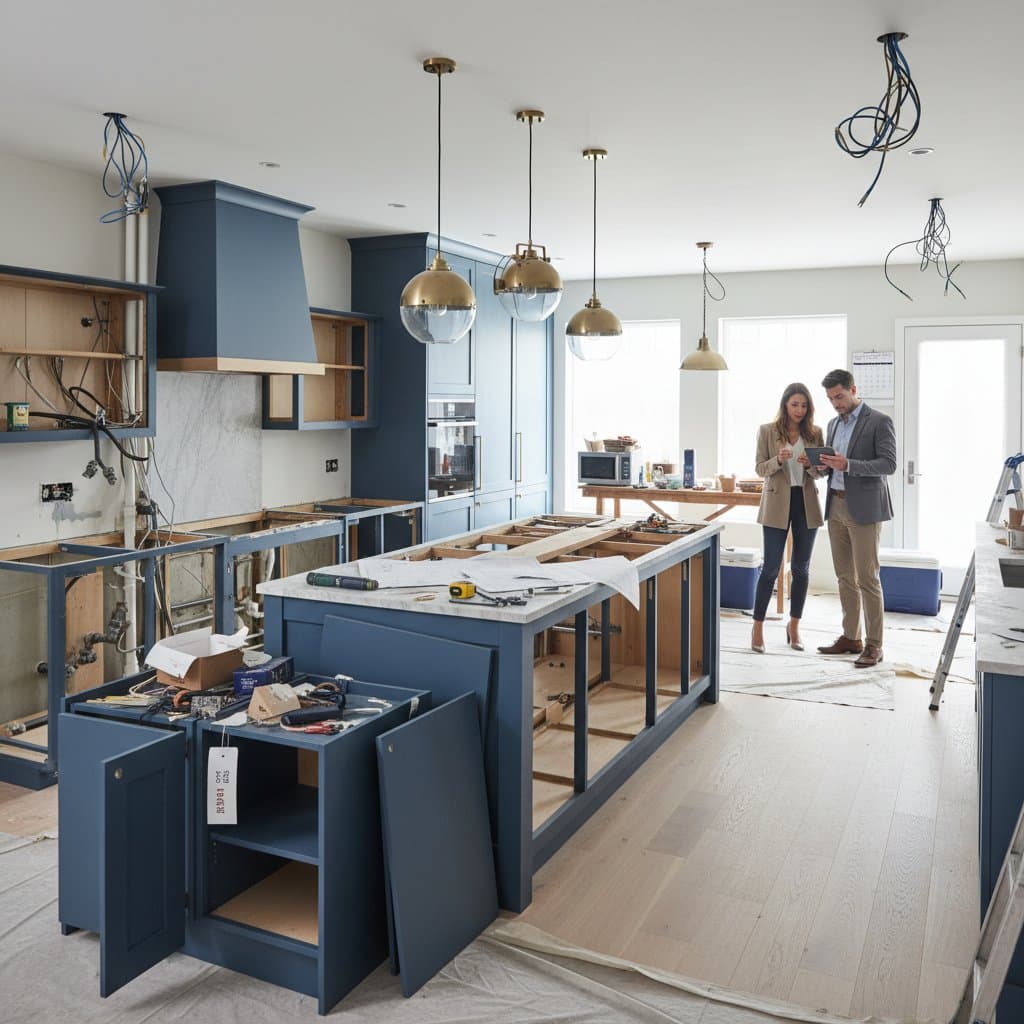
Imagine your ideal kitchen: sunlight streams over polished surfaces, cabinets operate with quiet precision, and every item finds its designated spot. This space becomes the core of family life, accommodating serene breakfasts and vibrant gatherings. However, envision the same area amid construction, with funds dwindling and the contractor detailing the need for plumbing overhauls. The initial thrill diminishes rapidly as unforeseen expenses accumulate.
Kitchen renovations spark enthusiasm through their potential for renewal, yet they harbor numerous concealed costs that catch even diligent organizers off guard. The positive aspect lies in the ability to sidestep many of these issues via meticulous planning and a grounded grasp of underlying cost drivers.
This overview dissects prevalent hidden budget drainers in kitchen projects, incorporating expert perspectives and practical approaches to maintain progress without compromising the original intent.
1. The Ripple Effects of Layout Modifications
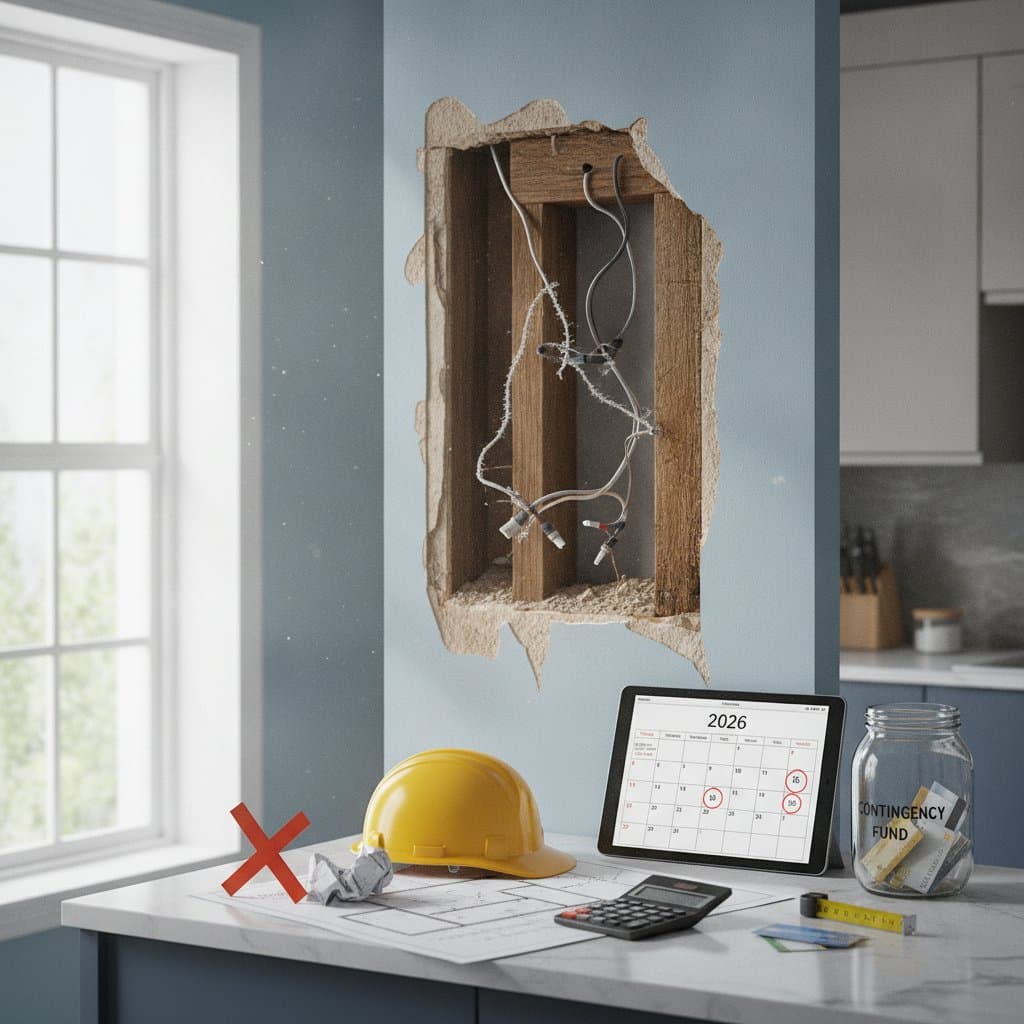
Relocating the sink to an island or repositioning the stove along a different wall appeals for its innovative appeal, but such alterations frequently initiate a sequence of additional expenditures. Relocating plumbing conduits, electrical fixtures, and gas lines proves far more intricate than depictions on blueprints suggest.
Key implications:
Each relocation of a primary fixture extends beyond material purchases to encompass labor charges, authorization fees, and possible fixes for prior perforations. A minor reconfiguration can escalate expenses significantly, given the interdependence of utility systems.
Effective strategy:
Evaluate whether the proposed layout shift genuinely enhances kitchen functionality. If the motivation remains cosmetic, retain existing plumbing and electrical configurations. Achieve a renewed aesthetic via updated surfaces, cabinet designs, and illumination without overhauling foundational elements.
2. Miscalculations with Countertops
Natural stone surfaces elevate a kitchen dramatically, but quotations often mislead by addressing only the base slab, excluding refinements such as edge treatments, sink apertures, or secure transport of substantial pieces.
Overlooked fees to inquire about:
- Fabrication expenses, covering slicing, buffing, and protection applications.
- Seam positioning, potentially demanding extra effort for uninterrupted visuals.
- Material surplus, as certain selections necessitate additional area for consistent veining.
Professional planning approach:
Solicit an itemized expense summary prior to material selection. For those drawn to marbles appearance yet wary of its upkeep and expense, explore quartz variants mimicking marble. These options demand less maintenance and typically cost less in totality. Verify that projections incorporate setup and completion processes to ascertain the complete figure.
3. Escalating Expenses from Appliance Selections
Fixtures define a kitchens character, but they risk budget disruption when true outlays emerge. Display prices seldom account for transport, assembly, exhaust modifications, or utility adaptations suited to premium units.
Anticipated concealed outlays:
- Exhaust system tweaks for commercial-grade cooktops.
- Cabinet adjustments or fortification for integrated cooling units.
- Hydration line setups for advanced dispensers or brewing apparatuses.
Expert recommendation:
Select fixtures prior to locking in cabinet or surface measurements. This averts expensive revisions when units fail to align as anticipated. Confirm assembly prerequisites with the project lead. A subtle variation in fixture specifications can influence various specialists.
4. Overlooking Backsplash and Trim Elements
After addressing major components, elements like splash guards, edging, and framing may seem secondary. Nevertheless, these zones demand exacting workmanship and unique supplies that swell the concluding bill.
Frequent omissions:
- Tile margins or accents absent from initial projections.
- Custom fillers or barriers for organic stone applications.
- Ornamental edging or overhead framing requiring bespoke fabrication.
Intentional design method:
Determine splash guard substances at the outset and validate amounts with the fitter. For complex patterns, inquire regarding surplus allowances, as designs frequently call for excess stock. This facilitates efficient procurement and prevents high-cost urgent procurements from shortages.
5. Mid-Project Alterations to Designs
Revising preferences post-commencement ranks among the costliest errors in renovations. Even modest tweaks propagate impacts on timelines, supplies, and workforce.
Cumulative reasons:
Modifying cabinet arrangements or material choices might involve resupplying, reallocating experts, or dismantling finished sections. Every phase introduces delays and charges.
Prevention tactics:
Dedicate sufficient effort to initial blueprinting. Assemble a comprehensive visual aid featuring specimens of all elements, from fittings to fillers. Upon starting the build, adhere to the blueprint barring essential modifications. Finalizing choices early streamlines execution.
Maintaining Your Renovated Kitchen
With the renovation finished, dedicate moments to appreciate the outcomes and consider the elements that ensured success. A thoughtfully designed kitchen transcends mere updates.
To sustain its condition:
- Routinely cleanse and protect organic materials.
- Arrange periodic checks for fixtures and air circulation units.
The greatest fulfillment from any renovation emerges in inhabiting the envisioned environment. By pinpointing budget threats in advance, individuals safeguard resources and render the kitchen project as gratifying as the cuisine it will host.
Through deliberate foresight, transparent dialogue, and pragmatic fund allocation, realize the envisioned kitchen absent monetary shocks concealed within structures.