

Hidden Costs That Shock Remodel Budgets
Homeowners envision seamless remodeling experiences that adhere strictly to budgets. However, nearly every project conceals unexpected challenges within the structure. The abundance of design options and materials fuels enthusiasm during planning, yet true achievement depends on recognizing factors that trigger surprise expenditures. The following insights equip you to foresee and mitigate those financial pitfalls.
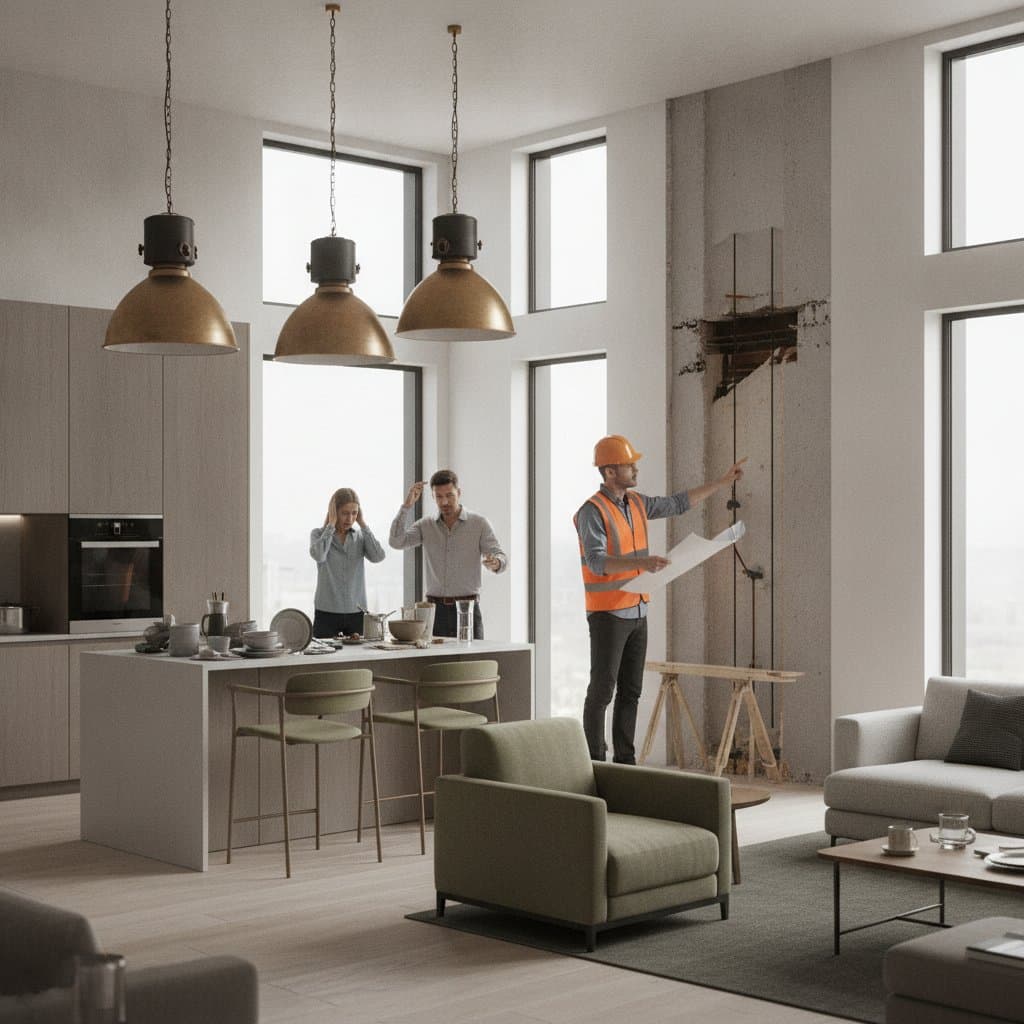
1. Structural Surprises Beneath the Surface
Problem: Renovators frequently presume that current framing remains intact and reliable.
Context: Older properties often harbor concealed deterioration from water infiltration or obsolete construction techniques, necessitating extensive repairs.
Solution: Allocate funds specifically for structural assessments. Direct your contractor to examine framing, joists, and subfloors prior to any demolition activities.
Technical Detail: Engaging a structural engineer for an initial assessment typically incurs a fee of several hundred dollars, yet it averts potential thousands in subsequent change orders.
Benefit: Such proactive measures yield a durable remodel and eliminate disruptions during the construction phase.
2. Electrical and Plumbing Upgrades
Problem: Projects routinely reveal inadequate wiring or deteriorated piping systems.
Context: Planning efforts concentrate on visible finishes while overlooking essential behind-the-wall infrastructure.
Solution: Insist on a comprehensive mechanical systems evaluation before approving final designs.
Technical Detail: Transitioning to contemporary electrical panels or flexible PEX piping involves upfront investment, but enhances overall safety and operational efficiency.
Benefit: These upgrades safeguard long-term value and ensure adherence to current codes without abrupt interruptions.
3. Permitting and Code Compliance
Problem: Individuals often undervalue the expenses associated with permits and mandatory inspections.
Context: Local ordinances differ significantly, and noncompliance risks suspending operations entirely.
Solution: Verify all necessary permits at the outset and incorporate their costs into the overall budget.
Technical Detail: Fees for building permits generally range from one to five percent of the project's total value, varying by complexity and jurisdiction.
Benefit: Early compliance secures smooth progression and spares you from expensive corrective actions.
4. Site Preparation and Disposal
Problem: Planners commonly omit provisions for demolition, debris removal, and site restoration.
Context: These preparatory elements prove vital but seldom appear in preliminary quotations.
Solution: Demand a thorough project scope that encompasses waste disposal and any required land grading.
Technical Detail: Costs for dumpster rentals and disposal services escalate rapidly, particularly when handling substantial volumes of dense materials like concrete or lumber.
Benefit: Organized site management preserves allocation for finishing elements and curbs unanticipated outlays.
5. Hidden Moisture and Mold Issues
Problem: Water-related damage concealed behind walls or beneath floors typically emerges only during teardown.
Context: High-risk areas include bathrooms, kitchens, and basement spaces prone to humidity.
Solution: Schedule a dedicated moisture inspection or employ infrared imaging technology prior to committing to expense projections.
Technical Detail: Effective remediation demands professional drying equipment, replacement insulation, and installation of moisture-resistant barriers.
Benefit: Addressing these concerns fosters a salubrious living space and bolsters the longevity of subsequent installations.
6. Material Overages and Delivery Fees
Problem: Initial estimates account solely for fundamental material volumes, ignoring extras.
Context: Factors such as installation waste, transportation charges, and custom procurement inflate totals.
Solution: Build in a ten percent buffer for material surpluses and associated delivery expenses.
Technical Detail: Materials like ceramic tiles, solid hardwood flooring, and natural stone necessitate additional quantities to accommodate cutting losses, pattern matching, and inevitable breakage.
Benefit: This approach sustains aesthetic uniformity and eliminates the need for hurried sourcing of compatible substitutes.
7. Design Changes Mid-Project
Problem: Adjustments to layouts occur after construction commences, complicating progress.
Context: Modifications influence multiple trades, material requirements, and timelines.
Solution: Lock in all measurements and selections well before submitting permit applications.
Technical Detail: Even a minor layout alteration demands revised blueprints, reframing efforts, and coordination with delayed subcontractors, amplifying costs across the board.
Benefit: Firm decisions from the start streamline execution and minimize financial ripple effects.
8. Temporary Living and Accessibility Costs
Problem: Arrangements for enduring construction disruptions receive insufficient attention.
Context: Households require alternative accommodations or secure storage during upheaval.
Solution: Reserve funds for interim housing options or implement phased work to preserve habitable zones.
Technical Detail: Expenses arise from renting portable storage containers, erecting dust barriers, and setting up provisional utilities, all of which enhance daily usability.
Benefit: Thoughtful planning reduces stress and maintains productivity throughout the renovation.
Securing Your Remodel's Financial Foundation
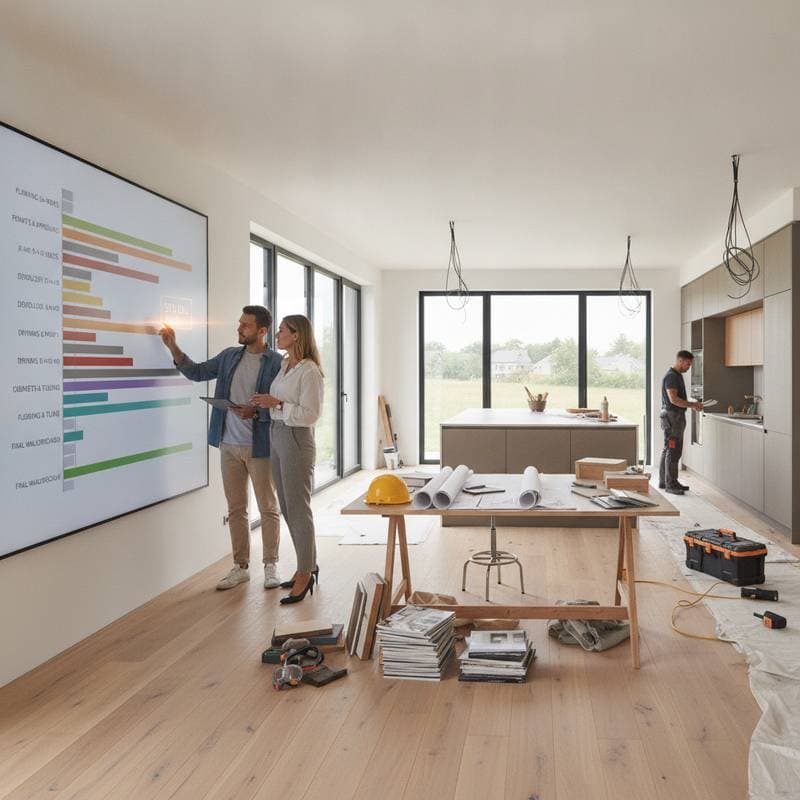
Unforeseen expenses threaten to undermine meticulously crafted remodeling strategies. Success hinges on proactive exploration of concealed elements within structures, beneath surfaces, and amid regulatory frameworks. View your budget as an evolving tool: consult with your contractor periodically, and reserve ten to fifteen percent as a safeguard against contingencies. This disciplined approach delivers a renovation that aligns with your vision while preserving fiscal stability.