Hidden Kitchen Costs That Surprise Remodelers in 2026
Kitchen remodel searches have risen more than forty percent according to recent design platform data. Homeowners seek modern layouts and better function. Yet glossy images often mask expenses that expand budgets without warning. These surprises affect projects of every scale.
This guide identifies the most common hidden costs. It explains their impact and offers practical steps to manage them during planning.
Structural Surprises
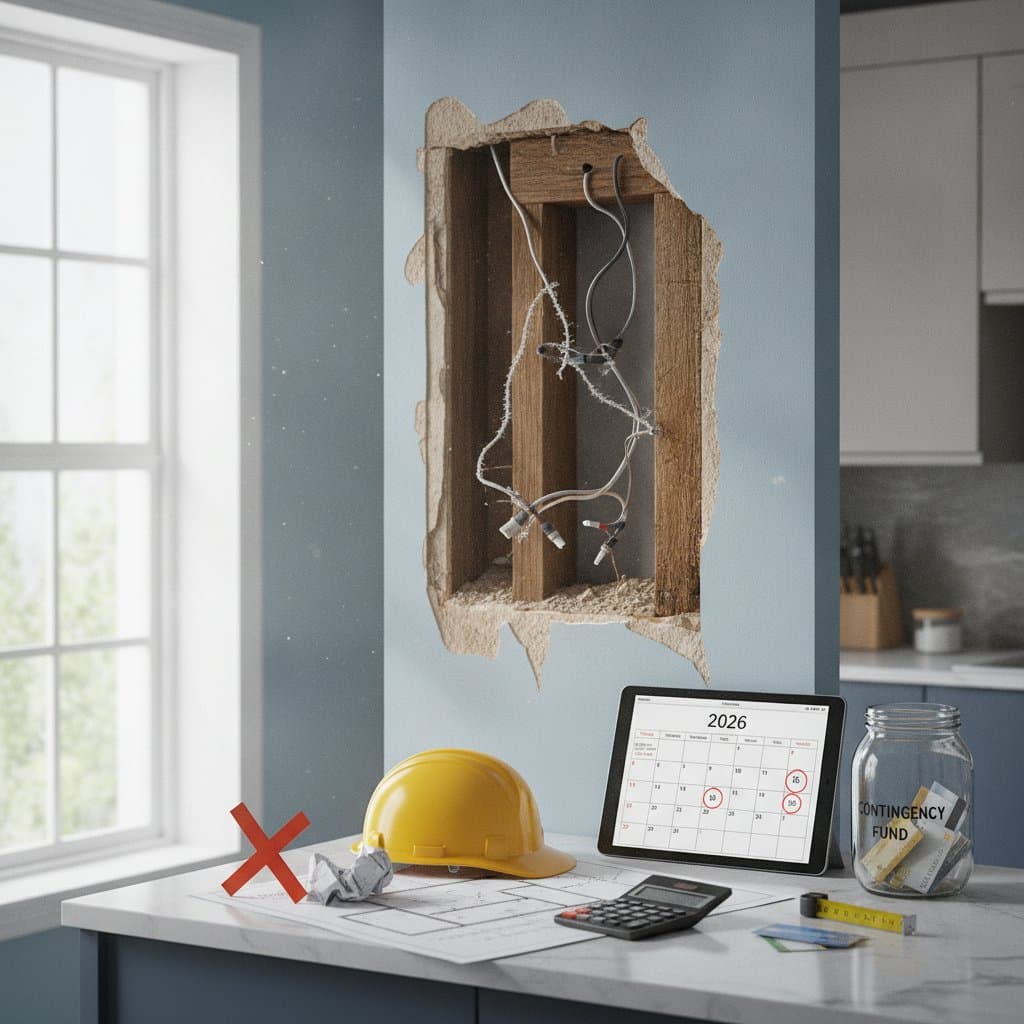
Hidden structural damage often appears once walls are removed. Contractors encounter water damage, termite activity, or weakened floor joists. Early inspection by a structural engineer can reveal these issues before demolition begins.
Designer credit: Coastal Form Studio, Charleston
Materials: reclaimed oak beams, white shiplap paneling
A Charleston bungalow project revealed moisture damage near an old sink. Reinforcement of the subfloor and framing added time and expense. The work prevented mold and delivered lasting stability. The result is a durable coastal style that maintains value for years.
Custom Cabinet Adjustments
Stock cabinets suit standard spaces. Older homes frequently present uneven walls or irregular corners that demand modifications. Measuring walls at multiple points helps identify needs before ordering.
Designer credit: Denby Studio, Portland
Materials: walnut veneer panels, matte white lacquer fronts
A craftsman kitchen required custom trim and reconfigured boxes to fit bowed walls. The adjustments increased cost yet produced a seamless, furniture-like appearance. The kitchen now reads as a single cohesive element rather than a collection of gaps.
Permit and Inspection Fees
Permit costs vary by city and project scope. Older homes may trigger additional electrical, plumbing, and mechanical reviews. Requesting a full fee schedule from the local building department at the outset prevents later additions.
Designer credit: Atelier North, Minneapolis
Materials: pale birch cabinetry, polished chrome pulls
One project revealed separate charges for each trade inspection after cabinet costs were already set. Compliance documentation supports smoother future resale. The finished details appear more reliable when the entire project meets current codes.
Finishing Details
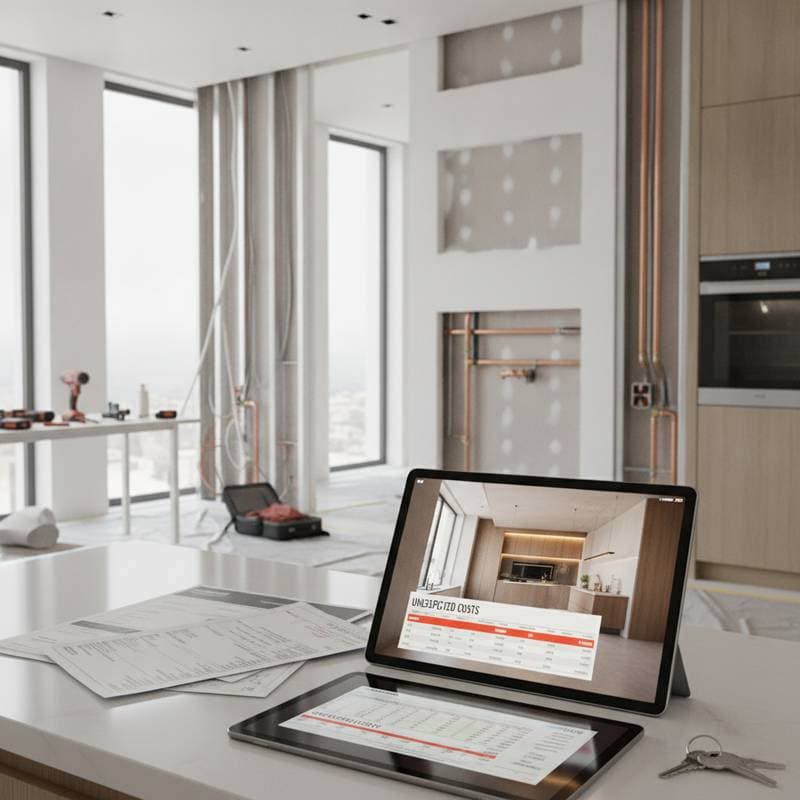
Hardware, under-cabinet lighting, and trim often sit outside initial estimates. These elements shape daily experience and visual cohesion. Selecting them during the design phase allows wiring and blocking to be installed while walls remain open.
Designer credit: Nova Collective, New York City
Materials: burnished nickel pulls, satin glass pendants
A Manhattan kitchen received pendant fixtures after drywall was complete. Additional wiring runs raised installation expense. The final lighting still provides warmth and focus that completes the room.
Temporary Living Costs
A nonfunctional kitchen shifts meals to restaurants or temporary setups. These costs accumulate over weeks or months. Planning a compact kitchenette with a microwave, induction cooktop, and under-counter refrigerator limits daily disruption.
Designer credit: Maren Holt Interiors, San Diego
Materials: light oak cabinetry, pale terrazzo countertops
Clients frequently overlook dining alternatives during the planning stage. A small dedicated zone preserves routine and controls spending. The completed terrazzo surfaces then deliver greater satisfaction after the period of adjustment.
Budget Planning Steps
Review every major system with your contractor before work starts. Allocate a contingency of fifteen to twenty percent for discoveries. Schedule regular budget reviews at each project milestone. These actions convert potential overruns into controlled investments that support both function and long-term enjoyment.