Overlooked Expenses That Blow Up Your Kitchen Budget
Data from several home renovation platforms shows that kitchens top the list of most expensive remodels. They average the highest cost overruns among all interior projects. The reason is rarely the cabinetry or countertops alone. Hidden costs lurk behind walls, under floors, and inside contracts.
This guide uncovers those overlooked expenses that quietly derail even the most carefully planned kitchen budgets. You will see what triggers them, how professionals manage them, and what practical steps you can take to stay in control.
1. Electrical Upgrades
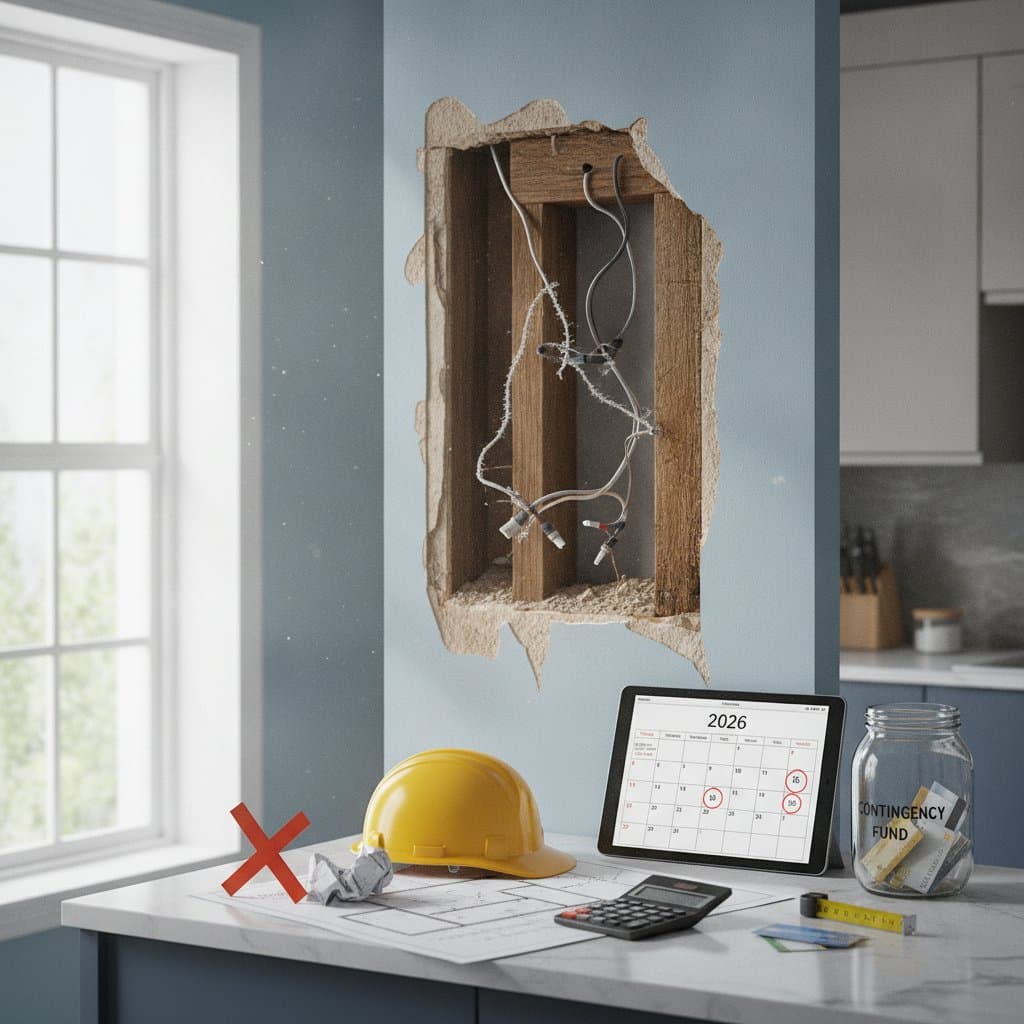
The visual focus of a kitchen might be cabinetry or lighting. The real expense often hides in the wiring. Older homes rarely meet current electrical standards. Adding new appliances or LED task lighting can overload outdated systems.
When a designer renovated a historic townhouse kitchen in Boston, old aluminum wiring required complete replacement. The update added copper wiring, recessed LED fixtures, and a new circuit panel. It increased safety and supported modern appliances, but also added nearly ten percent to the total project cost.
Electrical upgrades are non-negotiable once discovered. They improve both functionality and resale value. Allocate a contingency fund of at least ten percent of your total budget for potential electrical or plumbing updates.
2. Structural Surprises
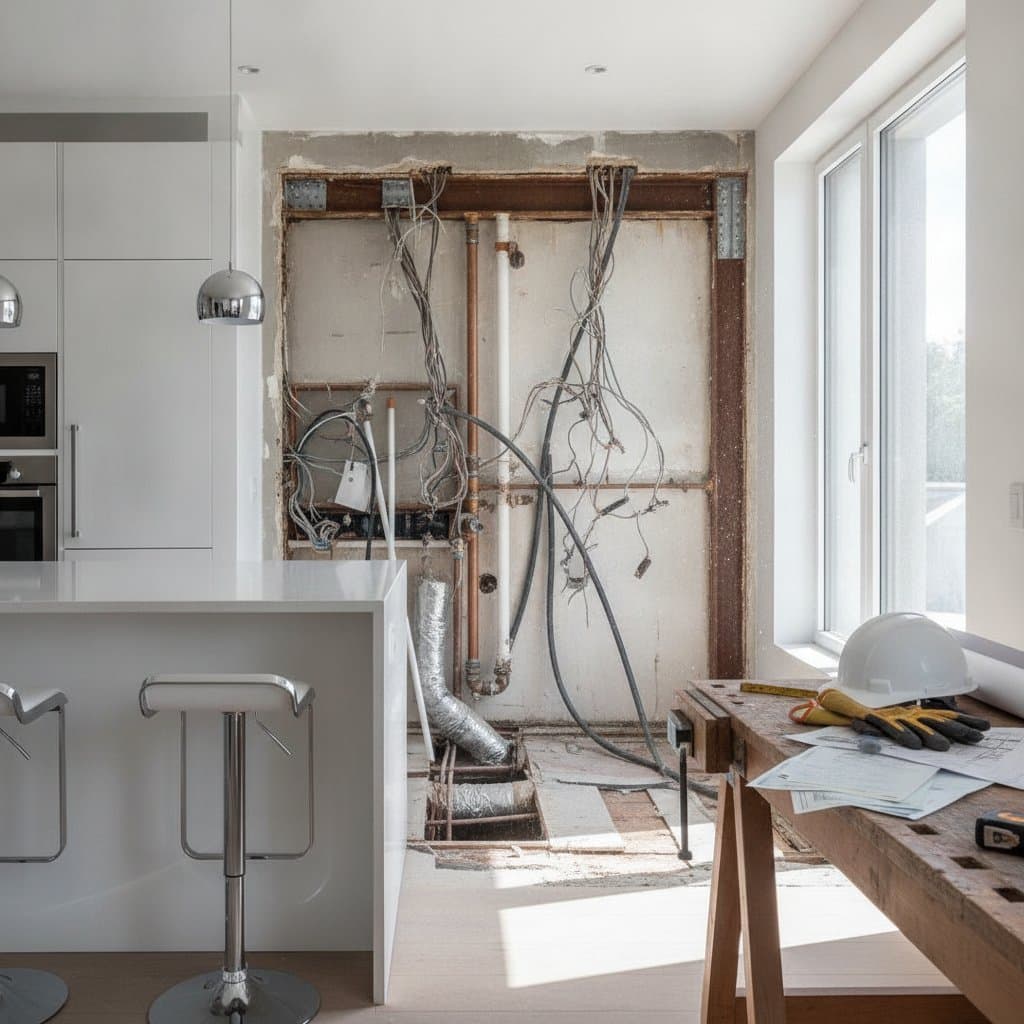
Removing walls to create open layouts is one of the most popular kitchen trends. It can lead to structural surprises. Hidden beams, plumbing stacks, or load-bearing supports often appear mid-demolition. These force expensive redesigns.
A designer recalls a downtown loft where a simple wall removal revealed a steel support column. The team had to design around it using a custom oak shelving structure and matte black brackets. The additional labor and materials cost several thousand dollars.
Structural discoveries demand immediate attention to maintain safety. Invest in a professional assessment that includes a structural engineer review before demolition.
3. Appliance Installation Fees
Appliances are often priced attractively during sales. Installation costs can double what you expected. Gas lines, venting, and specialty electrical connections each add fees. Built-in refrigerators often require custom cabinetry modifications and reinforced flooring.
A client European range required a conversion kit and a licensed technician to modify the gas connection. The appliance itself was within budget. Installation added another fifteen percent.
Request itemized installation quotes before purchasing any major appliance. Include vent hoods, dishwashers, and wall ovens.
4. Plumbing Relocation
Shifting a sink or dishwasher across the room may look simple on paper. Plumbing relocation involves complex work beneath floors and inside walls. Every foot of new pipe adds labor time and materials.
A designer reimagined a galley kitchen by moving the sink to a window wall. The finished view was stunning. The plumbing relocation required rerouting drain lines through a concrete slab. This increased costs by almost twenty percent.
Keep plumbing fixtures in their original locations when possible. Confirm all routing options before finalizing floor plans if relocation is necessary.
5. Ventilation and Ductwork
Proper ventilation is the unsung hero of a healthy kitchen. A high-powered range hood without adequate ducting can trap moisture and grease. This damages cabinetry and walls.
A designer upgraded a compact condo kitchen with a vented range hood using brushed stainless steel ductwork. The sleek industrial look complemented the quartz counters and walnut cabinetry. Cutting through multiple layers of concrete and insulation added unplanned expenses.
During planning, verify whether your range hood will vent outside or recirculate air. External venting requires additional labor and materials.
6. Custom Cabinet Adjustments
Even factory-built cabinetry can require on-site adjustments once walls reveal uneven measurements. Custom fillers, trim pieces, or new hardware holes can add both labor and material costs.
A designer encountered this in a coastal kitchen renovation where slightly uneven walls meant the upper cabinets had to be refitted. She used matching veneer panels and concealed LED strips to balance the look. The changes added an extra week to the project schedule.
Ask your contractor to measure after drywall installation and before ordering cabinets. This step helps prevent costly rework.
7. Lighting Layer Costs
A single overhead fixture no longer satisfies modern design expectations. Layered lighting, including under-cabinet LEDs, pendants, and recessed lights, creates flexibility. It increases wiring, dimmer, and control costs.
A designer revamped a suburban kitchen using a mix of matte glass pendants and warm under-cabinet LED strips. The layered lighting elevated the space to feel both functional and atmospheric. The extra fixtures and dimmer systems raised the electrical cost by nearly twenty-five percent.
Decide on lighting layers early. Specify fixture types and locations before electrical work begins.
8. Finishing Touches and Hardware
Handles, knobs, and pulls appear minor until multiplied across dozens of cabinet doors. Quality hardware, especially in brass or bronze finishes, adds up quickly.
A designer selected solid brass pulls and soft-close hinges for a modern farmhouse kitchen. The tactile quality elevated the cabinetry to an artisanal level. Hardware alone cost several thousand dollars more than basic options.
Choose hardware early. Order samples and calculate total quantities before committing.
9. Permits and Inspections
Many homeowners forget that even small kitchen projects may require building permits. Fees vary by city and depend on the scope of electrical and structural work. Missed permits can delay final inspections and even affect resale value.
A designer handled a kitchen remodel where a missing electrical permit halted progress for two weeks. The delay extended labor timelines and rental costs for temporary cooking arrangements.
Discuss permit requirements with your contractor before signing contracts. Factor inspection timelines into your schedule.
10. Temporary Living Costs
Renovating a kitchen means losing access to cooking and cleaning spaces for weeks. Eating out or setting up a temporary kitchenette adds ongoing expenses that many homeowners forget.
When one family renovated their kitchen, they created a makeshift setup in the laundry room using a toaster oven and mini fridge. Even with that, takeout costs climbed fast. Lifestyle expenses are part of the renovation reality.
Plan ahead with easy meal solutions. Include a cushion for dining expenses in your total renovation budget.
Managing Your Project Timeline
Review every line item with your contractor at the contract stage. Update the contingency fund as discoveries arise. This approach keeps surprises from derailing the entire project.