
Breaking Down 2026 Open-Concept Kitchen Remodel Costs
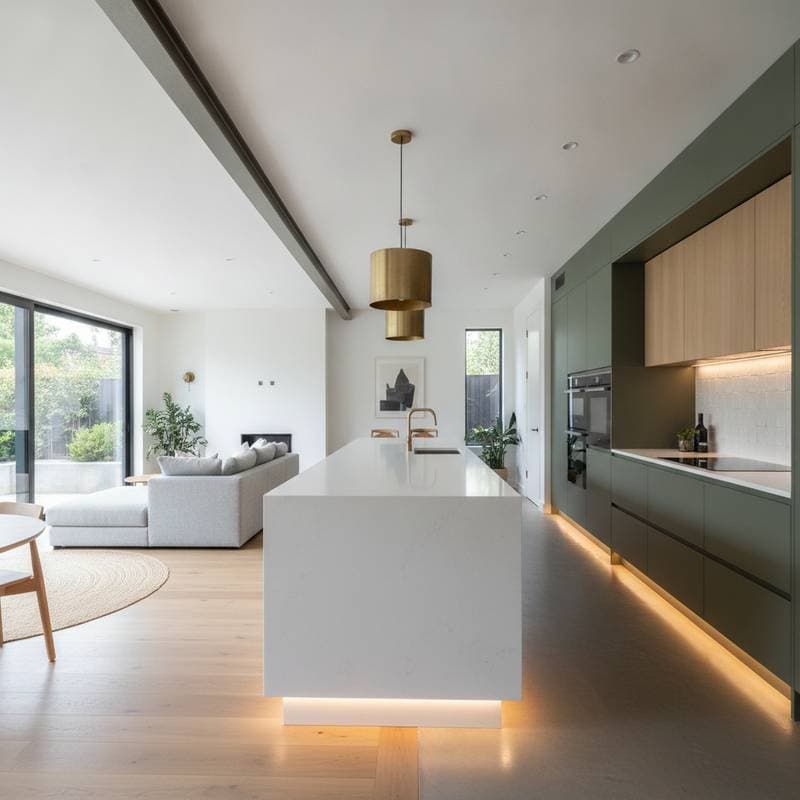
Open-concept kitchens continue to rank among the most popular renovation choices. These designs bring light, connection, and flexibility to older floor plans. They turn compartmentalized spaces into fluid living areas where families cook, converse, and relax together. The costs behind this flow involve structural changes, material selections, and professional coordination.
This guide examines the expenses tied to open-concept kitchen remodels. It covers wall removal, lighting updates, countertop choices, and utility rerouting. Contractor data and designer examples illustrate cost drivers and practical savings strategies.
Wall Removal: The Hidden Investment
Wall removal defines most open kitchen projects. Costs vary sharply based on whether a wall bears structural loads. Non-load-bearing walls typically require a few thousand dollars to remove. Load-bearing walls demand engineering assessments and reinforcement, which can multiply expenses several times over.
One Portland bungalow project replaced a central load-bearing wall with a laminated veneer lumber beam. The beam received a white oak panel wrap that doubled as an architectural accent. This choice preserved ceiling support while creating a visual boundary for the kitchen zone. Sightlines opened from the cooking area to the dining space, and natural light reached farther into the home.
Lighting: Layered and Strategic
Removal of walls requires a fresh lighting approach. A single fixture no longer serves an entire room. Layered plans combine task lighting, ambient sources, and accent elements across the expanded area.
A Chicago loft installation used matte black track lighting alongside recessed LED downlights above the island. Smoked glass pendants added warmth near the dining zone. Adjustable tracks and dimmer switches let homeowners shift intensity for cooking or social events. The mix of sources defined functional areas without physical dividers.
Countertops and Islands: The New Centerpiece
Large islands often serve as prep surfaces, dining spots, and social hubs. Material selection matters because these elements anchor the open layout visually.
A San Diego coastal project featured a waterfall island finished in Calacatta quartz on three sides. The slab continued into a breakfast bar supported by rattan stools. Hidden storage, an integrated wine refrigerator, and outlets along the seating edge increased daily utility. Continuous veining across surfaces created a single focal point that linked kitchen and living areas.
Plumbing and Electrical: The Invisible Costs
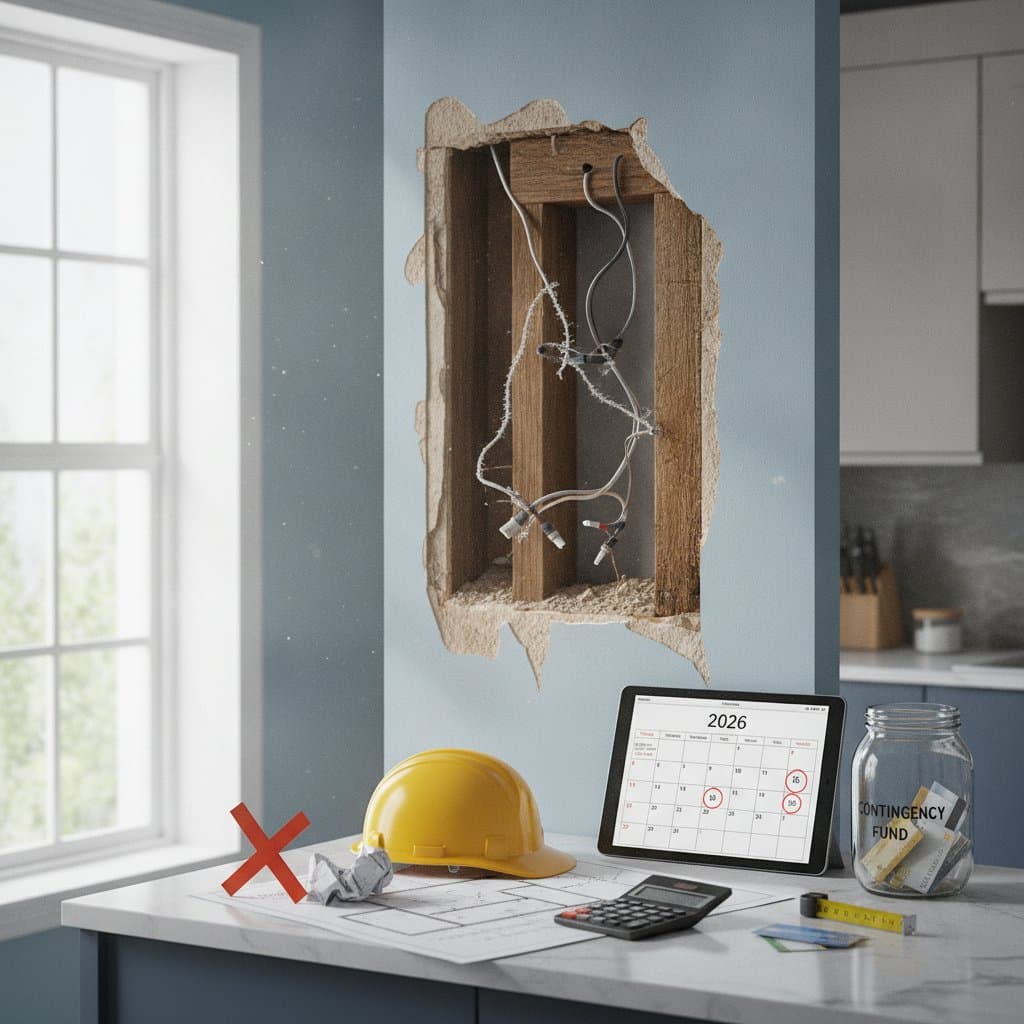
Rerouting plumbing and electrical lines frequently consumes a notable share of the budget. Moving a sink to an island or adding recessed fixtures requires cuts into floors and ceilings followed by refinishing work.
A Seattle craftsman renovation relocated the sink from an exterior wall to a central island. Matte black fixtures and a composite granite basin formed the new station. The layout improved workflow and allowed the cook to face the dining area during meal preparation. The dark fixtures provided contrast against lighter quartz surfaces.
Permits and Professional Labor
Structural changes, plumbing shifts, and electrical updates require permits and inspections in most jurisdictions. Licensed professionals coordinate engineers, tradespeople, and officials to maintain compliance and safety.
An Austin homeowner engaged a builder to secure all permits before interior wall removal. Early coordination among specialists prevented delays and protected the long-term value of the property. The finished space appeared simple, yet it resulted from careful regulatory management.
Smart Savings Without Sacrificing Design
Open-concept projects can stretch budgets. Strategic decisions help control costs while preserving quality.
- Retain existing plumbing lines whenever possible to avoid added labor.
- Consider partial wall removal or archways that open sightlines without full structural work.
- Combine premium countertop material on the island with standard surfaces elsewhere.
- Prioritize layered lighting early because brightness alters perceived space size.
- Consult designers at the planning stage to limit mid-project revisions.
Maximizing Long-Term Value
Thoughtful material choices and professional oversight deliver a kitchen that functions well daily and supports future resale. Focus on durable surfaces, efficient lighting controls, and code-compliant infrastructure to protect the investment over time.