

8 Golden Rules for Managing Remodel Costs as Tariffs Rise
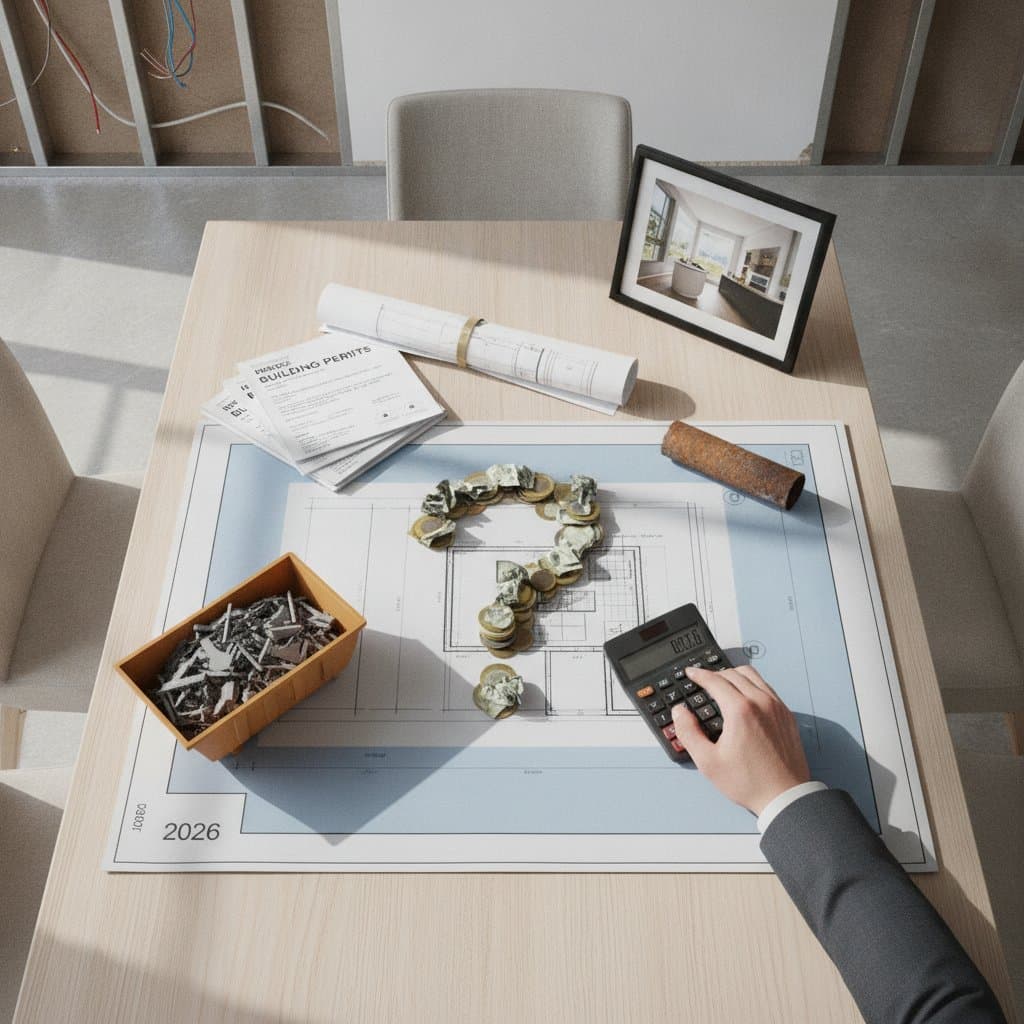
Rising tariffs scheduled for 2026 are pushing material prices higher across common remodel categories. Homeowners who apply disciplined planning can still complete projects on budget while preserving quality and performance.
Start with a Precise Scope Document
Create a room-by-room scope that lists every material, finish, and fixture before any pricing discussions begin. This document reduces change orders that often carry premium costs when tariffs are active.
Include dimensions, quantities, and acceptable alternates for each item. Share the finished document with every tradesperson so bids reflect identical assumptions.
Prioritize Domestic or Tariff-Exempt Sources
Compare current pricing between imported and domestic options for lumber, steel, appliances, and tile. In many cases the domestic alternative now carries a smaller premium than it did before tariff announcements.
Request mill certificates or country-of-origin documentation early. This step prevents last-minute substitutions that disrupt both schedule and cost.
Purchase Long-Lead Items Before Tariffs Take Effect
Identify products with lead times exceeding eight weeks and place orders as soon as drawings are approved. Secure pricing and availability while current rates remain in place.
Store materials in a climate-controlled location or arrange bonded warehouse holding if your site is not ready. The modest storage fee is usually far less than the projected tariff increase.
Apply Value Engineering at the Design Stage
Review each major assembly for opportunities to reduce material volume without sacrificing function. Examples include shifting from solid wood cabinetry to high-quality plywood boxes with solid wood doors, or selecting engineered stone over natural stone in less visible areas.
Document every accepted substitution with performance data so future maintenance remains straightforward.
Build a Tariff-Adjusted Contingency
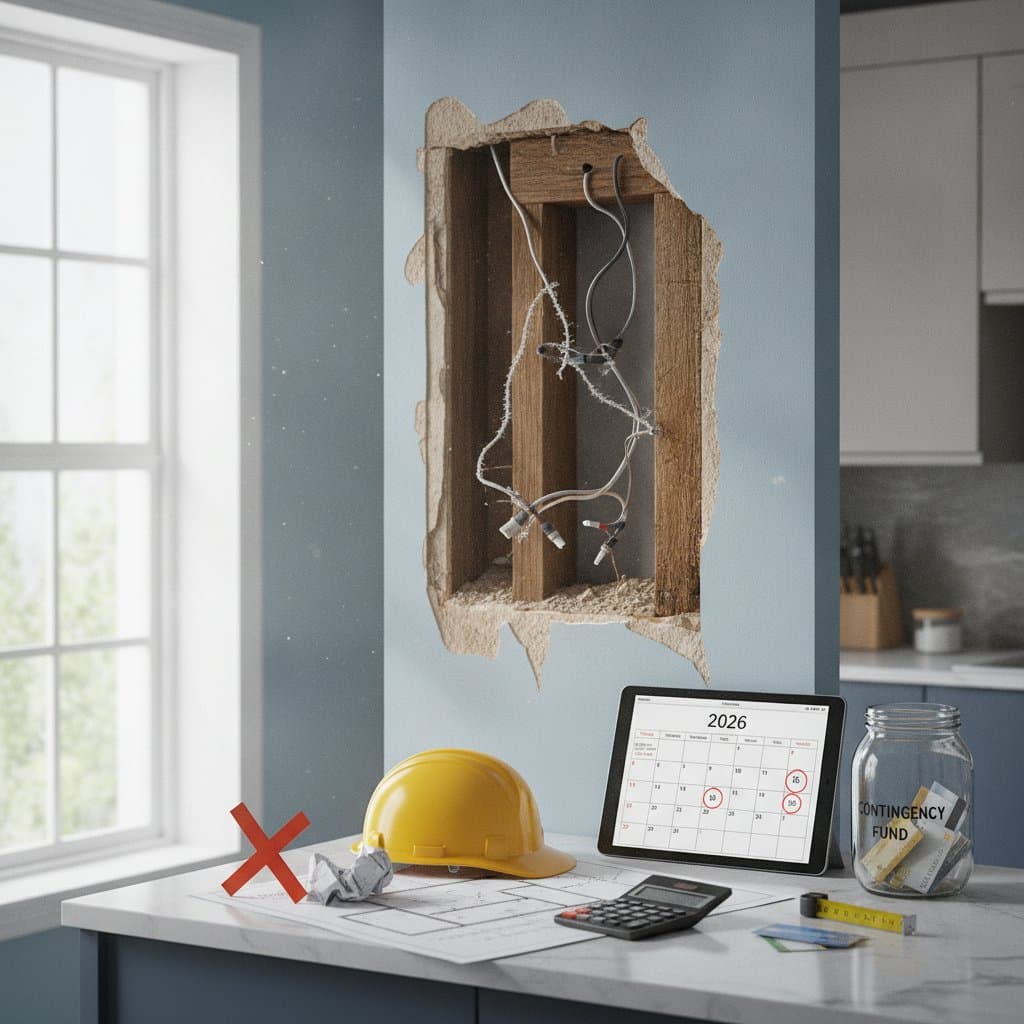
Increase the standard contingency line from ten percent to fifteen percent when tariff exposure exceeds thirty percent of material costs. Track draws against this reserve separately from the base budget.
Review the contingency status at each billing cycle so corrective actions can occur before funds are exhausted.
Focus Upgrades on High-Impact Zones
Concentrate premium materials where daily use and visual impact are greatest, such as kitchen countertops and primary bathroom fixtures. Use durable yet economical finishes in secondary spaces.
This targeted approach protects both daily experience and resale value while limiting overall material spend.
Evaluate Lifecycle Costs Alongside First Cost
Compare initial purchase prices against expected maintenance cycles and energy performance. Products with longer service lives often offset higher upfront costs even after tariff adjustments.
Request warranty terms and replacement part availability in writing before final selection.
Maintain Direct Communication With Suppliers
Establish a single point of contact at each key supplier and request weekly price and availability updates. Early notice of increases allows rapid substitution decisions.
Keep a shared price log that includes date, quoted price, and tariff status for every major item. This record supports accurate forecasting throughout the project.
Protect Long-Term Value
Applying these rules in sequence keeps both immediate expenses and future ownership costs under control. The result is a finished remodel that meets performance goals without budget overruns driven by tariff volatility.