
Hidden Costs in Kitchen Remodels and How to Manage Them
Imagine a kitchen that flows seamlessly with your daily routine, featuring durable surfaces and efficient storage solutions. The vision of such a space drives many homeowners to undertake remodels, yet unforeseen expenses frequently disrupt financial plans. By identifying these potential pitfalls early, individuals can allocate resources more effectively and complete projects without undue strain.
Preparation involves reviewing historical data from similar renovations and consulting professionals for accurate estimates. This approach minimizes surprises and ensures the final result aligns with both aesthetic goals and practical needs. Below, explore common hidden costs and strategies to address them.
Structural Issues Uncovered During Demolition
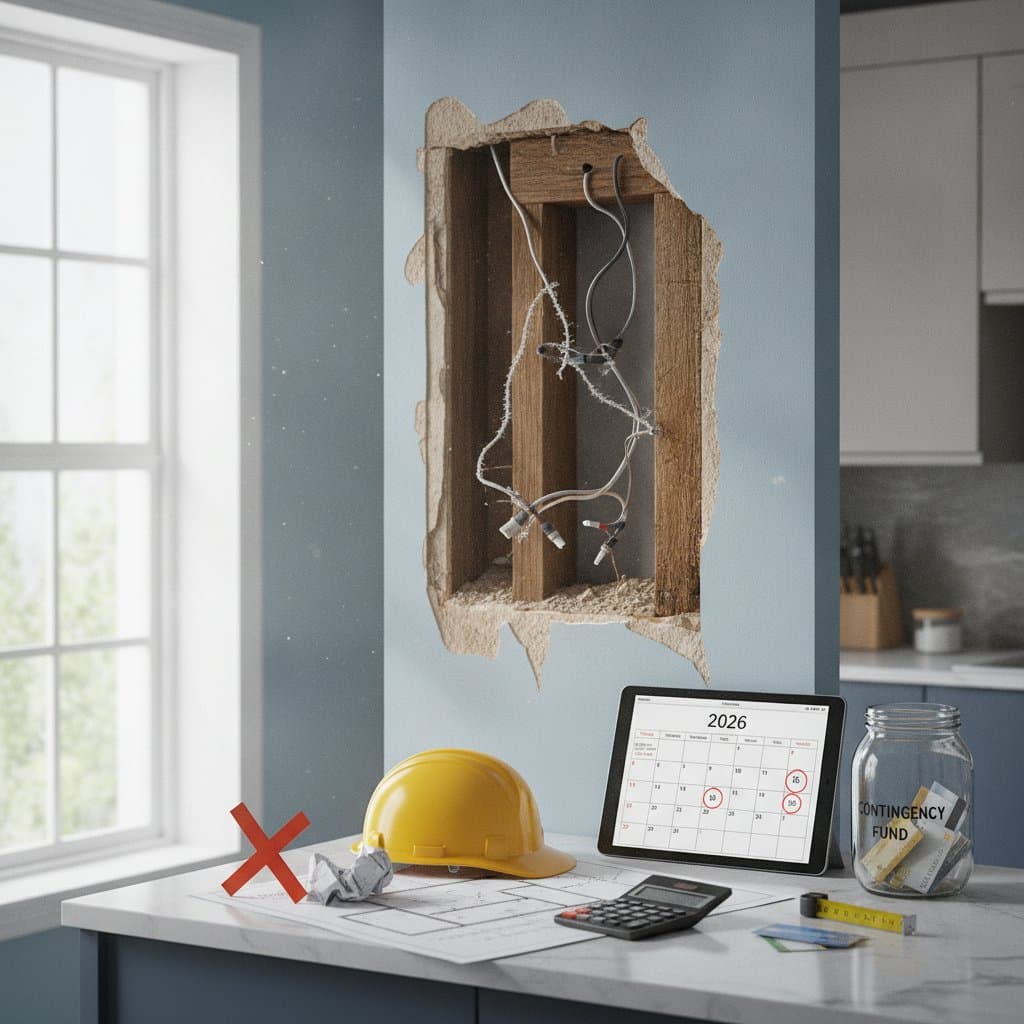
Demolition often reveals underlying problems that were not visible during initial assessments. Outdated electrical wiring may require complete replacement to meet current safety codes, while subfloor damage from water exposure demands reinforcement. Plumbing lines that do not comply with contemporary standards might need rerouting, adding significant labor and material expenses.
To mitigate these risks, hire a structural engineer for a pre-demolition inspection. This step identifies issues proactively and allows for precise budgeting. Allocate a contingency fund of 10 to 15 percent of the total project cost to cover such discoveries without halting progress.
Escalating Expenses for Custom Cabinetry
Cabinetry represents a substantial portion of remodel budgets, with prices varying widely based on customization levels. Stock options provide affordability but limited flexibility, whereas semi-custom pieces offer personalization at a moderate increase. Full custom designs, involving unique dimensions or premium materials like exotic hardwoods, can elevate costs exponentially.
Evaluate storage requirements by mapping out utensil and appliance placements. Opt for semi-custom cabinets with features such as pull-out drawers for pots and adjustable shelving for dishes. This balances functionality with expense, avoiding unnecessary upgrades that do not enhance usability.
Appliance Selections That Exceed Expectations
Selecting appliances marks a pivotal phase, where initial choices can lead to unplanned expenditures. A basic refrigerator might evolve into a model with integrated water dispensers and energy-saving modes, inflating the budget. High-end ranges with convection capabilities or induction cooktops introduce additional wiring needs.
Prioritize essentials by assessing cooking frequency and family size. For occasional bakers, a standard oven suffices over a double-wall unit. Research models with strong warranties and compare energy ratings to reduce utility bills over time, ensuring selections support long-term value.
Electrical and Lighting Installations
Modern kitchens demand robust electrical systems to power multiple devices safely. Installing recessed ceiling lights requires precise wiring runs, while under-cabinet LED strips add focused task lighting. Pendant fixtures over islands contribute ambiance but necessitate reinforced ceiling supports in older structures.
Many homes built before 1980 require service panel upgrades to accommodate increased loads from appliances like induction ranges. Request a comprehensive electrical plan from your electrician, including load calculations and fixture layouts. Choose dimmable, energy-efficient options to lower installation complexity and ongoing energy use.
Challenges with Countertop Materials and Fabrication
Countertops influence both aesthetics and durability, yet their installation involves overlooked fees. Natural stone slabs, such as granite, incur costs for templating, cutting around fixtures, and sealing to prevent stains. Waterfall edges or integrated drains demand additional fabrication time and skilled labor.
Transportation of heavy materials from quarries adds to expenses, particularly in remote areas. Engineered alternatives like quartz provide similar visual appeal with greater resistance to scratches and heat. Measure spaces accurately before ordering to avoid costly resizing, and select finishes that align with maintenance preferences.
Navigating Permits and Regulatory Requirements
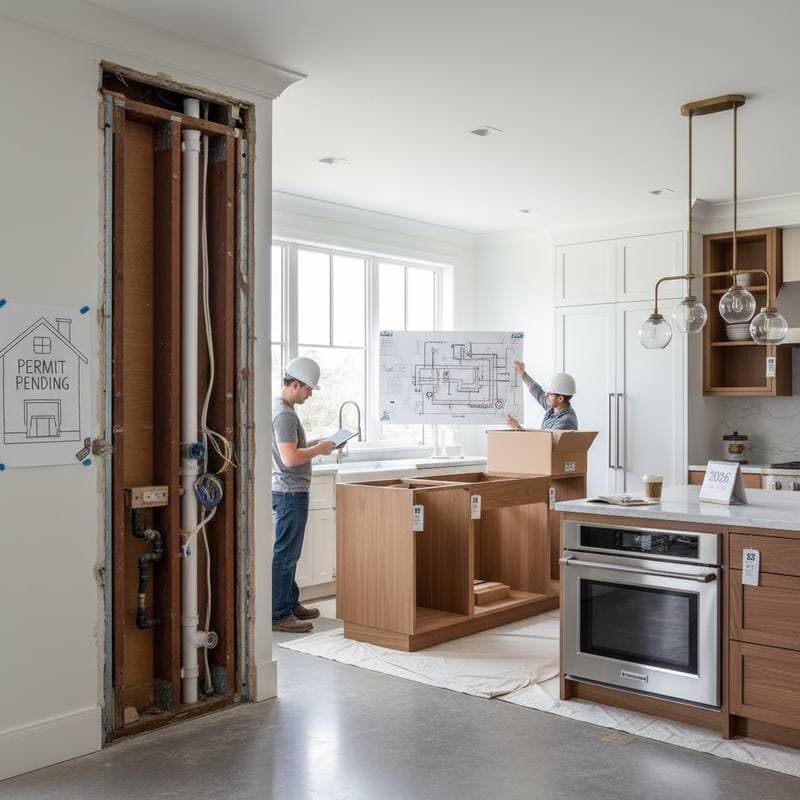
Regulatory compliance forms a critical yet often neglected aspect of renovations. Local building departments mandate permits for alterations involving electrical, plumbing, or structural elements. Inspections at various stages ensure adherence to codes, with fees scaling based on project scope and jurisdiction.
Failure to obtain permits can result in fines or complications during home sales. Contact your municipal office early to compile a list of required documents and timelines. Factor these administrative costs into initial estimates, typically ranging from 1 to 3 percent of the total budget, to maintain legal and financial security.
Disruptions from Temporary Relocation Needs
Construction periods render kitchens inoperable, prompting reliance on alternative meal solutions. Frequent takeout orders accumulate expenses, while establishing a makeshift setup in a garage or basement involves purchasing portable appliances. Extended timelines due to supply delays exacerbate these inconveniences.
Anticipate a disruption of four to eight weeks by stocking non-perishables and designating a utility space with a hot plate, mini-fridge, and storage bins. Coordinate with contractors to phase work efficiently, minimizing downtime. This planning preserves routines and curbs additional spending on external dining.
Strategies for a Budget-Conscious Kitchen Transformation
Effective remodels stem from informed planning and adaptive decision-making. Collaborate closely with contractors to review progress regularly and adjust scopes as needed. Focus selections on durable, multifunctional elements that enhance daily life rather than transient trends.
Ultimately, a well-managed budget yields a space that serves for years. Thoughtful anticipation of costs transforms potential obstacles into opportunities for smarter choices, resulting in a kitchen that delights without financial regret.