

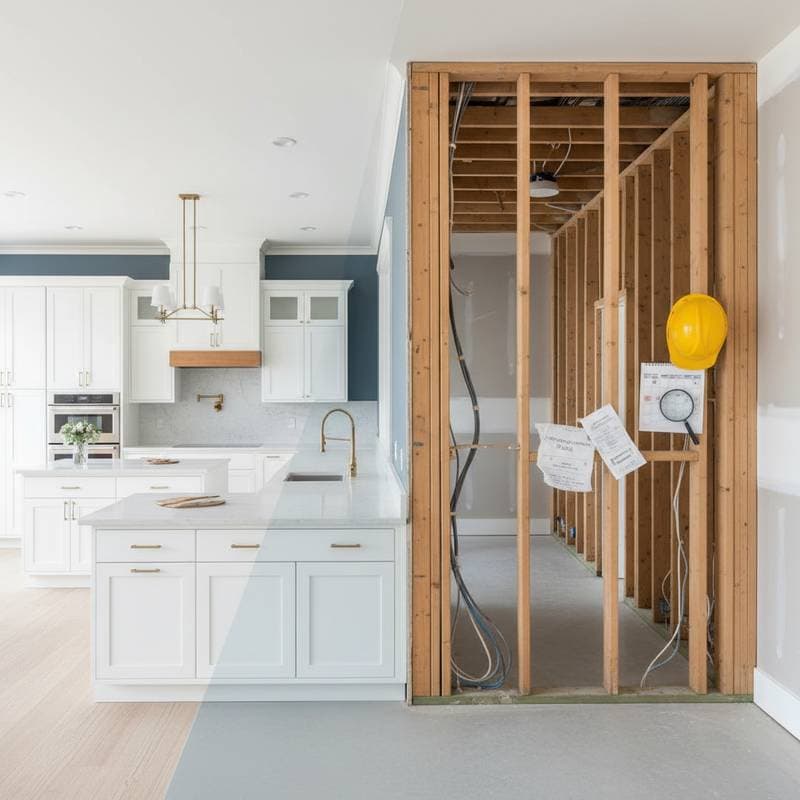
Exposing Concealed Costs in 2026 Home Remodeling Projects
Imagine committing to a kitchen overhaul with fresh paint, contemporary cabinets, and enhanced lighting. After gathering estimates and selecting a reliable contractor, the project budget appears secure. However, as invoices arrive, discrepancies emerge, revealing unforeseen expenses. Homeowners frequently encounter this scenario when concealed remodeling costs surface unexpectedly. Gaining insight into these elements prior to commencement preserves financial resources, reduces anxiety, and averts restless evenings.
1. Material Markups Applied Discreetly
Contractors frequently acquire materials at reduced rates via professional trade accounts, yet these savings seldom pass to clients. A markup on materials serves as reasonable remuneration for the contractor's procurement efforts and expertise. Nevertheless, such additions can escalate excessively without vigilant oversight.
Strategies to Address This:
Request a comprehensive inventory of materials along with their individual prices from the contractor. Cross-reference these figures against retail rates from nearby suppliers or digital marketplaces. Although wholesale reductions may remain inaccessible, this comparison clarifies fund allocation. Should the markup appear excessive, demand detailed justification or propose a fixed percentage limit.
2. Change Orders Accumulating Rapidly
Even meticulously planned renovations encounter alterations upon exposing structural elements like walls or piping systems. Contractors document these via change orders, which influence schedules and expenditures. An individual adjustment may appear minor, yet successive ones can substantially elevate overall costs.
Strategies to Address This:
Prior to contract execution, inquire about the procedure for managing change orders and the method for conveying price modifications. Maintain a documented log of each alteration, regardless of scale. This practice safeguards the budget and ensures precise comprehension of expenditures.
3. Concealed Charges for Labor and Subcontractors
Remodeling endeavors often necessitate specialists such as electricians, plumbers, or tiling experts. Contractors may engage these professionals and impose an additional oversight fee atop their standard rates. While this compensates for coordination responsibilities, it can surprise clients if undisclosed.
Strategies to Address This:
Seek explicit details regarding hired tradespeople, their compensation structure, and inclusion of any supervisory fees. A reputable contractor provides forthright explanations of pricing mechanisms. Establishing transparency at this stage averts misunderstandings upon invoice receipt.
4. Permit, Inspection, and Overhead Expenses
Permits and inspections remain crucial for regulatory adherence and safety, though their fees fluctuate significantly. Certain contractors incorporate these into a consolidated estimate, whereas others list them distinctly. Overhead elements, including project administration or design facilitation, may also manifest as unanticipated line items.
Strategies to Address This:
Obtain an itemized summary of all overhead charges before approving the quote. If proficient in handling specific authorizations independently, explore options for cost reductions through self-management. Addressing these particulars upfront proves more effective than post-construction discoveries.
5. Premiums on Final Details and Upgrades
Elements like trim installations, bespoke shelving, or hardware selections frequently incur undisclosed surcharges. A transition from brushed nickel to matte black fixtures, for instance, may increase expenses owing to variations in branding or availability.
Strategies to Address This:
Finalize selections for finishes early in the planning phase and incorporate them into the contract terms. This approach curtails impromptu additions and streamlines material procurement for the contractor. Early decisions empower control over aesthetics and finances alike.
Securing a Cost-Effective Renovation Outcome
Armed with knowledge of these concealed fees, homeowners approach renovations with assurance. The objective involves fostering open dialogue with contractors and aligning expectations realistically. Pose inquiries, scrutinize estimates meticulously, and consider multiple professional proposals for comparison.
A renovation ought to inspire enthusiasm rather than apprehension. By monitoring markups, labor variances, and ancillary charges diligently, the process unfolds seamlessly toward a gratifying result. This vigilance protects investments while realizing envisioned spaces within fiscal boundaries.