Unveiled Hidden Costs in Your 2026 Kitchen Remodel
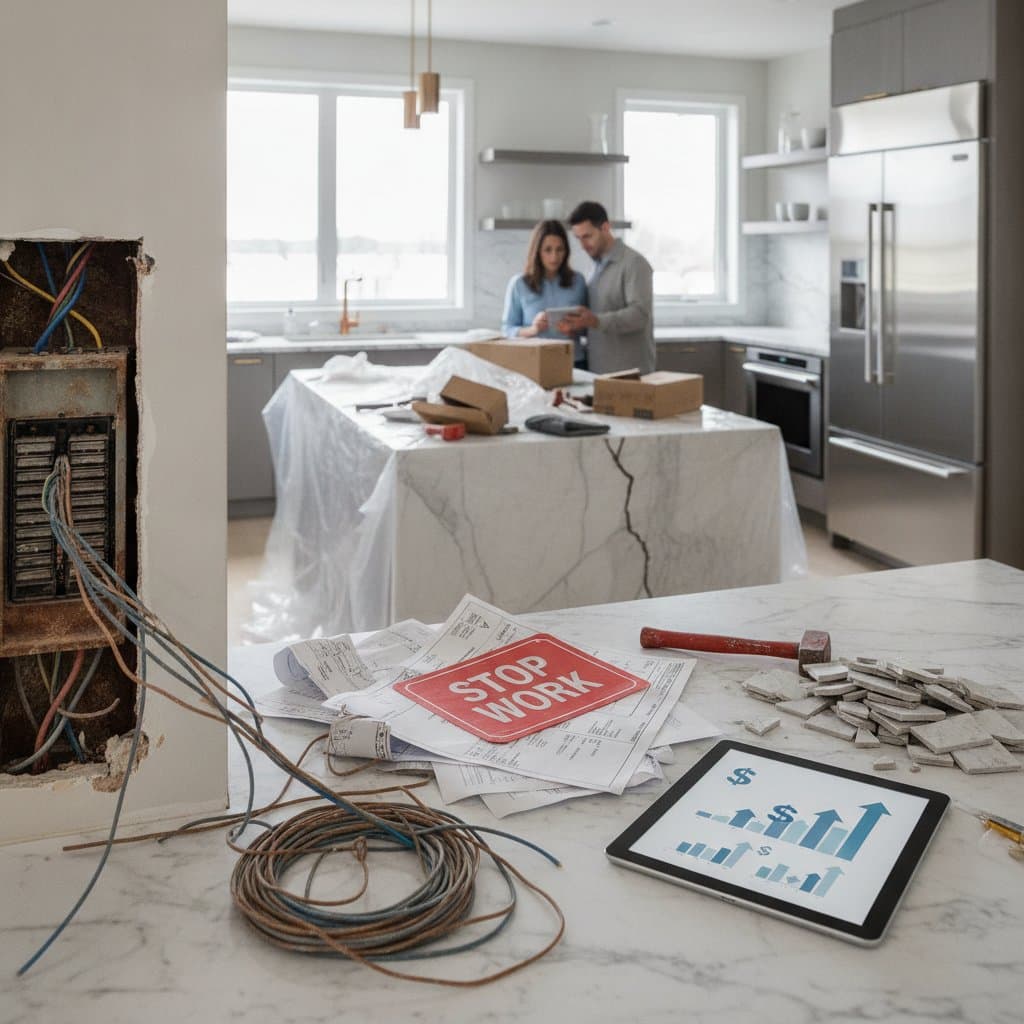
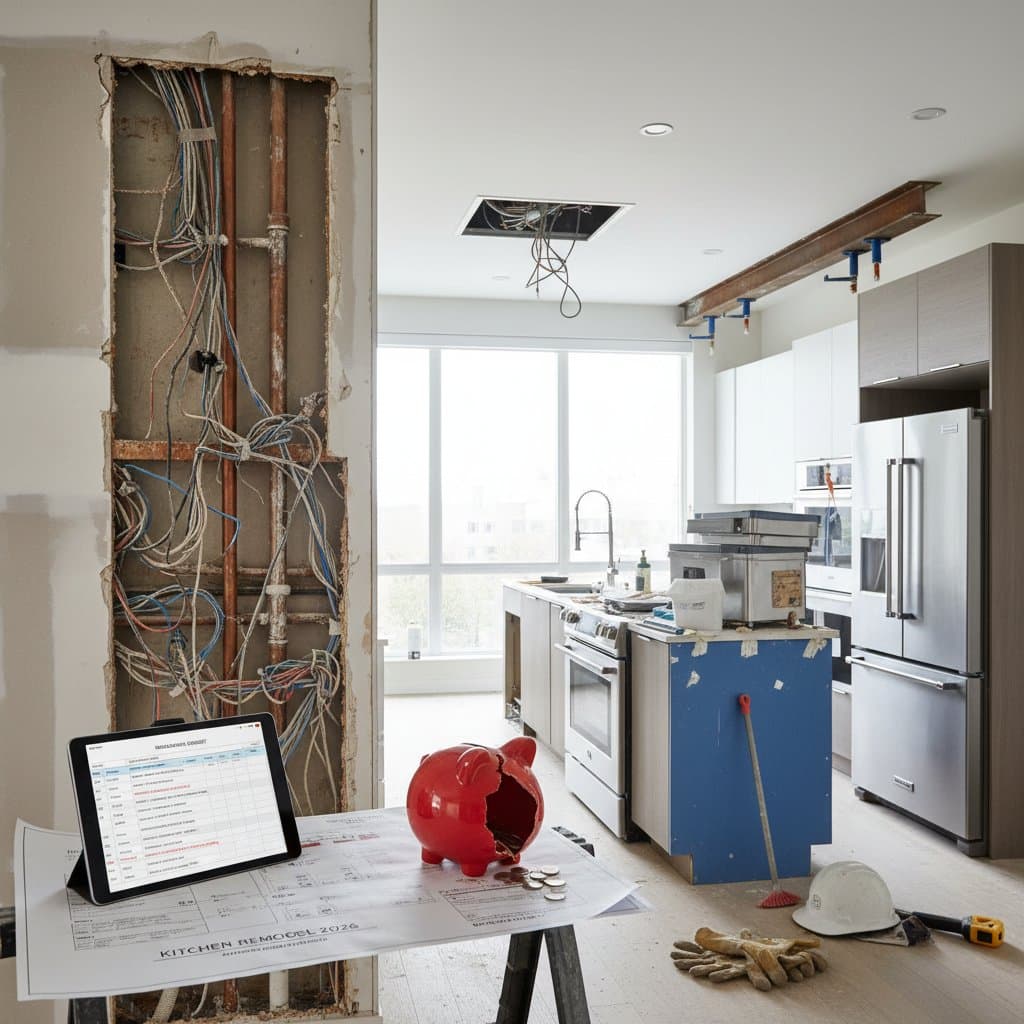
Kitchen trends evolve with each passing year, but effective planning and budgeting remain timeless essentials. Homeowners frequently envision their ideal countertops and cabinetry yet fail to account for the unforeseen expenses that emerge during the renovation process. To maintain oversight of the project, identify potential cost drivers upfront and integrate them into your financial plan before selecting any materials.
The following eight rules outline critical areas to examine. Each addresses a common pitfall, explains its implications, and offers strategies to mitigate risks, ensuring your remodel proceeds efficiently.
1. Assess Plumbing Requirements Thoroughly
Problem: Aging plumbing systems in older homes often fail to accommodate contemporary kitchen demands, such as high-volume sinks or dishwashers.
Context: During installation, a contractor might uncover corroded pipes or insufficient water pressure, halting progress until repairs occur.
Solution: Schedule a professional plumbing inspection at the outset. Plan for pipe replacements or rerouting to support new fixtures.
Technical detail: Modern kitchens typically require 3/4-inch supply lines for sinks and 1/2-inch lines for dishwashers, with proper venting to prevent backups.
Benefit: Early detection avoids disruptions and ensures reliable water flow, safeguarding the longevity of your new setup.
2. Plan for Electrical Upgrades
Problem: Legacy electrical setups seldom align with today's standards, struggling to power advanced appliances and fixtures.
Context: Attempting to connect a high-wattage range or multiple small appliances may overload existing circuits, triggering failures.
Solution: Conduct an electrical evaluation during initial planning. Upgrade the service panel or install dedicated lines as needed.
Technical detail: Major appliances demand individual 20-amp circuits, while balanced LED lighting can utilize a shared 15-amp circuit.
Benefit: Compliant wiring secures your appliances and meets safety codes, eliminating the need for reactive adjustments.
3. Inspect for Structural Modifications
Problem: Load-bearing walls or uneven floors in vintage kitchens may necessitate reinforcements that exceed initial projections.
Context: Removing a wall to open the space could reveal the need for beams or foundation work, inflating expenses unexpectedly.
Solution: Hire a structural engineer for a pre-demolition review. Budget for potential reinforcements like steel lintels or subfloor repairs.
Technical detail: Non-load-bearing walls require minimal support, but load-bearing ones often need headers spanning at least 4 inches by 10 inches, depending on span length.
Benefit: Proactive structural planning prevents safety hazards and maintains the home's integrity throughout the remodel.
4. Prioritize Adequate Ventilation Systems
Problem: Neglecting ventilation leads to trapped heat, odors, and humidity that degrade materials over time.
Context: A powerful gas cooktop installed without sufficient exhaust can cause condensation issues, harming nearby surfaces.
Solution: Select a hood matched to your cooking equipment. Opt for direct-vent models over recirculating ones for optimal performance.
Technical detail: Hoods must exhaust at least 100 cubic feet per minute for every 10,000 BTUs of cooktop output.
Benefit: Effective airflow preserves cabinetry and improves indoor air quality, enhancing daily comfort.
5. Account for Demolition and Waste Disposal
Problem: The physical act of tearing out old elements generates debris that requires professional handling and disposal.
Context: Hauling away cabinets, tiles, and appliances without planning can lead to rental fees for dumpsters or delays in cleanup.
Solution: Include demolition in your contractor bid and arrange waste removal services in advance.
Technical detail: Expect 10 to 20 cubic yards of debris for a standard kitchen, with recycling options reducing landfill costs by up to 30 percent.
Benefit: Streamlined demolition keeps the timeline intact and minimizes environmental impact through responsible disposal.
6. Budget for Permit and Compliance Expenses
Problem: Overlooking regulatory approvals results in fees that accumulate quickly across multiple work categories.
Context: Electrical or plumbing alterations without permits can incur penalties or require rework to pass inspections.
Solution: Consult your local building authority during the design stage. Secure all necessary permits for structural, electrical, and plumbing tasks.
Technical detail: Fees range from $200 to $1,500 per permit, varying by location and project scope.
Benefit: Full compliance avoids fines, project stoppages, and future resale complications.
7. Include Flooring and Surface Preparations
Problem: Subfloor damage or uneven surfaces demand leveling before new flooring installation.
Context: Laying tiles over warped subfloors leads to cracks and premature wear, necessitating costly corrections.
Solution: Evaluate and prepare the base layer prior to selecting finishes. Allocate funds for underlayment or self-leveling compounds.
Technical detail: Vinyl or hardwood requires a flat surface within 3/16 inch over 10 feet; concrete slabs may need grinding or patching.
Benefit: A solid foundation ensures durable, visually appealing results that withstand heavy use.
8. Calculate Full Appliance Acquisition Costs
Problem: Focusing solely on purchase prices ignores ancillary charges for transport, removal of old units, and setup.
Context: A premium refrigerator delivered without site preparation might incur extra labor for connections or adjustments.
Solution: Factor in delivery, old appliance disposal, and professional installation when estimating totals.
Technical detail: Installation fees average $150 to $300 per appliance, plus $50 to $100 for haul-away services.
Benefit: Comprehensive budgeting integrates all elements, preventing budget overruns at the final stages.
Securing a Seamless Renovation Outcome
A well-executed kitchen remodel hinges on thorough foresight rather than chance. Addressing these hidden costs from the beginning fortifies your financial plan and fosters tranquility during construction. Approach the design iteratively, verifying functionality before aesthetics, and aligning choices with your home's realities and resources. With these strategies in place, your 2026 kitchen will deliver enduring value and satisfaction.