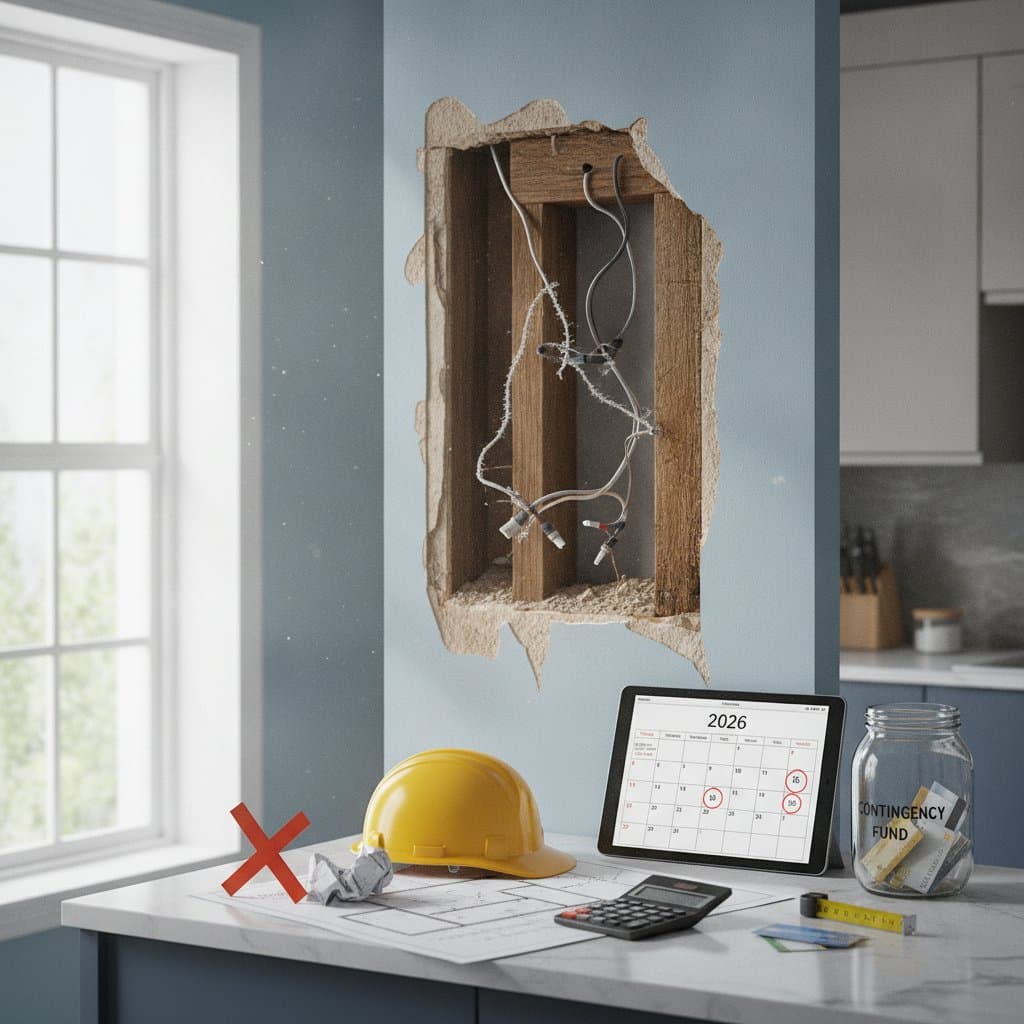


Understanding the Impact of Tariffs on 2026 Remodeling Expenses
Imagine committing to a kitchen overhaul, only to discover that essential tiles now exceed the price of your initial vehicle. Homeowners across the nation encounter similar challenges as tariffs elevate the cost of imported building materials. Recent surveys in the home improvement sector indicate that approximately 45 percent of professionals anticipate significant material price surges within the next two years, with tariffs identified as the primary driver.
Tariffs function as taxes imposed on imported products. These additional expenses transfer through the supply chain, ultimately reaching consumers. Projects involving cabinet replacements, flooring updates, or structural expansions face heightened costs, transforming ideal designs into financially burdensome endeavors.
Mechanisms of Tariff Influence on Project Budgets
Tariffs directly elevate remodeling expenses by increasing the cost of imported components. Suppliers absorb initial duties, then relay those charges to distributors, contractors, and end users. This chain reaction amplifies prices for everyday renovation elements.
Construction economist Michael Larson from BuildData Insights observes, "Suppliers have begun implementing price changes in response to expected tariff escalations. Lumber, steel components, and tiles sourced internationally prove especially vulnerable."
Specific categories experience varied impacts:
- Cabinetry: Imported woods and fittings may increase by as much as 15 percent, prompting shifts toward locally milled alternatives.
- Flooring: Ceramic tiles and composite woods could see rises of 10 to 20 percent, influenced by the exporting nation's trade status.
- Appliances: Models featuring stainless steel components face potential jumps due to metal import duties affecting production chains.
These adjustments not only strain budgets but also encourage exploration of sustainable, tariff-immune options.
Implementing Cost-Effective Planning Measures
Homeowners need not delay projects indefinitely in light of these developments. Several targeted approaches help maintain financial control.
- Secure estimates promptly. Obtaining detailed quotes establishes a baseline before prices adjust further, potentially preserving thousands in expenses.
- Inquire about U.S.-based substitutes. Renee Hall, proprietor of Hall & Hammer Renovation, notes, "Numerous premium materials originate domestically. Clients often find that these choices evade tariffs while offering quicker delivery times."
- Schedule projects strategically. Postponements risk exposure to escalated rates; heed contractor alerts regarding supply disruptions to avoid rework.
- Incorporate a buffer fund. Professionals suggest reserving 15 to 20 percent of the overall budget to accommodate unforeseen escalations.
Beyond these steps, evaluating energy-efficient selections can yield long-term savings, offsetting initial outlays.
Broader Implications for Industry Professionals and Clients
Tariffs extend beyond materials to affect labor dynamics and timelines. Rising costs lead contractors to navigate client uncertainties, reduced project volumes, and compressed profit margins.
Project manager Sara Nguyen of RenovateRight Consulting explains, "Professionals balance commitments to prior estimates with emerging expenses. Increasingly, contracts include provisions for tariff-related adjustments to safeguard all parties."
Homeowners benefit from enhanced contract clarity. Review agreements meticulously to confirm provisions addressing price variability. Prioritize open dialogue with teams to preempt issues and foster trust.
Projecting Material Price Trajectories
Although policy shifts might moderate tariffs eventually, analysts forecast sustained elevation in remodeling costs through 2026. Global supply networks adjust to volatility, yet factors like transportation and fabrication remain fluid.
Strategic focus preserves project viability. Prioritize upgrades in kitchens and bathrooms, areas that recoup investments rapidly upon resale. Limit bespoke imports, as custom elements from abroad suffer the most from duties.
Consider phased implementations, starting with foundational work to distribute costs over time. This method aligns expenditures with financial readiness.
Executing Renovations Amid Economic Pressures
Navigating tariffs demands foresight, adaptability, and collaboration. Maintain design versatility to integrate cost-neutral alternatives without sacrificing aesthetics.
Thorough vendor research uncovers competitive pricing and reliable sources. Regular check-ins with contractors ensure alignment on evolving conditions.
A meticulously orchestrated renovation delivers enduring benefits, even in challenging markets. By balancing aspirations with fiscal prudence, homeowners transform potential obstacles into opportunities for resilient, value-driven improvements.