

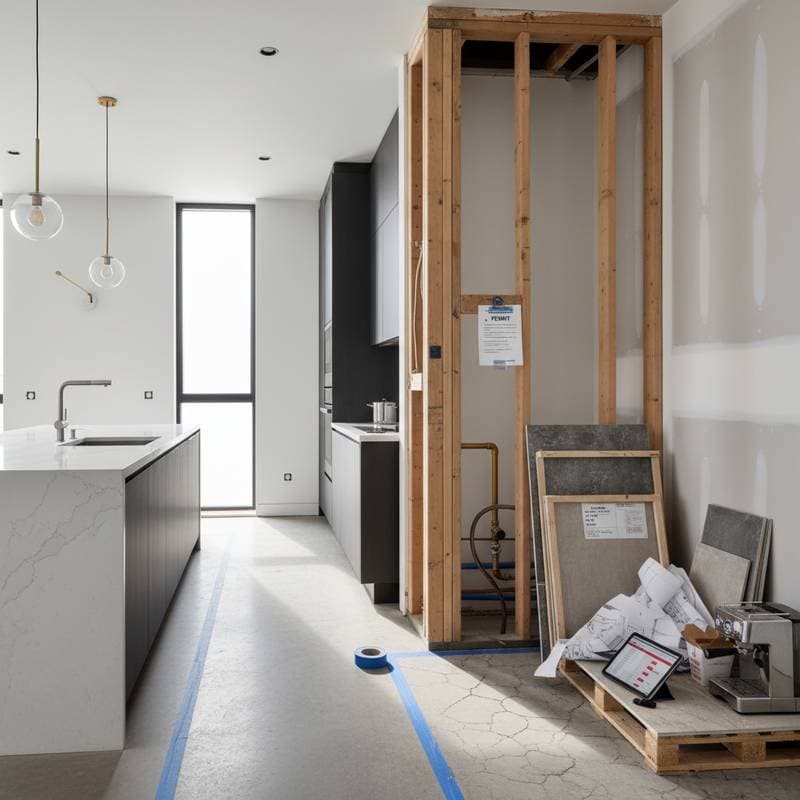
Unveiling Hidden Costs in 2026 Kitchen Remodels
Homeowners often envision a 2026 kitchen remodel as a pathway to enhanced functionality and style. Visions of modern appliances, durable countertops, and optimized layouts fuel excitement. However, initial enthusiasm frequently collides with unforeseen financial demands that transform a straightforward project into a complex endeavor.
Industry analyses indicate that a significant portion of kitchen renovations exceed original budgets by 20 to 30 percent. These overruns stem from overlooked elements that emerge during execution. Understanding these hidden costs empowers homeowners to plan effectively and avoid common regrets.
This article examines key areas where expenses accumulate, drawing on insights from construction professionals. By identifying potential traps early, readers can allocate resources wisely and realize their ideal kitchen without compromising financial stability.
Permits and Inspections: Navigating Regulatory Requirements
Local regulations mandate permits for most kitchen modifications, particularly those involving electrical wiring, plumbing systems, or structural alterations. Overlooking these prerequisites can lead to project halts, fines, or mandatory rework, amplifying costs substantially.
Building consultant James Rodriguez of Urban Home Advisors emphasizes the importance of compliance. He notes, "Permits safeguard property value and occupant safety, yet they introduce upfront and ongoing administrative burdens that many underestimate."
Fees vary by location and project scale, typically ranging from $300 to $1,500. Inspections, often required at multiple stages, add another $200 to $500. In high-regulation areas, such as urban centers, these expenses can escalate further due to specialized reviews.
To prepare, contact your local building authority during the planning phase. Request a detailed list of required permits and associated timelines. This step prevents surprises and allows integration of costs into your initial budget.
Demolition Surprises: Uncovering Structural Secrets
Demolition marks the exciting start of a remodel, but it often reveals issues concealed behind existing fixtures. Outdated wiring, mold-infested walls, or non-compliant plumbing emerge, necessitating immediate attention and additional spending.
Contractors report that 40 percent of projects encounter such discoveries. For instance, removing old cabinets might expose water damage requiring remediation, or shifting a load-bearing wall could demand engineering assessments.
These interventions can add $1,000 to $5,000 or more to the total. Delays from repairs also extend timelines, incurring further labor charges.
Mitigate risks by conducting a pre-demolition inspection with a qualified professional. Allocate a contingency fund of 10 to 15 percent of your budget specifically for unforeseen structural fixes. Document all findings in your contract to clarify responsibility.
Material Markups and Supply Chain Fluctuations
Selecting materials like quartz countertops or custom cabinetry involves aesthetic choices, but price volatility poses a hidden threat. In 2026, ongoing supply chain disruptions and inflation are projected to increase costs for lumber, appliances, and finishes by up to 15 percent.
Homeowners frequently encounter markups from suppliers or contractors who source premium options without prior disclosure. A basic cabinet set might balloon from $3,000 to $4,500 due to upgraded hardware or delivery surcharges.
To counter this, research current market prices independently using reliable industry resources. Obtain samples and quotes from multiple vendors before finalizing selections. Specify exact material grades and sources in your contract to lock in pricing and prevent substitutions.
Design Changes: Managing Scope Creep
Initial designs provide a blueprint, yet mid-project adjustments are common. Relocating a sink, expanding an island, or incorporating smart features like integrated lighting can seem minor but trigger cascading expenses.
Contractor Sarah Klein observes, "Phrases like 'while you are at it' often signal impending delays and cost increases. Each alteration requires recalculating labor, materials, and potentially permits."
Such changes account for 25 percent of budget overruns, with individual modifications costing $500 to $3,000. Accumulated tweaks can derail timelines by weeks.
Establish a firm design before construction begins. Use 3D modeling software to visualize layouts and test ideas. For any later inspirations, insist on written change orders detailing impacts on cost and schedule prior to approval.
Labor and Scheduling Challenges: Accounting for Workforce Dynamics
Labor represents 40 to 50 percent of remodel expenses, and 2026 forecasts indicate rising rates due to skilled trade shortages. Electricians, plumbers, and carpenters command premiums, especially in competitive markets.
Scheduling conflicts exacerbate issues. Delays from unavailable subcontractors or inspection backlogs can idle crews, leading to rescheduling fees or overtime payments.
James Rodriguez adds, "Contractors navigate volatile labor markets, where early planning secures better rates. Homeowners benefit from detailed contracts that outline milestones and contingencies."
Secure at least three competitive bids, ensuring each specifies labor inclusions. Opt for fixed-price agreements with clear payment schedules linked to completed phases. Build in buffer time for potential delays to avoid rushed, costly resolutions.
Lifestyle Disruptions: The Price of Daily Inconvenience
A remodel disrupts routines, imposing indirect costs often ignored in planning. With the kitchen unavailable, families rely on takeout, temporary storage solutions, and alternative cleaning arrangements.
Financial planner Carol Jensen of Homewise Budgeting highlights this oversight. She states, "Lifestyle expenses accumulate quietly; three weeks of external meals and lodging can match the cost of major appliances."
Budget for $500 to $2,000 in such areas, depending on project duration and household size. Extended timelines from material delays or weather amplify these burdens.
Create a dedicated contingency category for living expenses. Prepare by organizing kitchen items in advance and exploring cost-effective options like meal prepping or short-term rentals. Communicate timelines with family to set realistic expectations.
Strategies to Control Costs and Ensure Success
Effective cost management begins with thorough preparation. Develop a comprehensive budget spreadsheet tracking all categories, from permits to contingencies. Regularly review invoices against estimates to catch discrepancies early.
Select contractors who prioritize transparency. Request itemized quotes for every phase and verify references for past projects. A collaborative relationship fosters accountability and minimizes disputes.
Incorporate flexibility into your plan. Aim for a 15 to 20 percent buffer to absorb surprises without derailing the project. Track progress weekly to address issues promptly.
Safeguarding Your Renovation Investment
A well-executed kitchen remodel enhances home value and daily life, but success hinges on foresight. By anticipating hidden costs and implementing proactive measures, homeowners achieve their vision within financial bounds.
Patience proves essential amid the process. Each decision shapes the outcome, balancing aesthetics with practicality. Ultimately, the result is a tailored space that supports long-term satisfaction and equity growth.