Maximize ROI Through Strategic Pantry Remodeling
Kitchens vary widely in their storage approaches, from meticulously organized setups to chaotic collections of supplies. Despite this diversity, effective pantry design follows universal principles that elevate performance. Homeowners who prioritize functionality during a remodel create spaces that streamline daily routines and enhance overall home value. This approach positions style as an enhancement rather than the primary focus, ensuring the pantry serves as a reliable asset for years.
Begin by assessing current needs and future possibilities. Measure the available space precisely and catalog frequently used items. Such preparation guides decisions on shelving, lighting, and materials, leading to a cohesive design that balances immediate utility with long-term adaptability.
1. Optimize Layout for Efficient Organization
Inefficient layouts often result in overlooked items and wasted space. Deep shelves or poorly placed zones force users to dig through clutter, frustrating daily tasks.
Consider a remodel where a narrow pantry alcove was reconfigured with vertical dividers and corner carousels. This adjustment made bulk items accessible without disrupting workflow.
Start with a zoned approach: dedicate lower areas to heavy appliances, mid-levels to everyday staples, and upper reaches to occasional-use goods. Incorporate lazy Susans for corners and slim pull-out trays for narrow gaps.
Select shelving materials that withstand weight, such as melamine-coated particleboard rated for 100 pounds per linear foot. Space shelves at 12 to 15 inches apart to accommodate various container heights.
This organization minimizes search time, reduces spoilage from forgotten items, and creates a sense of order that appeals to potential buyers.
2. Prioritize Accessibility and Flow
Overly ambitious shelving designs frequently hinder rather than help, with items buried out of reach.
In one family home renovation, shelf depths were scaled back from 20 inches to 14 inches, paired with pull-out mechanisms. Accessibility improved dramatically, allowing quick retrieval of essentials.
Position high-traffic items at waist to shoulder height for effortless access. Employ pull-out drawers or wire baskets in lower areas to avoid bending and straining.
Opt for full-extension drawer slides supporting at least 75 pounds, ensuring smooth operation even when fully loaded. Adjustable components allow customization as habits evolve.
Enhanced flow saves minutes each day, curbs physical discomfort, and fosters a user-friendly environment that boosts the kitchen's overall appeal.
3. Implement Effective Lighting Solutions
Dim or inconsistent lighting turns pantries into shadowy mazes, complicating inventory checks and increasing error rates.
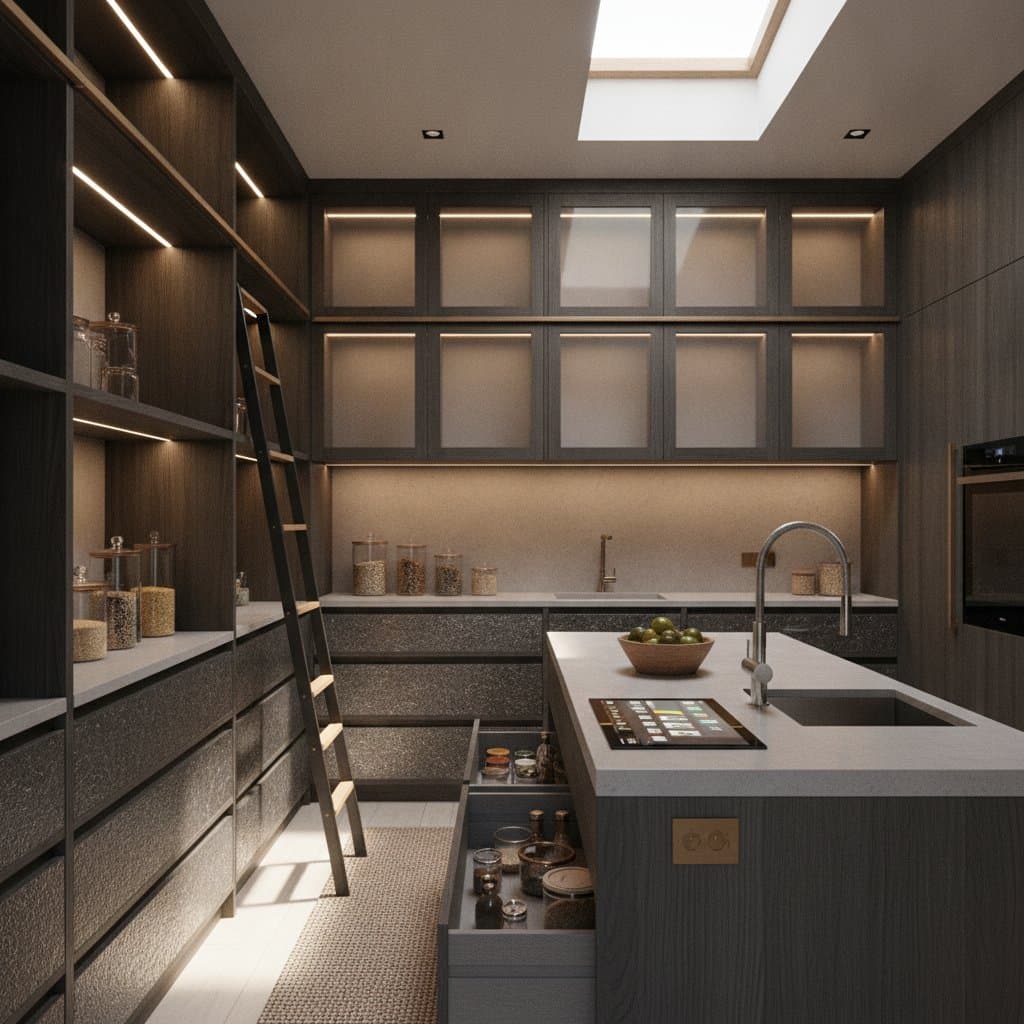
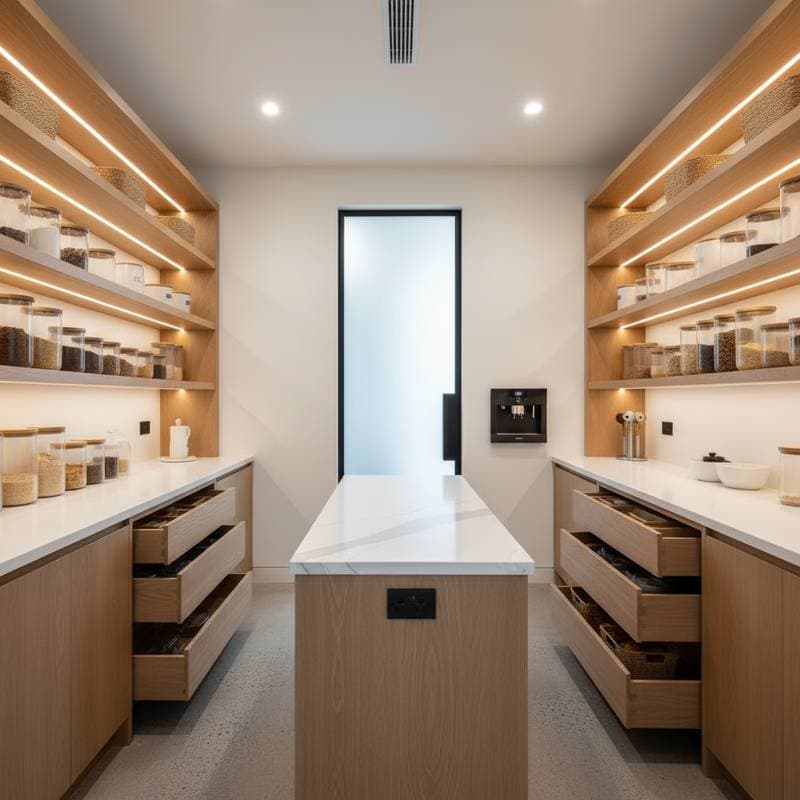
A recent project illuminated a walk-in pantry using layered LED strips under shelves and motion-activated pucks. Visibility sharpened, making label reading and stock management straightforward.
Layer ambient, task, and accent lighting to cover all angles. Install under-shelf strips for even illumination and recessed cans for overhead coverage in larger spaces.
Choose energy-efficient LEDs with a color temperature of 3000K for warm, inviting light. Integrate dimmers or sensors to activate only when needed, conserving energy.
Proper lighting not only prevents mishaps but also highlights design elements, contributing to a polished look that elevates home aesthetics and perceived value.
4. Ensure Ventilation and Climate Control
Enclosed spaces without proper air circulation invite humidity buildup, accelerating spoilage and material wear.
For a moisture-prone basement pantry, engineers added a quiet exhaust fan and integrated passive vents tied to the home's HVAC. Conditions stabilized, safeguarding contents effectively.
Factor ventilation into the initial blueprint, particularly for sealed or interior locations lacking natural light.
Aim for one square inch of venting per ten cubic feet of space. Apply mold-resistant coatings to walls and use sealed gaskets on doors to block excess moisture ingress.
Stable climate extends shelf life of perishables, protects structural integrity, and maintains a fresh atmosphere that encourages regular use.
5. Select Durable, Practical Materials
Ill-suited materials degrade quickly under daily demands, leading to premature replacements and hidden costs.
A client shifted from delicate glass fronts to sturdy acrylic panels and reinforced wire grids. Durability improved without sacrificing a modern appearance.
Prioritize moisture-resistant options like painted MDF or stainless steel accents for high-contact zones. Avoid porous woods in humid areas unless treated with sealants.
Test surfaces for easy cleaning; select finishes that resist stains from spills. Incorporate soft-close hinges and anti-slam doors to minimize wear on components.
Robust materials ensure longevity, reduce maintenance efforts, and signal quality craftsmanship to appraisers and prospective owners.
6. Incorporate Flexible Storage Zones
Rigid designs fail to accommodate life's shifts, such as growing families or changing diets.
An adapting couple added track systems post-remodel to lower shelves for child-friendly access. No further overhauls proved necessary.
Build in modularity from the outset with interchangeable components and repositionable elements.
Install tracks with two-inch adjustment intervals and brackets holding up to 50 pounds. Include pegboards for customizable hooks and bins tailored to specific needs.
Flexibility future-proofs the space, avoiding expensive updates and supporting diverse lifestyles seamlessly.
7. Integrate Seamlessly with Kitchen Workflow
Isolated pantries disrupt efficiency, creating bottlenecks during meal preparation.
In a compact kitchen upgrade, door placements aligned with counter paths, and adjacent cabinetry echoed pantry finishes for unity.
Map traffic patterns to position entry points near key workstations like sinks or stoves.
Use consistent hardware and color schemes to blend the pantry into the broader design. Consider pass-through shelves for direct appliance loading.
Harmonious integration streamlines operations, enhances visual cohesion, and amplifies the kitchen's functional and monetary worth.
8. Balance Costs for Optimal Returns
Extravagant features rarely recoup investments, diverting funds from high-impact areas.
Guidance led a homeowner from ornate imports to practical laminates and automated lights, yielding savings while preserving appeal.
Allocate budget toward proven value-adders: ergonomic hardware, efficient lighting, and resilient surfaces.
Research local market data to identify buyer priorities. Steer clear of niche customizations that limit broad appeal.
Strategic spending delivers tangible ROI through improved usability and elevated property assessments.
Maintain and Evolve Your Pantry System
After installation, monitor usage to refine the setup periodically. Shift zones based on seasonal demands or routine changes. Clean fixtures routinely and inspect for wear to sustain peak performance.
Regular attention keeps the pantry responsive to household dynamics. Such proactive care transforms a one-time investment into enduring efficiency and value.