
Nature's Healing Touch: Biophilic Kitchen Trends
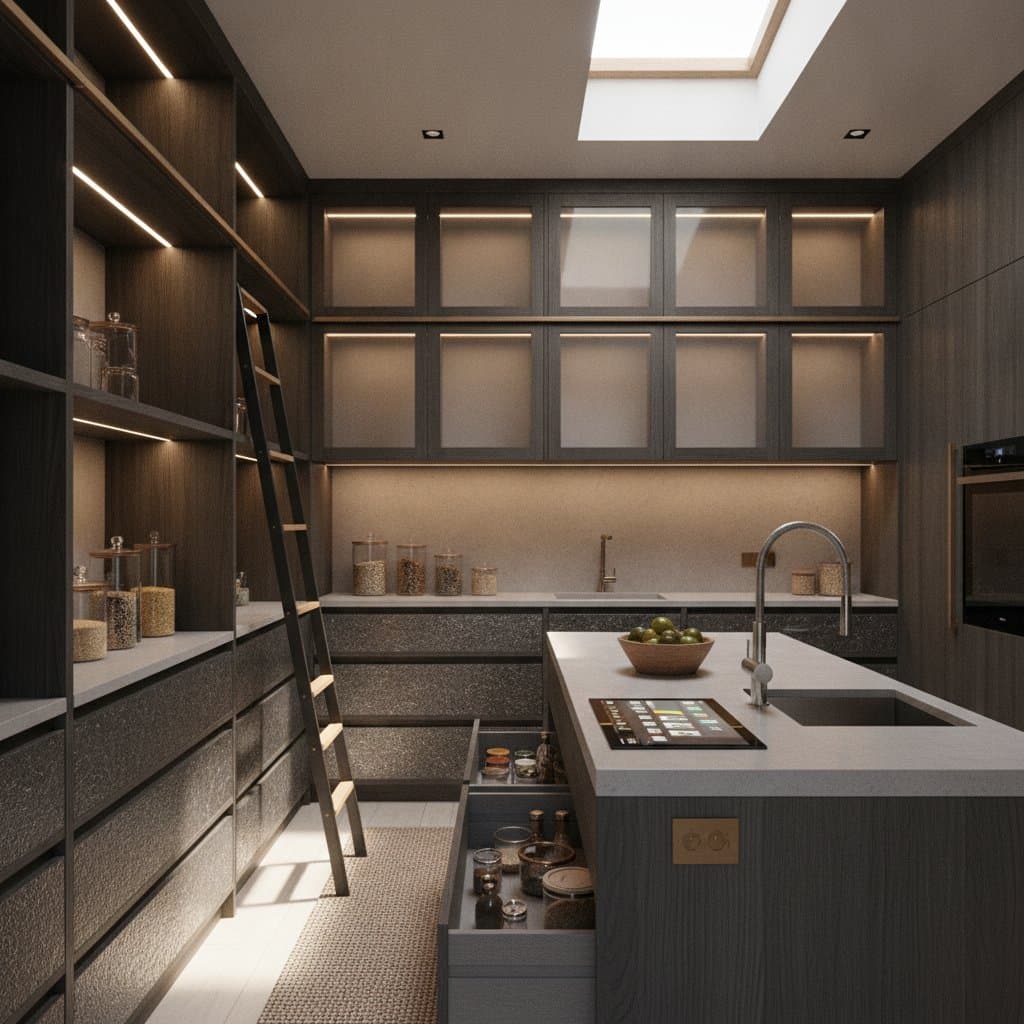
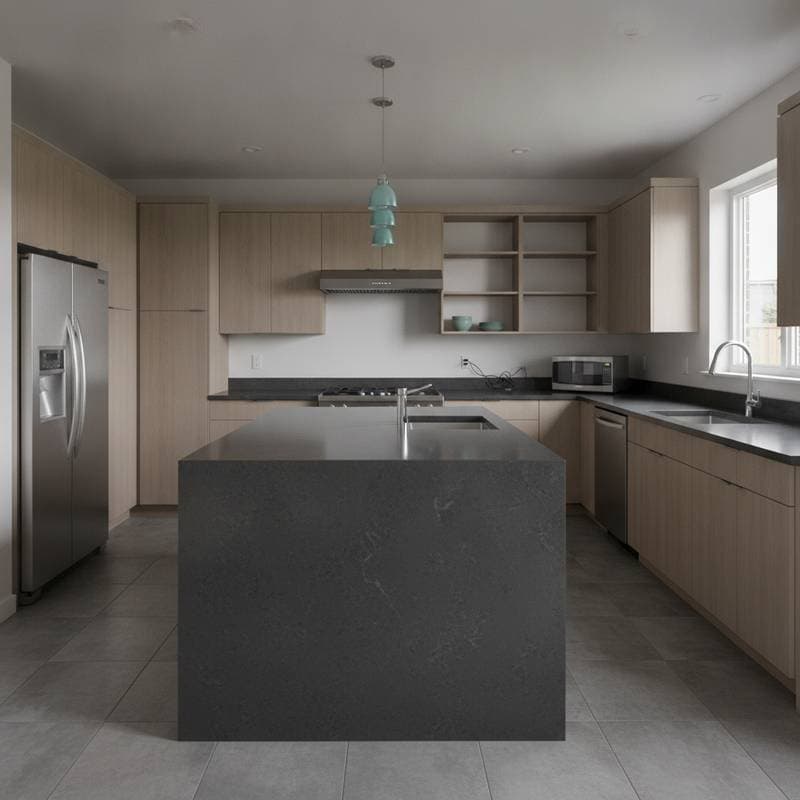
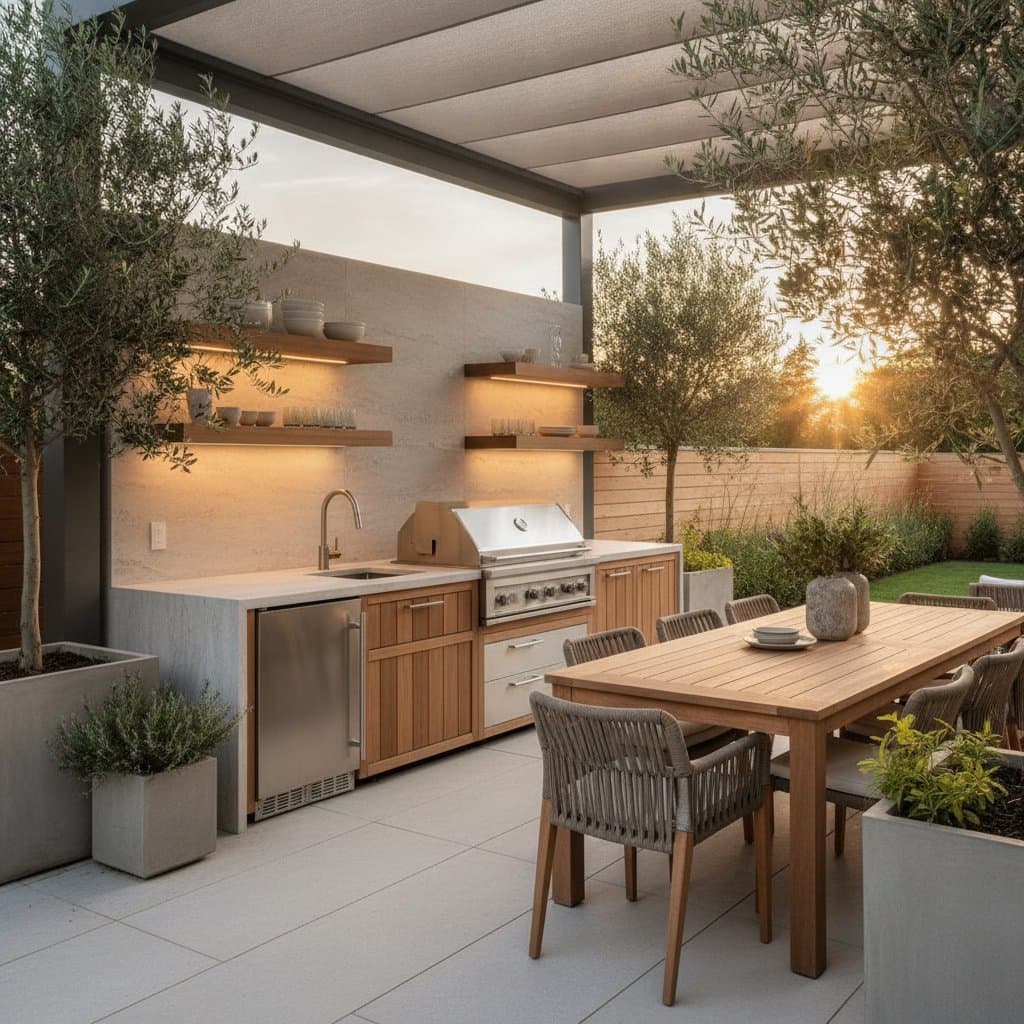
Modern homes showcase a wide array of kitchen designs, from sleek white countertops to warm wooden cabinets. Each variation reflects personal taste and lifestyle needs. At the core of these evolving spaces lies a fundamental desire to bridge the gap between indoor living and the outdoors. Biophilic design addresses this by drawing on scientific research to foster environments that enhance health and well-being. In the kitchen, a hub for daily routines like meal preparation and family gatherings, these principles deliver tangible improvements in comfort and functionality.
The following guidelines outline key elements of successful biophilic kitchen designs. Derived from practical applications in real-world projects, they emphasize usability alongside aesthetic appeal. Implement these strategies to transform your kitchen into a nurturing space that aligns with nature's patterns.
1. Maximize Natural Light for Vitality
Problem: Artificial lighting dominates many kitchens, leading to fatigue and a disconnected feel.
Context: Homeowners often overlook window placements or use heavy curtains that block sunlight.
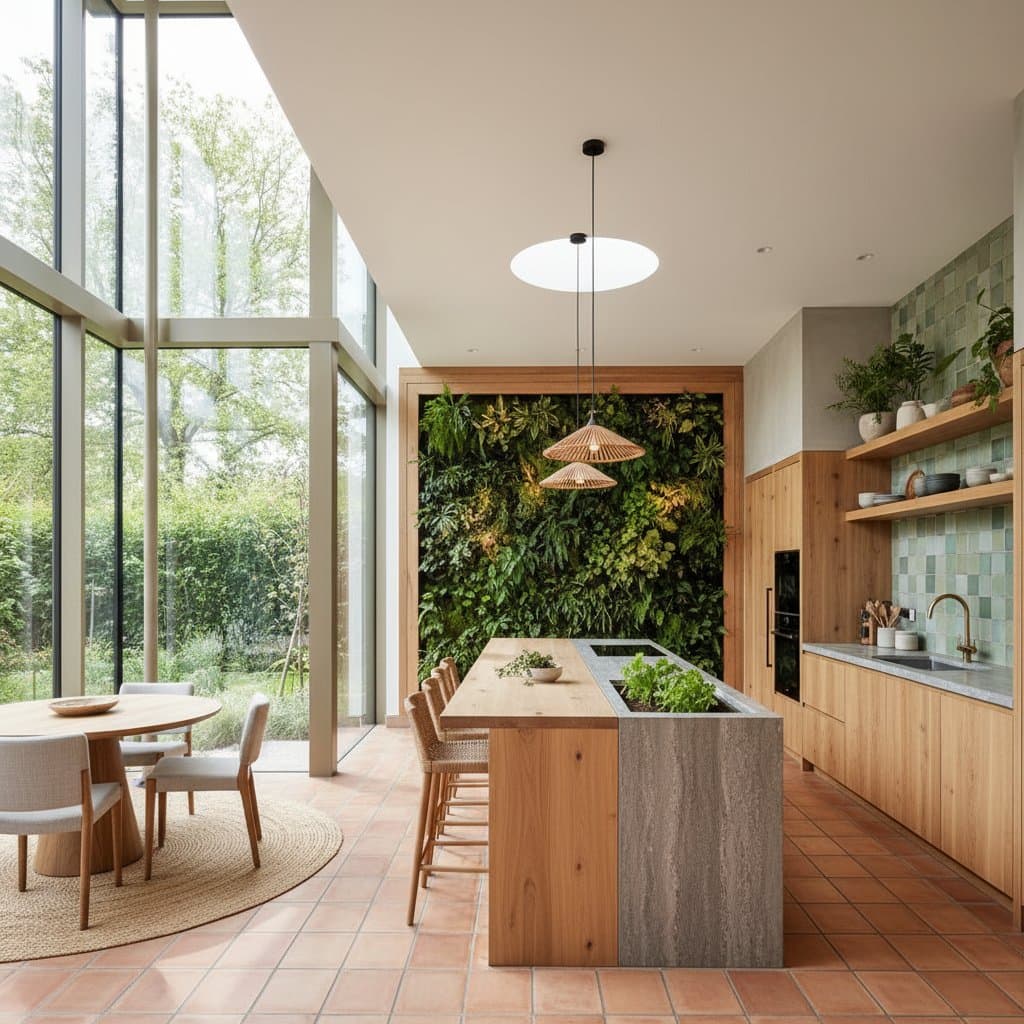
Solution: Install large, energy-efficient windows or skylights to flood the space with daylight. Position work areas near light sources and use sheer blinds to control glare without dimming the room.
Technical detail: Opt for low-E glass to minimize heat gain while preserving views. Layer with dimmable LED strips for evening use, ensuring color temperatures mimic natural daylight at 5000K.
Benefit: Abundant natural light boosts mood, improves focus during tasks, and highlights the organic textures within the kitchen.
2. Bring Real Greenery into the Heart of the Kitchen
Problem: Artificial plants fail to provide the sensory stimulation or air-purifying qualities of live greenery.
Context: Concerns about spills and upkeep deter many from incorporating plants in active cooking zones.
Solution: Select resilient varieties such as pothos, culinary herbs, or snake plants that tolerate kitchen conditions. Incorporate them via built-in planters adjacent to windows or a vertical garden on an accent wall near the dining nook.
Technical detail: Line planters with waterproof barriers and direct drainage to a concealed reservoir. Supplement with full-spectrum LED grow lights in low-light areas to support growth without overwhelming the space.
Benefit: Live plants filter airborne pollutants, dampen echoes, and establish a dynamic link to the natural world.
3. Select Organic Materials for Tactile Connection
Problem: Synthetic surfaces lack the warmth and authenticity that evoke natural surroundings.
Context: Budget constraints lead to reliance on laminates over wood or stone, diminishing sensory depth.
Solution: Choose countertops from reclaimed wood, quartzite, or bamboo, paired with cabinetry in matte finishes. Extend these materials to flooring with cork or polished concrete for a seamless flow.
Technical detail: Seal wood with food-safe oils to resist moisture, and ensure stone edges are rounded for safety. Source materials with certifications for sustainability to align with biophilic values.
Benefit: These elements invite touch and create a grounded atmosphere that enhances the overall sensory experience.
4. Design for Air and Acoustic Balance
Problem: Open-concept kitchens amplify noise and retain cooking smells, disrupting harmony.
Context: Expansions into living areas frequently neglect ventilation and sound management.
Solution: Equip the space with a powerful, low-noise exhaust hood that vents directly outside. Integrate sound-absorbing panels crafted from natural fibers like wool felt or cork on overhead surfaces or island backs.
Technical detail: Select hoods rated at least 250 cubic feet per minute for everyday use, scaling to 400 for larger setups. Conceal ductwork with custom cabinetry or soffits to maintain visual simplicity.
Benefit: Improved airflow and reduced reverberation make the kitchen more inviting for meals and discussions.
5. Apply Calming Colors Inspired by Nature
Problem: Bold or mismatched hues can overwhelm the senses in a high-traffic area.
Context: Trends favor dramatic palettes, but biophilic approaches prioritize subtlety for relaxation.
Solution: Draw from earth tones such as soft greens, warm terracottas, and neutral beiges for walls and accents. Use these in coordination with greenery and light to amplify a serene vibe.
Technical detail: Apply low-VOC paints with matte sheens to avoid glare. Test samples in natural light to confirm harmony across daily lighting changes.
Benefit: Such palettes promote tranquility, easing stress and fostering a restorative environment for routine activities.
6. Integrate Water as a Design Element
Problem: Kitchens treat water solely as a utility, missing its potential for sensory calm.
Context: The rhythmic quality of water aligns with biophilic goals of mimicking natural elements.
Solution: Feature a sculptural faucet with an exposed cascade or a compact wall-mounted fountain positioned by a sill. These additions introduce gentle motion without dominating the layout.
Technical detail: Fit features with overflow guards and accessible shut-off mechanisms. Include subtle filtration systems to maintain clarity and hygiene.
Benefit: The soft sounds and visuals of water contribute to a peaceful setting, alleviating tension during preparation tasks.
7. Create Views to the Outdoors
Problem: Enclosed kitchens isolate users from external nature, heightening feelings of confinement.
Context: Urban designs prioritize privacy over connection, limiting sightlines to greenery or sky.
Solution: Frame windows to capture garden vistas or install glass doors that open to patios. Use reflective surfaces strategically to expand perceived outdoor access.
Technical detail: Employ double-glazed panels for insulation and UV protection. Align sightlines with key zones like sinks or islands for frequent engagement.
Benefit: These connections reduce anxiety and infuse the space with vitality from surrounding landscapes.
8. Prioritize Sensory Variety
Problem: Uniform textures and sounds create monotony, undermining biophilic diversity.
Context: Designs often repeat materials, neglecting the richness of natural variability.
Solution: Layer elements like smooth stone with rough-hewn wood, and pair soft fabrics with metallic accents. Balance visuals with varied auditory inputs from water and foliage.
Technical detail: Vary surface heights and finishes to encourage exploration. Test combinations for equilibrium, ensuring no single sense dominates.
Benefit: This approach stimulates engagement, making the kitchen a multifaceted retreat that supports mental refreshment.
Sustaining the Natural Connection
A biophilic kitchen evolves as an integral part of home life, adapting to seasons and habits. Greenery flourishes with care, light patterns shift with the sun, and surfaces develop patina over time. Prioritize adaptability by rotating plant selections and updating elements as needed. This ongoing dialogue with nature ensures the space remains a source of renewal and joy.