
Walk-In Pantry or Butler Pantry: Selecting the Right Fit for Your Kitchen
A well-planned pantry improves daily kitchen operations by keeping ingredients accessible and surfaces clear. Homeowners often choose between a walk-in pantry focused on bulk storage and a butler's pantry designed for serving and presentation. The decision rests on cooking habits, entertaining frequency, and available space.
This comparison examines layout differences, typical expenses, and practical steps for implementation. Readers gain clear criteria to match a pantry style to specific household needs.
Daily Use Patterns
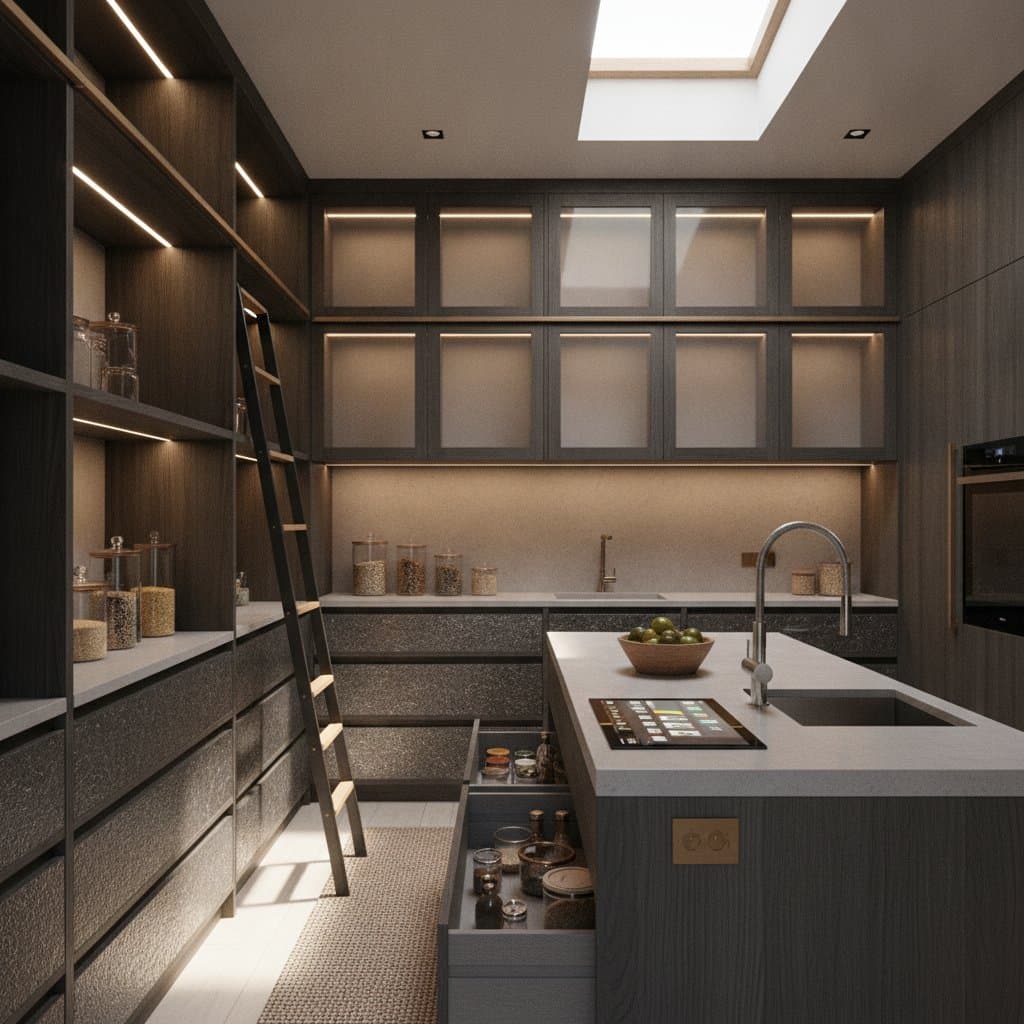
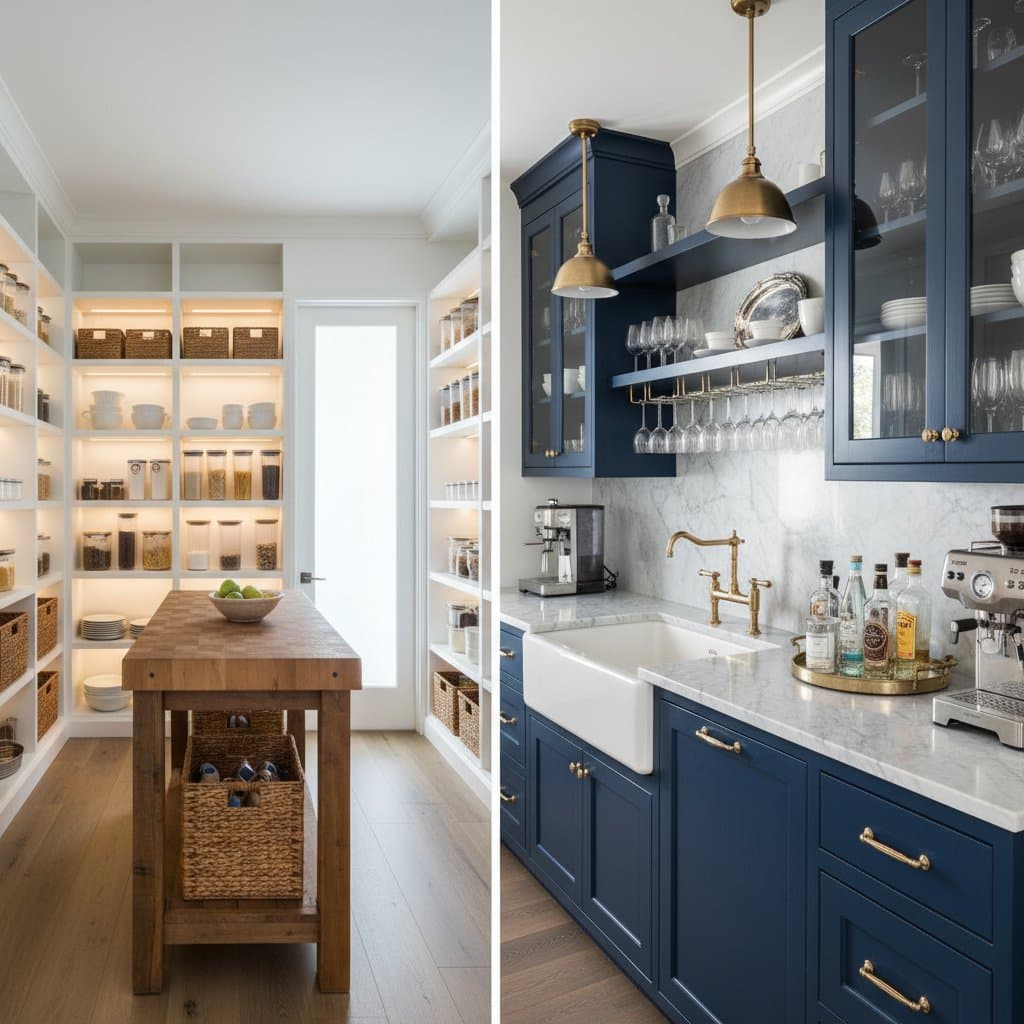
A walk-in pantry prioritizes volume and organization. Shelves hold canned goods, dry staples, and small appliances while the main kitchen remains free of overflow items. Users enter the space to retrieve supplies and exit quickly to continue meal preparation.
A butler's pantry supports workflow between cooking and service. Counter space allows plating appetizers or assembling drinks without crowding the primary workspace. Hosts keep serving pieces and glassware nearby for efficient refills during gatherings.
Budget Considerations
Walk-in pantries generally require lower investment when existing closets or alcoves are adapted. Expenses center on shelving, basic lighting, and wall finishing. Custom wood or pull-out systems raise costs but remain modest compared with full cabinetry installations.
Butler's pantries involve higher outlays because they incorporate countertops, cabinetry, and often plumbing or electrical connections. Material selections such as stone surfaces or integrated appliances determine the final range. Early budgeting should account for both installation and long-term maintenance.
Storage and Workflow Features
Walk-In Pantry Details
Effective walk-in designs begin with a minimum four-foot by four-foot interior for comfortable movement. Adjustable shelves accommodate varying package sizes. Pull-out drawers reduce reaching for heavy items, and door-mounted racks organize spices within view.
Additional steps include grouping items by category and adding a small countertop for mixing tasks. These measures keep the main kitchen counters clear while supporting weekly grocery loads.
Butler's Pantry Details
Butler's pantry layouts need at least four linear feet of wall for functional cabinetry and counter depth. Outlets positioned at counter height power small appliances. A compact sink handles quick rinsing of utensils and glassware.
Drawers sized for linens and trays keep serving supplies orderly. Glass-front cabinets display stemware while protecting it from dust. Such arrangements streamline hosting without repeated trips to distant storage.
Implementation Steps
Measure available floor area and adjacent walls before final selection. Confirm that door swings and traffic paths remain unobstructed. Establish a materials list that matches expected use intensity and cleaning routines.
Coordinate electrical and plumbing rough-ins early if a sink or additional outlets are planned. Select finishes rated for moisture and frequent handling. Schedule a final walkthrough to verify shelf heights and lighting coverage.
Sustaining Long-Term Value
Regular rotation of pantry stock prevents expired goods from accumulating. Motion-activated lights in walk-in spaces improve visibility without constant switch operation. Surface clearing after each use preserves the tidy appearance of a butler's pantry.
Both styles contribute to smoother meal routines and reduced visual clutter. Homeowners who match pantry type to actual habits report higher satisfaction and better organization months after installation.