
Transform Your Kitchen with Nature's Touch in 2026
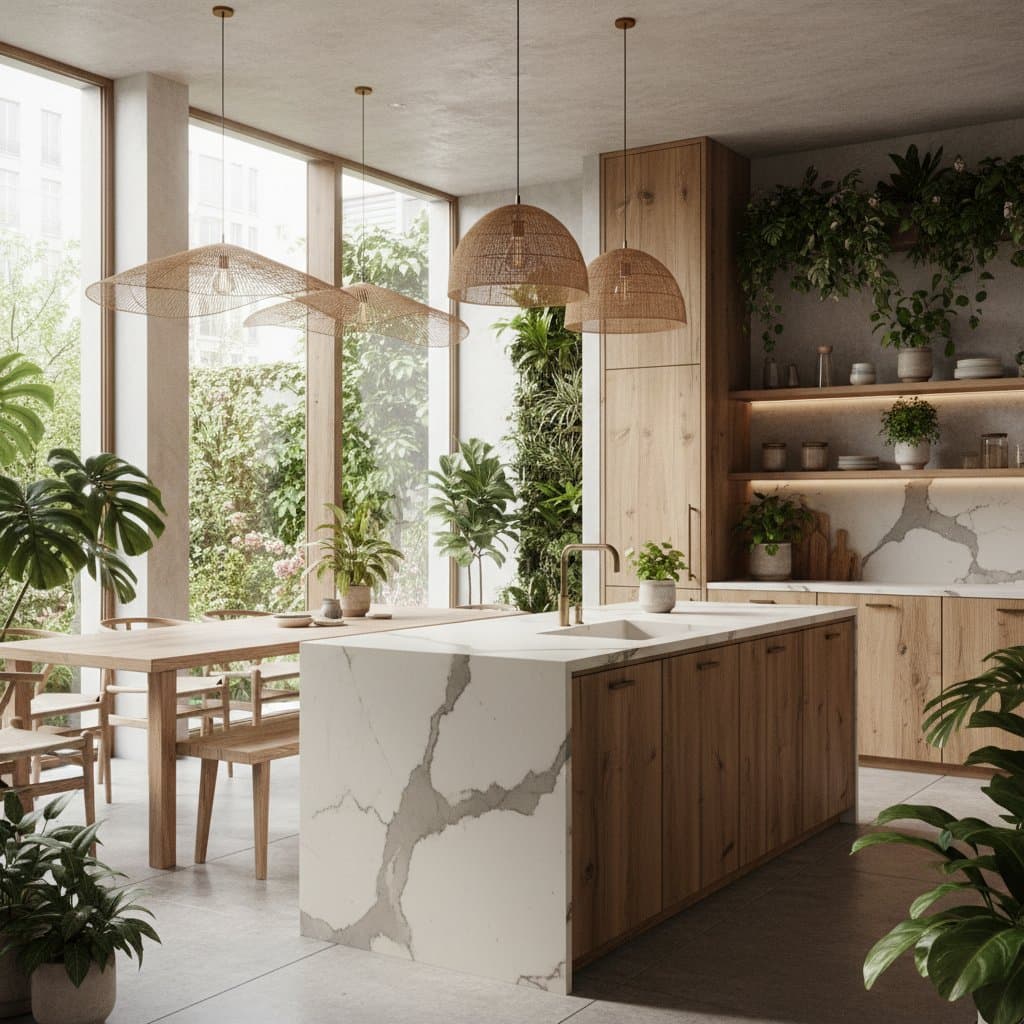
This article showcases the most popular kitchen images shared on design platforms over recent months. In urban apartments and seaside homes alike, residents increasingly favor biophilic design, which incorporates natural materials, fluid shapes, and grounded color schemes into the core of the household. The attraction lies in creating kitchens that promote restoration, sensory engagement, and a bond with the external environment. Designers channel this desire for tranquility into practical, habitable areas. Observe abundant wood textures, stone surfaces, indoor plants, and daylight applied innovatively to render the kitchen stable yet motivational.
The following seven examples illustrate methods to introduce nature's essence into your kitchen, ranging from minor enhancements to comprehensive overhauls.
1. Forest Feel
A Seattle residence, crafted by Mara Linton Interiors, imports the exterior world indoors via a bold yet harmonious color scheme. Cabinetry in deep green with a matte pine finish complements brushed brass hardware and veined soapstone surfaces. Vertical tongue-and-groove paneling adorns the area behind open shelves, replicating the verticality of tree bark and lending a cozy yet polished aesthetic. The arrangement facilitates circulation around a central island that functions as both preparation station and casual dining spot. This configuration yields a kitchen reminiscent of a contemporary woodland lodge, while retaining metropolitan elegance.
2. Coastal Air
Within a sun-drenched Malibu beachfront property, Studio Avery Design developed a kitchen infused with maritime vitality. White oak panels cover the base cabinets, while the backsplash sparkles with handcrafted aqua glass tiles. Linen window treatments soften the sunlight entering via high clerestory openings, producing a dynamic luminescence that evolves with the day's progression. Open shelves exhibit white pottery and collected sea glass, establishing a serene cadence aligned with the site's leisurely atmosphere. Practical features, such as a hidden exhaust system and integrated under-cabinet cooling, maintain emphasis on streamlined forms and fluid navigation.
3. Stone Serenity
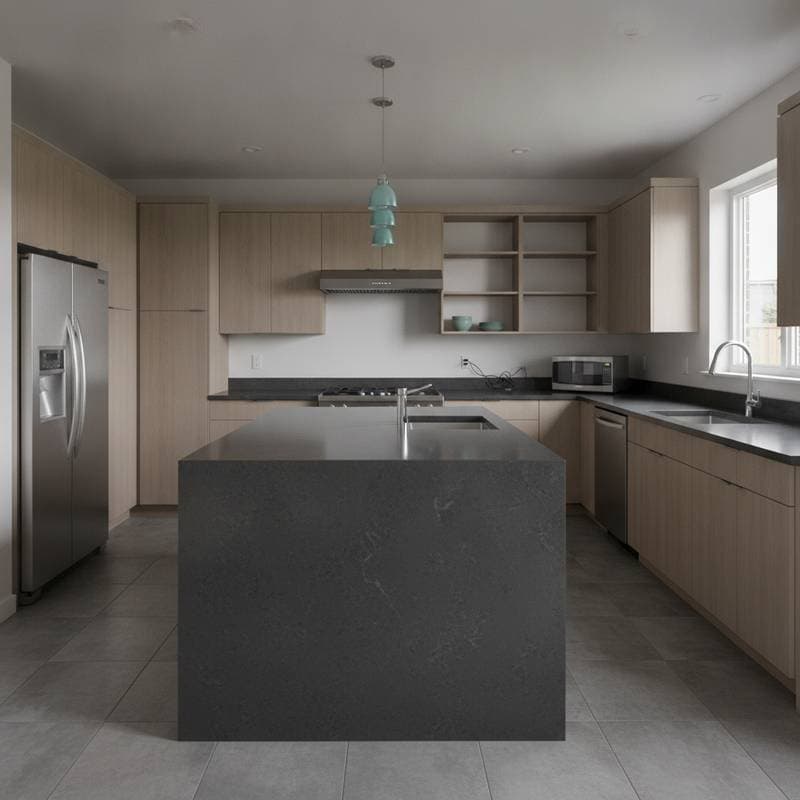
James Caldwell Design Group revitalized a Denver suburban kitchen through restrained hues and pronounced tactility. At the center stands a honed limestone island alongside charcoal-toned concrete flooring, fostering interplay between polished and coarse finishes. Slim black pendant lights suspend overhead, mirroring the angularity of the window casings. Each selection prioritizes resilience and sensory appeal. The stone provides a chilled surface for food preparation, and unobstructed views to the adjacent garden dissolve the divide between interior and exterior. This kitchen encourages pause and reverence for the inherent irregularities found in authentic stone.
4. Urban Garden
A Brooklyn loft project by Nora Kent Studio demonstrates that modest kitchens can flourish with biophilic elements. Above the sink, a vertical herb garden employs powder-coated steel containers paired with self-irrigating terracotta modules. This wall installation serves as dynamic artwork, contributing fragrance, dimension, and vitality. Warm walnut cabinets anchor the area, and a countertop of recycled glass bounces light from expansive industrial panes. In addition to visual charm, the vegetation enhances indoor air purity and prompts spontaneous culinary endeavors. The approach suits constrained layouts while fostering an environment of cultivation and attentiveness.
5. Earth and Iron
During an Austin renovation, Riley Owens Design blended unrefined elements with precise execution. The kitchen includes patinated iron racks affixed to walls coated in clay plaster shaded in pale beige. This pairing evokes both a pastoral studio and a curated exhibit space. A bespoke island, surfaced with salvaged mesquite timber, acts as the focal point for communal meals and cooking tasks. Utility aspects, including concealed storage compartments and embedded electrical outlets, sustain the rugged appearance without disorder. The composition highlights juxtaposition, revealing that terrestrial grains and robust metals harmonize effectively through deliberate scaling and illumination from natural sources.
6. Glass Canopy
An extension featuring a glass ceiling converted a London row house kitchen, executed by Ellis & Moore Design Studio, into a verdant atrium. Polished terrazzo tiles on the floor capture the radiance streaming from the transparent overhead panels. Containers brimming with ferns and cascading ivy border the edges, tempering the built form and accentuating celestial vistas. Cabinets in subdued sage enamel connect the contemporary framework to its verdant context. All operational components, from adjustable shades to radiant floor systems, prioritize ease while optimizing natural illumination. The outcome is a tranquil kitchen that appears exposed to the weather yet remains fully managed.
7. Mountain Calm
Situated in an Aspen lodge, Megan Doyle Interiors fashioned a kitchen inspired by the encircling terrain. Rough-sawn cedar rafters traverse the overhead, complemented by creamy quartzite worktops that evoke the gleam of alpine snow. The scheme adheres to neutrals in taupe, sand, and ivory, permitting the integrity of materials to predominate. The spatial organization directs attention toward broad windows overlooking conifer-draped hillsides. Daily sunlight variations alter the wood's hue, establishing an ongoing link to the landscape. Integrated benches adjacent to the hearth render this kitchen versatile and emotionally comforting.
Why Nature Continues to Shape Kitchen Design
Biophilic design endures in popularity because it addresses profound needs beyond mere appearance. The kitchen has progressed from a mere service area to a venue for assembly, innovation, and contemplation. Organic surfaces and unprocessed coatings enable individuals to reengage with fundamental tactile sensations. The texture of wood beneath the hand, the chill of stone, and the aroma of fresh herbs on the work surface cultivate a subtle equilibrium absent in digital-saturated settings.
Professionals explore eco-friendly options like bamboo, cork, and repurposed aggregates. These choices diminish ecological footprints while imparting gentle visual coziness. Integrating them with energy-efficient devices and diffused LED illumination produces a forward-thinking kitchen that balances progress with rootedness.
A key motivator is wellness. Research indicates that exposure to natural features boosts emotional state and concentration. Kitchens adjacent to patios or incorporating foliage symbolize intentional lifestyles over opulent indulgence.
For remodel considerations, regard equilibrium as the core tenet. Merge subdued bases with select prominent natural accents. Options include a live-edge timber surface, an earthen tile wall covering, or a roof aperture that bathes the room in daylight.
Maintaining Harmony in Your Natural Kitchen
Incorporating nature into your kitchen represents an enduring commitment rather than a singular effort. Vegetation requires tending, organic substances age gracefully, and illumination varies across seasons. Welcome this progression. A fissure in marble or the mellowing of wood grain enhances genuineness and narrative within the environment. In my modest dwelling amid oak trees, the walnut surfaces have enriched in color annually.
- Refresh plant selections according to seasonal shifts to sustain vitality and attunement to environmental patterns.
- Apply natural conditioners to wooden counters or boards, safeguarding both aesthetics and longevity.
- Align artificial lights with natural daylight, employing adjustable controls to modulate ambiance and intensity daily.
- Curate displays of organic finds such as shells, pebbles, or preserved foliage to introduce understated dimension and individual significance.
Designs that respect nature's cadences render even demanding kitchens rejuvenating. Initiate with a lone potted plant or pursue a thorough structural update; the objective persists: to forge an area that sustains physical, mental, and emotional health.