
2026 Outdoor Kitchens: Key Trends and Escalating Costs
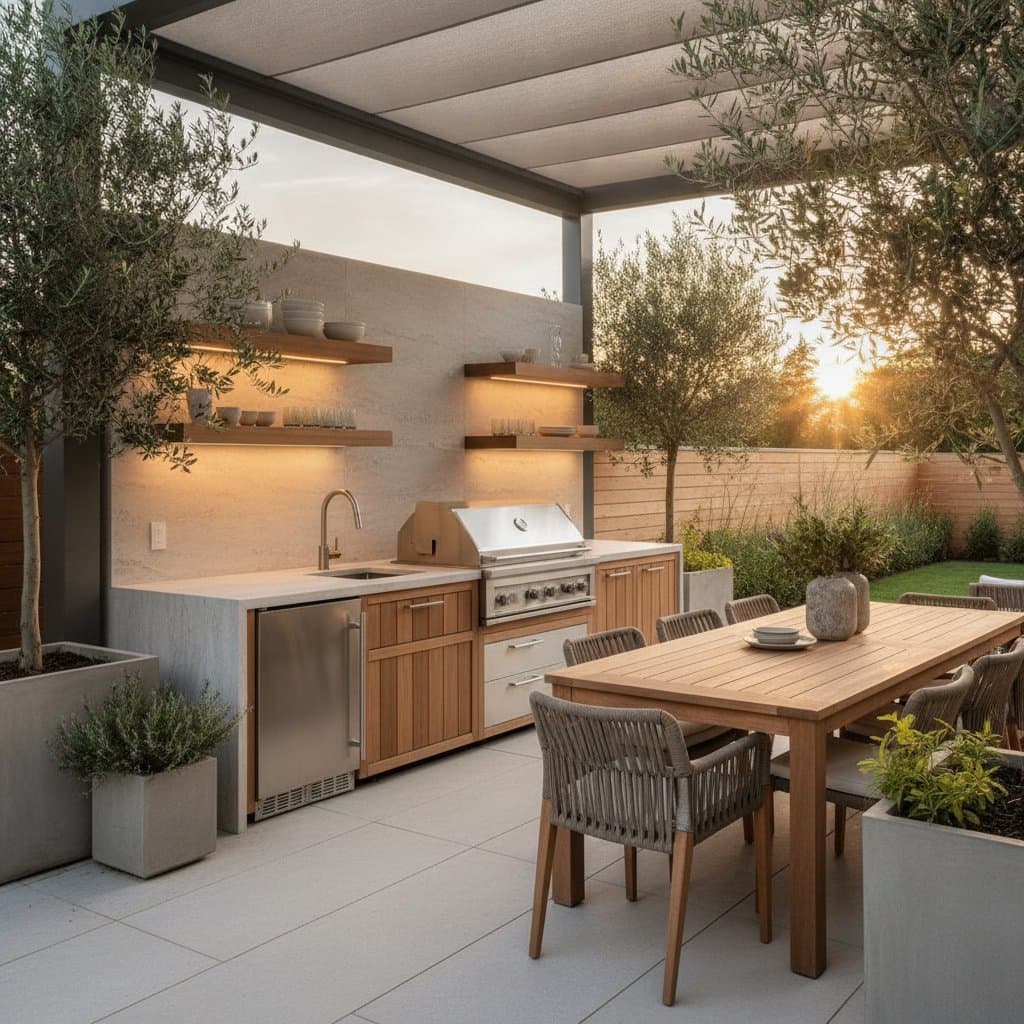
Design platforms show a clear shift in homeowner preferences for outdoor kitchens this year. Searches and saves for backyard kitchen ideas have increased significantly, with popular images displaying natural stone surfaces, embedded pizza ovens, and hidden storage solutions. These elements compete with the sophistication of indoor culinary spaces. This article examines the prominent trends shaping outdoor kitchens in 2026, analyzes the factors driving higher costs, and provides strategies to optimize investments for maximum value.
Homeowners seek spaces that integrate daily routines with outdoor enjoyment. Examples illustrate how intentional planning elevates a simple patio into a versatile hub for cooking and gathering. Whether pursuing a high-end installation or a basic enhancement, these designs demonstrate the potential to extend home functionality into the backyard.
Emerging Trends in Outdoor Kitchen Design
Several trends dominate 2026 outdoor kitchen developments. First, sculptural finishes gain prominence, where materials like textured concrete or forged metal add visual depth without overwhelming the space. Designers incorporate these to create focal points that withstand environmental exposure.
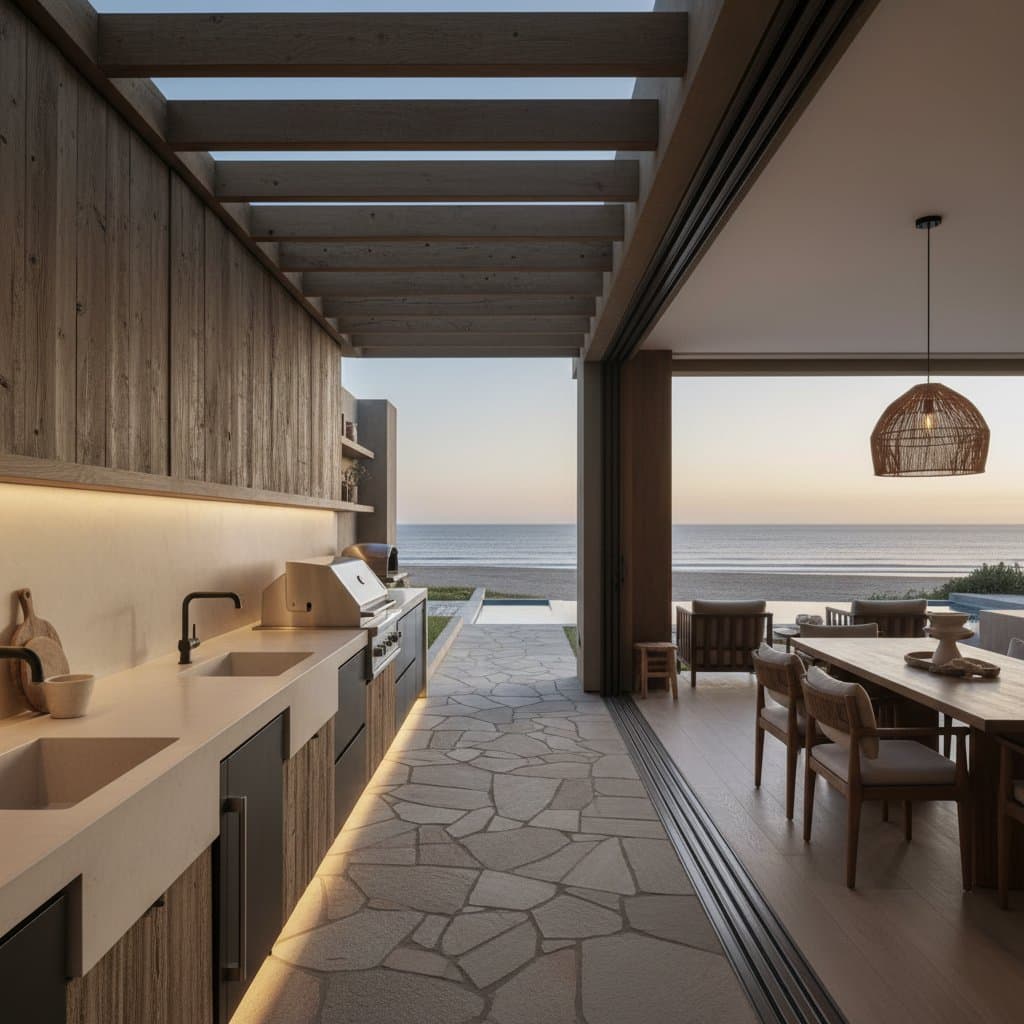
Seamless indoor-outdoor transitions represent another key evolution. Sliding glass walls or continuous flooring materials blur boundaries, allowing kitchens to serve as extensions of interior layouts. This approach maximizes usability during mild weather while maintaining aesthetic cohesion.
Built-in appliances continue to rise in popularity. Integrated grills, sinks, and refrigeration units streamline workflows and reduce clutter. Homeowners favor modular systems that allow customization based on family needs and available space.
Sustainability influences material choices as well. Recycled composites and low-maintenance synthetics appeal to environmentally conscious buyers. These options balance eco-friendliness with the durability required for year-round exposure.
Factors Contributing to Rising Costs
Outdoor kitchen expenses have climbed steadily, with average projects now ranging from $15,000 to $50,000 or more. Inflation affects raw materials, particularly natural stones and premium metals, which have seen price increases of up to 20 percent. Labor costs also contribute, as skilled craftsmen command higher rates for weather-resistant installations.
Supply chain disruptions further elevate expenses. Imported elements like Italian tiles or custom cabinetry face delays and markups. Homeowners report that fully equipped setups, including plumbing and electrical integrations, add thousands to the total.
Despite these pressures, strategic planning mitigates impacts. Selecting locally sourced materials cuts transportation fees, while phased construction spreads costs over time. Energy-efficient appliances qualify for rebates in some regions, offsetting initial outlays.
Featured Outdoor Kitchen Designs
The following examples highlight diverse approaches to 2026 trends. Each project showcases unique material applications and functional layouts tailored to its environment.
1. Charred Timber Retreat
Location: Austin, Texas
Designer: Riddle Design Group
This design employs the Japanese shou sugi ban method, charring cypress panels to frame a durable quartzite countertop. The dark, textured surfaces contrast with smooth concrete flooring that flows from the adjacent patio. A matte black steel vent hood unifies the color scheme.
To achieve balance, the layout pairs deep shadows with ample natural light, fostering an intimate yet welcoming vibe. Open shelves provide easy access to cooking tools, and under-counter LED strips enhance visibility for nighttime use. Homeowners appreciate how this setup withstands Texas humidity while inviting extended gatherings.
2. Urban Oasis
Location: Brooklyn, New York
Designer: Field & Clay
In a constrained rooftop setting, this kitchen maximizes efficiency through a continuous stainless steel counter that wraps around the perimeter. The brushed finish captures urban reflections, complemented by concrete planters for vertical greenery. Porcelain tiles replicating travertine form the backsplash, resisting urban pollutants and temperature fluctuations.
Storage solutions include pull-out drawers integrated below the counter, preserving a sleek profile. This configuration supports compact cooking tasks, from quick meals to small parties. The industrial aesthetic aligns with city living, proving that functionality thrives in limited areas.
3. Garden Pavilion
Location: Portland, Oregon
Designer: Aimee Farrell Studio
Nestled under a cedar pergola entwined with jasmine, this kitchen integrates seamlessly with its garden surroundings. Honed soapstone counters coordinate with sage-green cabinets finished in marine-grade paint for weather protection. The cooking area features a built-in smoker alongside a wood-fired oven for versatile preparation methods.
The design emphasizes multisensory engagement through aromatic vines, tactile surfaces, and diffused light. Cabinets hide storage for utensils and fuel, maintaining a tidy appearance. This arrangement transforms routine cooking into an immersive experience, blending natural elements with refined details.
4. Rustic Revival
Location: Asheville, North Carolina
Designer: Harlan & Moss Design
Reclaimed barn wood combines with matte black granite and wrought iron accents to evoke heritage in this setup. The central island uses hand-forged brackets to support a substantial countertop, emphasizing artisanal quality. A spacious farmhouse sink facilitates cleanup during lively events.
The layout delineates distinct zones for preparation, cooking, and serving, promoting efficient movement. Textural variations add warmth and character, evoking memories of traditional communal meals. Guests connect over shared stories, with the design's authenticity enhancing every interaction.
5. Scandinavian Light
Location: Minneapolis, Minnesota
Designer: Emma Rolf Design
Pale pine cabinets, white quartz surfaces, and brushed nickel fixtures create a bright, uncluttered atmosphere. Birch beams in the overhead pergola soften incoming sunlight, preventing glare during meals. An induction cooktop embeds flush with the counter, while a drawer-style refrigerator preserves the minimalist lines.
Natural illumination and neutral palettes expand the perceived space, ideal for northern climates with variable light. The compact arrangement accommodates solo cooking or family dinners, reflecting Nordic principles of simplicity and utility. This design encourages daily use without visual overload.
Maintaining and Enhancing Your Outdoor Kitchen
An outdoor kitchen investment yields long-term benefits by redefining living spaces. Even basic configurations foster social bonds and elevate property appeal. To ensure longevity, implement these maintenance practices.
- Seal Protective Layers: Renew sealants on stone and wood elements each year to block moisture and retain vibrancy.
- Incorporate Shade Solutions: Install pergolas, fixed umbrellas, or retractable covers to shield users from sun and light rain.
- Optimize Storage Options: Equip areas with sealed cabinets or weather-resistant bins to safeguard tools and accessories.
- Integrate Lighting Layers: Position focused lights over cooking surfaces and ambient fixtures for relaxed evenings.
- Select Adaptable Furnishings: Choose modular benches or foldable tables that adjust to varying group sizes.
Experts forecast sustained interest in outdoor kitchens, fueled by preferences for adaptable homes and private entertaining. Focus on authentic materials, user comfort, and environmental harmony to craft spaces that endure. These installations celebrate the intersection of creativity, utility, and outdoor vitality, inviting meaningful moments around shared meals.