
Why 2026 Will Transform Your Wet Room Remodel Costs
Recent data from leading home design platforms indicates a sharp increase in searches for wet room remodel ideas and curbless shower installations. Homeowners increasingly desire open, spa-like bathrooms that blend minimalism with indulgence. This surge stems not only from aesthetic preferences but also from evolving cost structures driven by innovations in materials, installation techniques, and waterproofing technologies.
These changes will directly impact remodel budgets, making high-end features more attainable. This article examines the key factors reshaping wet room pricing, highlights upgrades that deliver strong value, and explains how emerging materials democratize luxury finishes. For those planning a full renovation or a modest conversion, the following sections provide strategies to build a waterproof retreat affordably.
1. The Projected Cost Decline
Experts predict a 30% drop in wet room remodel costs by 2026, based on current trajectories in material production and labor efficiencies. Traditional wet rooms often exceed $20,000 due to complex waterproofing and custom installations. However, scalable manufacturing and standardized components will streamline processes, reducing expenses without sacrificing quality.
For instance, prefabricated waterproof panels now integrate seamlessly with standard plumbing, cutting installation time by up to 40%. Homeowners can expect average project costs to fall from $15,000-$25,000 to $10,500-$17,500. This decline opens wet rooms to a broader audience, emphasizing accessibility alongside style.
2. Smart Waterproofing
Waterproofing systems have evolved beyond basic necessities into efficient, feature-rich solutions. Advanced options like polyethylene waterproof sheets and liquid-applied barriers now serve as premium yet practical elements. In a compact New York apartment by Mara Design Studio, installers applied a lightweight waterproof board under matte terrazzo tiles, minimizing both structural weight and overall expenses.
These materials accelerate installation and cut labor hours substantially. They also support diverse tile selections by preventing leaks effectively. As a result, robust waterproofing transitions from an optional upgrade to a baseline expectation in mid-range remodels, stabilizing long-term costs.
3. Curbless Convenience
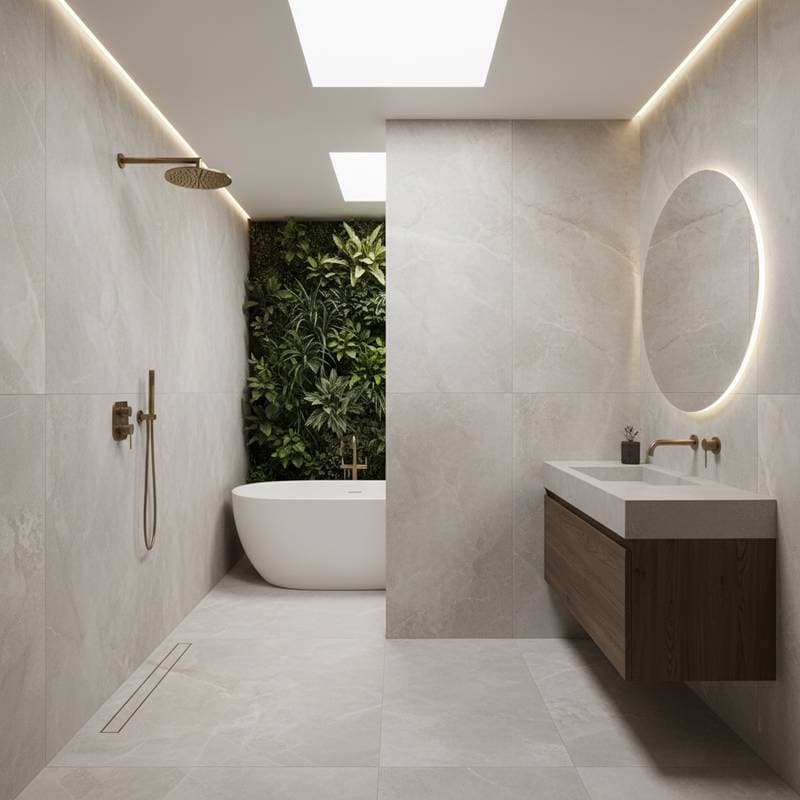
Curbless showers define the wet room aesthetic with their seamless, level-entry design that enhances accessibility across age groups. A Los Angeles project by Harbor + Pine Interiors featured a brushed concrete floor flowing into the shower area, enclosed by frameless glass panels to manage water while preserving an open feel.
This configuration removes barriers that constrain small spaces, easing maintenance and eliminating trip risks. Pre-sloped shower trays and unified drains simplify construction, potentially reducing labor costs as these elements gain popularity. By 2026, widespread adoption will further standardize these features, driving down prices.
4. Warmth and Texture
Tactile finishes that emulate natural elements are reshaping wet room economics. Professionals increasingly select wood-look porcelain, textured stone composites, and matte brass fixtures for their inviting appeal. In a Chicago townhouse renovated by Ellis Interiors, oak-effect porcelain climbed the shower walls, complemented by satin gold fixtures that softly illuminate the space.
These alternatives deliver warmth and elegance with superior durability and moisture resistance compared to authentic materials. Their longevity minimizes replacement needs, while rising demand prompts manufacturers to offer budget-friendly variants. Over time, this will lower material costs and broaden design options.
5. Compact Luxury
Efficient use of space influences pricing in small-scale wet rooms, where zones integrate fluidly within a single waterproof area. Nadia Clarke Design revamped a narrow London flat using glossy white Moroccan zellige tiles and a built-in bench in the shower niche, serving dual purposes as seating and storage.
Such layouts maximize limited square footage while providing premium functionality. As compact designs proliferate, suppliers introduce modular waterproof kits tailored for petite bathrooms, decreasing material waste and installation efforts. This efficiency redefines luxury as attainable and budget-conscious.
6. Lighting the Mood
Strategic lighting now factors prominently into wet room budgets, enhancing ambiance and utility. Recessed LED strips behind mirrors or along ceilings produce gentle, even light. Haven Studio's Seattle project incorporated backlit niches to accentuate tile textures, fostering a calming atmosphere for evening use.
Dimmable, energy-efficient systems endure longer and consume less power, with moisture-resistant fixtures easing setup. Integrating lighting early in the planning phase allows coordination between electricians and tilers, avoiding costly adjustments later. This proactive approach optimizes both design and expenses.
7. Sustainable Shifts
Sustainability plays a pivotal role in cost dynamics through eco-conscious materials like recycled glass tiles, low-flow fixtures, and efficient underfloor heating. Briar & Co. Interiors outfitted a Portland bathroom with recycled mosaic tiles over a low-voltage radiant heat mat, ensuring comfort with reduced energy demands.
Once priced at a premium, these elements now compete with traditional choices due to expanded production. By 2026, their integration will normalize green features in standard budgets, empowering homeowners to select environmentally sound options without financial strain.
Maintaining Your Wet Room Investment
Effective wet room designs harmonize aesthetics, usability, and durability for lasting satisfaction. To preserve these spaces, seal grout lines every six months, clear drains weekly to avoid clogs, and apply mild cleaners to protect surfaces. Wipe down areas after use to prevent residue accumulation and sustain the seamless, modern appearance.
Regular upkeep extends the lifespan of waterproof components and maintains visual appeal. Homeowners who follow these practices enjoy a functional, stylish retreat that enhances daily routines for years.