Essential Waterproofing Strategies for 2025 Wet Rooms
A recent survey from the Home Improvement Research Institute indicates that 41 percent of homeowners encounter unforeseen water damage expenses during wet room renovations, primarily from insufficient waterproofing. This figure underscores the monetary hazards in pursuing a modern, easy-to-maintain bathroom transformation. Waterproofing serves as more than a procedural element; it functions as the core support for the project's economic viability.
Uncovering Leak-Related Expenses
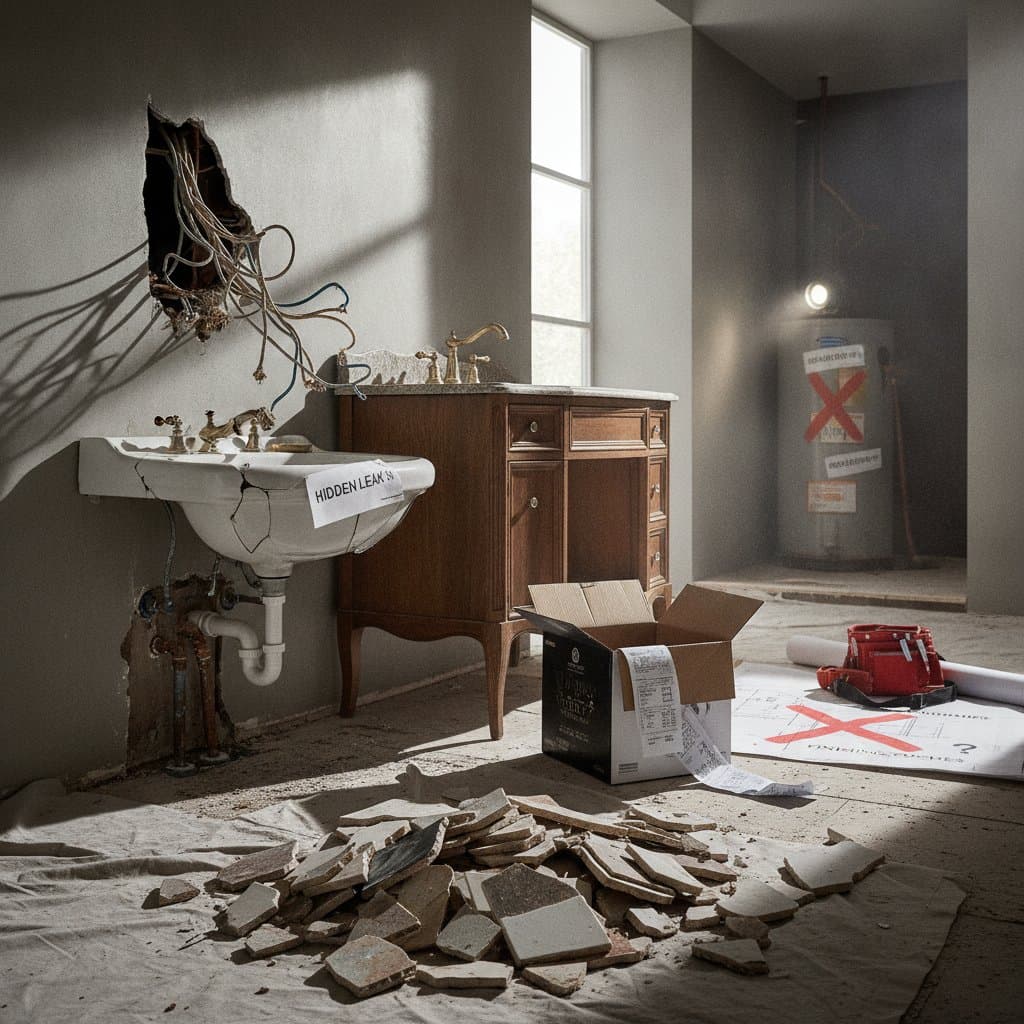
Failures in waterproofing rank among the leading causes of budget overruns in wet room projects. A small leak can undermine the subfloor's stability and necessitate mold removal expenses that surpass the initial tiling investment. Many overlook the extent to which water seeps through grout seams and shower connections. Absent a unified barrier, infiltration spreads to wall cavities and flooring beneath, manifesting damage only after significant progression.
"Once moisture breaches the membrane, the issue shifts from surface-level to requiring structural fixes," notes David Corbett, a certified building envelope consultant at Corbett Building Science Group. With over fifteen years in residential waterproofing evaluation and analysis, Corbett emphasizes the progression of such problems.
Advances in 2025 Waterproofing Methods
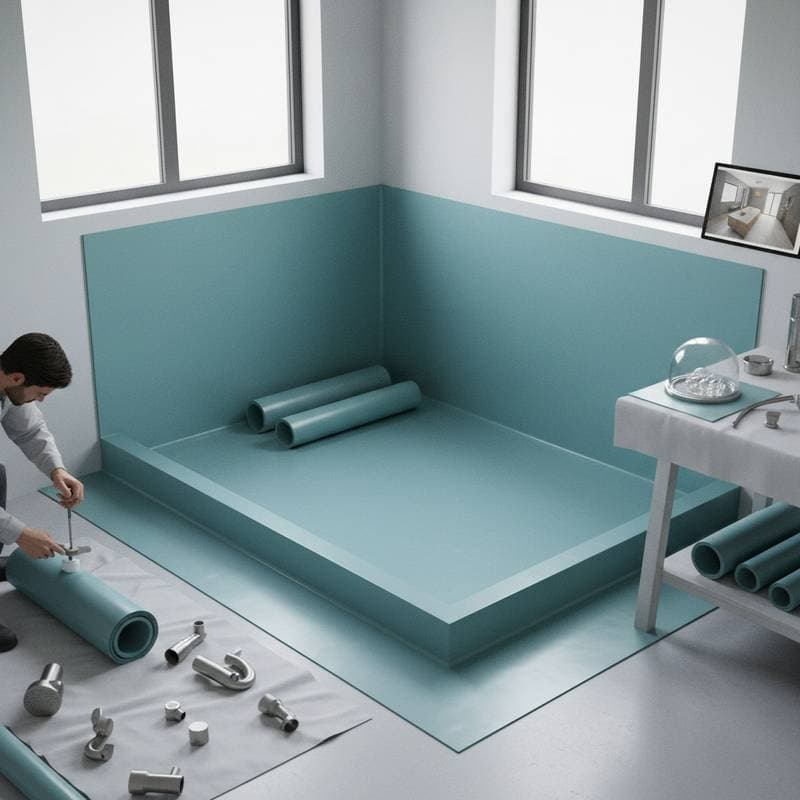
Contemporary wet room waterproofing surpasses outdated cement renders. The Building Products Digest Market Review reports that polymer membranes now dominate 63 percent of home wet area applications. These materials provide superior flexibility, enhanced bonding, and quicker setting periods.
Dr. Leanne Ford, senior materials engineer at HydroSeal Systems, explains, "Resin-bonded membranes adapt effectively to surface shifts, minimizing fractures and extending durability. They also shorten application durations, potentially cutting labor expenses by as much as ten percent."
As workforce costs escalate, choosing an appropriate membrane involves both technical and budgetary considerations.
Constructing a Budget-Conscious Waterproofing Framework
-
Conduct a preliminary moisture evaluation
Engage a certified waterproofing expert to assess the existing substrate and humidity prior to any removal or setup work. This $300 evaluation can avert repair bills in the thousands. -
Choose a suitable membrane system
Align the membrane with the subfloor and wall compositions. Sheet membranes work well on concrete bases, whereas liquid coatings excel on wood or hybrid surfaces. -
Reinforce corners and joints
These areas represent prime vulnerability points. Adding reinforcement strips and molded corner pieces incurs $200 to $400 in supplies yet can prolong the membrane's effectiveness by roughly 50 percent. -
Confirm proper gradient and outflow
Level-entry showers demand exact sloping to avoid stagnation. Faulty gradients promote water spread and may invalidate guarantees. Correcting slopes professionally costs $600 to $900, making initial accuracy crucial. -
Perform a flood verification test
A 24-hour water retention trial, priced at about $250, validates the system's seal prior to tiling. Overlooking this often leads to expensive oversights.
Evaluating Project Expenses
Complete waterproofing for a standard-sized bathroom ranges from $1,500 to $3,000. Premium resin or combined membrane options may climb to $5,000, though they yield stronger returns over time. The National Kitchen and Bath Association states that sound waterproofing extends wet room lifespan by up to 40 percent, lowering upkeep needs and enhancing property appeal.
Sandra Liu, project manager at Bluepoint Construction Services, advises, "Clients should dedicate at least 15 percent of the bathroom allocation to waterproofing. Cutting corners there seldom proves economical when accounting for potential fixes."
Sourcing and Confirming Expertise
Prior to agreements, confirm the contractor's credentials, including IICRC WRT certification or manufacturer-endorsed installer qualifications. Demand documentation on material suitability, warranty terms, and test outcomes.
For self-directed projects, refer to the Tile Council of North America Handbook for validated waterproofing configurations. Numerous vendors provide free consultations via technical lines, where specialists examine plans.
Sustaining Long-Term Performance
After completion, routine checks preserve the waterproofing's efficacy. Reapply sealant to floor seams biennially, inspect fixture perimeters for silicone wear, and document all upkeep activities.
A robust waterproofing setup transcends its concealed position under tiles; it acts as a fiscal shield for the entire renovation outlay. Integrating current materials, qualified oversight, and rigorous verification enables the seamless, barrier-free aesthetic desired, free from dreaded remediation charges.
Secure wet rooms rely on strategic waterproofing from the outset.