
Why 41% of Bathroom Remodels Fail Within Two Years: Mastering Waterproofing for Wet Rooms
A recent Houzz Bathroom Trends survey reveals that 41 percent of homeowners experience moisture-related problems in their remodeled bathrooms within two years. Water infiltration through inadequately sealed floors and walls stands out as the primary culprit. As wet rooms gain traction for their open, spa-inspired designs, effective waterproofing emerges as the key to avoiding these pitfalls and transforming a potential luxury into a reliable asset.
Homeowners embarking on a 2025 remodel must grasp the fundamentals of waterproofing. This process safeguards against leaks, mold growth, and expensive fixes. By focusing on proven materials, installation techniques, and expert oversight, individuals can ensure their bathroom withstands daily use while maintaining aesthetic appeal.
The Foundations of Wet Room Waterproofing
Waterproofing in wet rooms begins with thorough preparation of the substrate. Professionals start by inspecting the existing floor and wall surfaces for cracks, unevenness, or residual moisture. Cleaning removes debris and old adhesives, creating a stable base that bonds effectively with new materials.
Next, apply a primer to enhance adhesion. This step prevents delamination, where layers separate under water exposure. For optimal results, allow the primer to cure fully before proceeding, typically for 24 hours in moderate temperatures.
Substrate preparation also involves verifying the floor's levelness. Use a laser level to identify slopes greater than one-eighth inch per foot, which can cause water pooling. Correcting these issues early avoids future drainage problems and extends the lifespan of the waterproofing system.
Selecting the Right Materials and Membranes
Choosing appropriate materials determines the durability of a wet room. Liquid-applied membranes offer flexibility for irregular surfaces, forming a seamless barrier when rolled or brushed on in multiple coats. These products, often acrylic or polyurethane-based, cure to create a watertight seal resistant to foot traffic.
Sheet membranes provide an alternative for larger areas. Pre-fabricated rolls install quickly over flat substrates, with seams overlapped and sealed using compatible adhesives. Cementitious options, mixed with water and troweled on, suit high-moisture zones like shower surrounds due to their breathability and crack-bridging properties.
Consider compatibility with tile adhesives and grouts. Materials must meet standards such as ANSI A118.10, ensuring they handle submersion without degradation. Test samples in a small area to confirm performance under simulated wet conditions before full application.
Professional Standards and Installation Techniques
Waterproofing qualifies as a specialized task requiring adherence to industry benchmarks. Contractors follow ASTM C627 for evaluating tile assemblies under dynamic loads, simulating real-world bathroom use. This standard guides the selection of membranes capable of withstanding impacts from dropped objects or heavy fixtures.
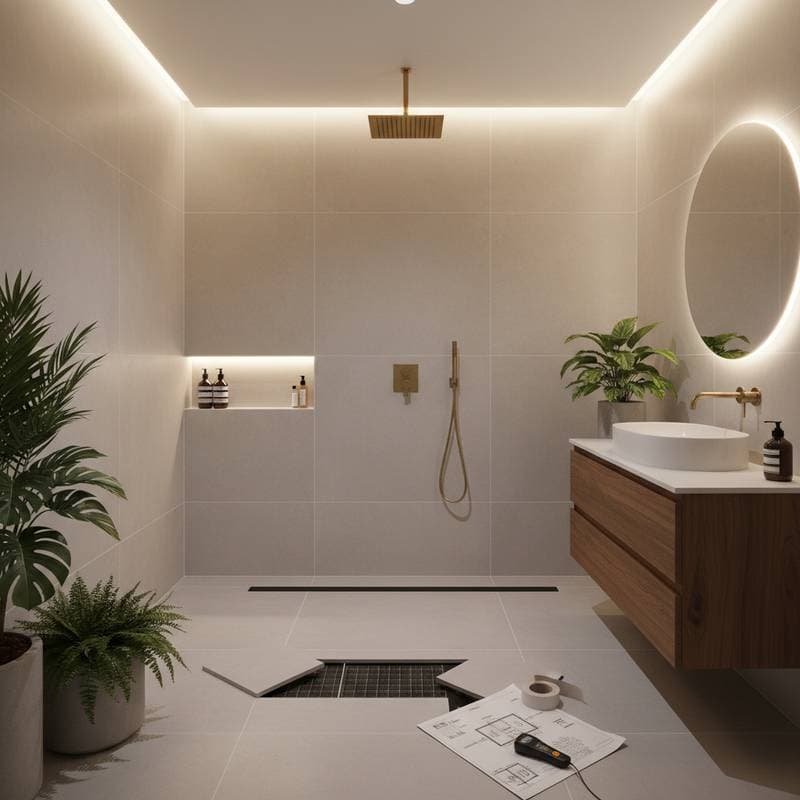
Installation demands precision in sealing joints, corners, and penetrations around pipes or drains. Apply reinforcing fabric at these vulnerable points to distribute stress and prevent cracks. Professionals employ moisture meters to detect hidden dampness and slope gauges to ensure a minimum two percent fall toward the drain.
“Homeowners often overlook the complexity of waterproofing. It involves more than surface application; every detail, from joint flashing to edge detailing, must align with manufacturer guidelines,” notes Lisa Grant, Senior Project Manager at BlueSeal Construction, who brings 18 years of expertise in residential projects.
Flood testing validates the system's integrity. After membrane application and curing, fill the area with water to a depth of two inches for 24 hours. Monitor for leaks and document results with photographs, providing evidence of compliance for warranties.
Integrating Waterproofing into the Remodel Timeline
Timing plays a crucial role in successful waterproofing. Schedule this phase after rough plumbing and framing but before tile installation. Delaying exposes the membrane to construction dust, compromising its seal.
Coordinate with other trades to avoid disruptions. Electricians must route wiring away from wet zones, while plumbers confirm drain placements align with the planned slope. This collaboration minimizes rework and ensures all elements support the waterproofing layer.
Post-installation, protect the membrane with a temporary covering until final finishes. This prevents damage from foot traffic or stored materials, preserving the investment in quality.
Budgeting for Durable Waterproofing
A comprehensive waterproofing system for a typical five-by-eight-foot wet room ranges from 1,200 to 2,400 dollars. Factors influencing cost include room dimensions, membrane type, and substrate condition. Liquid membranes prove more affordable for DIY-friendly applications, though they demand regular checks for wear.
Sheet membranes carry a higher initial price but offer superior longevity, often lasting 15 years or more with minimal upkeep. Allocate 10 to 15 percent of the total remodel budget as a contingency for surprises like subfloor drying or reinforcement.
Data from HomeAdvisor indicates that engaging licensed waterproofing specialists reduces long-term expenses by 18 percent compared to general contractors. Initial investments yield savings through avoided repairs, with break-even typically occurring within three years.
Homeowners benefit from obtaining multiple quotes and reviewing portfolios. Select providers certified by organizations like the Tile Council of North America, ensuring adherence to best practices.
Identifying and Mitigating Hidden Risks
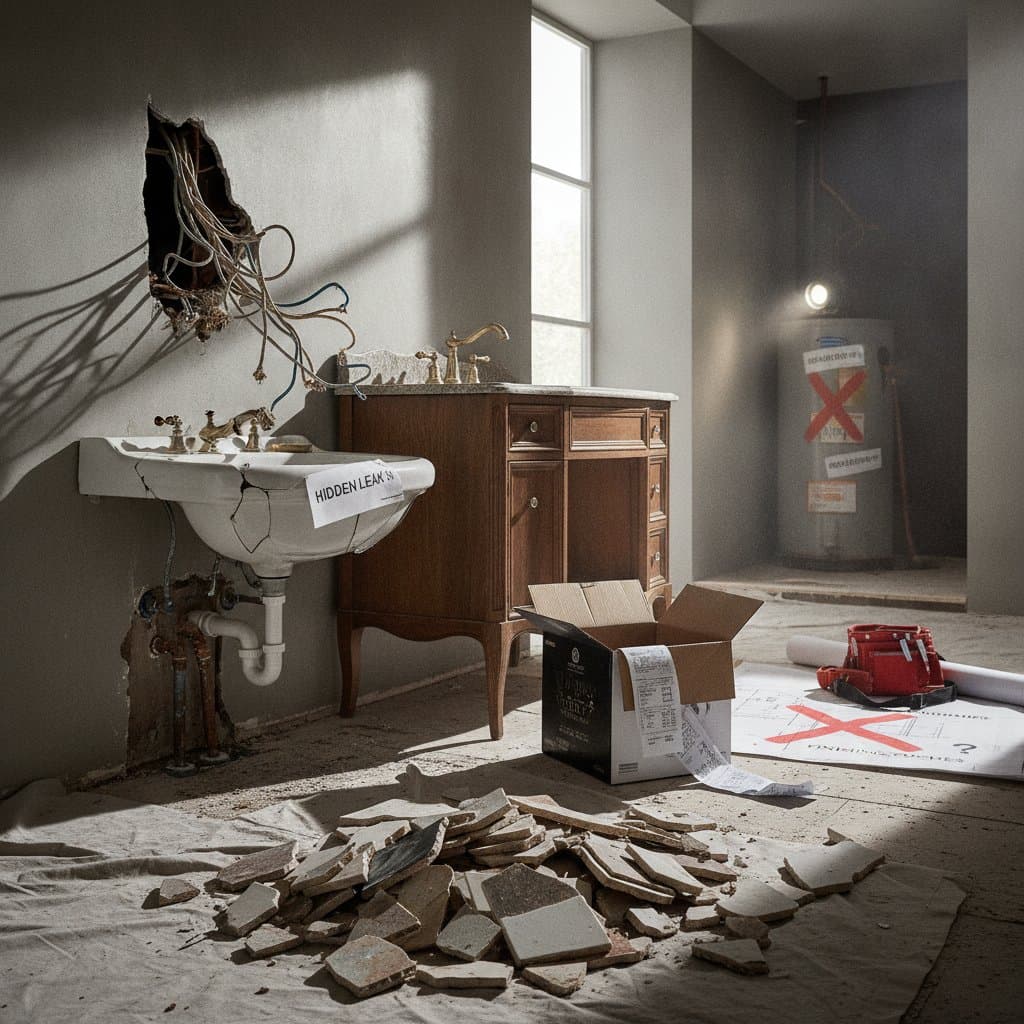
Neglecting waterproofing invites unforeseen expenses. Subfloor damage from persistent moisture may necessitate joist replacement, costing 3,000 to 7,000 dollars. Early detection through infrared scanning during remodel planning prevents escalation.
Mold growth poses health and structural threats. Remediation services average 1,500 to 4,000 dollars, involving containment, removal, and air quality restoration. Prioritize breathable membranes in humid climates to allow minor vapor escape without compromising the barrier.
Insurance policies frequently limit coverage for water damage if unlicensed installers performed the work. Verify terms and retain all receipts, specifications, and test reports to strengthen claims.
Warranties add protection; many systems guarantee 10-year performance when installed by certified professionals. Maintain records to support these assurances during home inspections or sales.
Executing and Maintaining Your Waterproofed Wet Room
Treat waterproofing as a core milestone in the remodel process. Conduct walkthroughs with the contractor to inspect seals and slopes firsthand. Request as-built drawings detailing material locations for future reference.
After completion, establish a maintenance routine. Inspect seals annually for cracks or wear, and clean drains to sustain proper flow. Address minor issues promptly to prevent water buildup.
A properly waterproofed wet room enhances daily comfort and property value. Remodeling Magazine’s Cost vs. Value report shows that midrange bathroom upgrades with robust moisture protection recover up to 58 percent of costs upon resale.
Investing in waterproofing parallels protections for roofs or foundations. This approach secures a bathroom that remains functional and attractive for years, free from the failures that plague incomplete remodels.
Securing Long-Term Success Through Proactive Measures
Homeowners achieve the best outcomes by staying involved throughout the project. Ask questions about material datasheets and installation sequences to build confidence in the results.
Consult local building codes, which may require specific flood tests or membrane thicknesses. Compliance not only avoids fines but also aligns with proven durability standards.
Ultimately, a successful wet room remodel balances beauty with resilience. By prioritizing waterproofing, individuals create spaces that deliver joy and equity without the burden of early repairs.