Understanding Curbless Shower Costs in 2026
Curbless showers eliminate barriers for a seamless, spa-like bathroom experience. These designs enhance accessibility and modern aesthetics but require careful planning to manage water flow and prevent leaks. Total installation costs range from $6,000 to $15,000, influenced by factors such as home structure, materials, and regional labor rates.
The price breakdown includes several key components. Drain installation typically costs $400 to $1,200, varying by type. Tile and materials account for $1,500 to $5,000 based on size and quality. Labor and finishing add $1,500 to $3,500, depending on project complexity and location.
Homeowners often overlook the need for structural preparation. Lina Ortega, a licensed general contractor with fifteen years of residential renovation experience, notes, “Homeowners often underestimate structural prep. You are not just building a shower; you are altering the floor system to make water behave properly.”
For conversions from a tub area, budget an additional $1,000 to $2,000 for plumbing relocation and wall reinforcement. These steps ensure stability and proper drainage in the modified space.
Regional Influences on Pricing
Costs fluctuate based on geographic location. In urban areas with high demand, labor rates increase by 20 to 30 percent. For instance, projects in coastal cities may incur higher fees due to specialized waterproofing needs against humidity.
Material sourcing also plays a role. Locally available supplies keep expenses down, while importing items like large-format porcelain tiles raises both costs and timelines. Contractors recommend sourcing from regional suppliers to balance quality and affordability.
Design Elements That Shape Expenses
While curbless showers appear straightforward, choices in components significantly affect the budget. Selecting options that align with functionality and style helps control spending without compromising results.
Selecting the Right Drain
Drain type influences both appearance and installation ease. Linear drains provide a contemporary edge and simplify tiling patterns, priced at $400 to $900 for the unit alone. They integrate seamlessly along the wall for efficient water collection.
Center drains offer a budget-friendly alternative at lower costs and suit retrofit scenarios. However, they demand precise sloping to direct water effectively, which may extend labor time.
Choosing Tiles and Materials
Tile selection impacts both visuals and practicality. Large-format tiles minimize grout lines for a sleek finish but necessitate a level subfloor to avoid water pooling. These premium options elevate costs due to handling and cutting requirements.
Mosaic tiles prove more economical per square foot yet require extensive labor for detailed drain integration. Alicia Benson, interior designer at Haven Home Studio, explains, “Clients love the sleek appearance of large tiles, but they forget that the subfloor prep must be flawless. Even a small dip can send water in the wrong direction.”
Opt for materials with inherent water resistance, such as porcelain or natural stone sealed properly, to enhance durability.
Incorporating Glass and Enclosures
Open wet-room layouts gain popularity for their airy feel. A partial glass panel, however, manages splashes and safeguards adjacent areas like vanities, costing $800 to $2,000 based on dimensions and tempered glass thickness.
Frameless designs add luxury but demand flawless waterproofing to prevent moisture escape. Measure the space accurately to avoid custom fabrication fees.
Prioritizing Accessibility Features
For users seeking enhanced safety, integrate elements like grab bars, handheld showerheads, and textured anti-slip flooring. These additions range from $500 to $1,000 and transform the space into a secure retreat.
Position grab bars at strategic heights for support, and select showerheads with adjustable sprays for versatility. Such features not only promote independence but also increase home resale appeal.
Pitfalls to Avoid in Curbless Installations
Many projects encounter issues that lead to repairs down the line. Addressing these early saves time and money.
-
Inadequate Slope Planning. Water requires a consistent gradient toward the drain. A miscalculation as small as one-eighth inch results in standing water and potential damage.
-
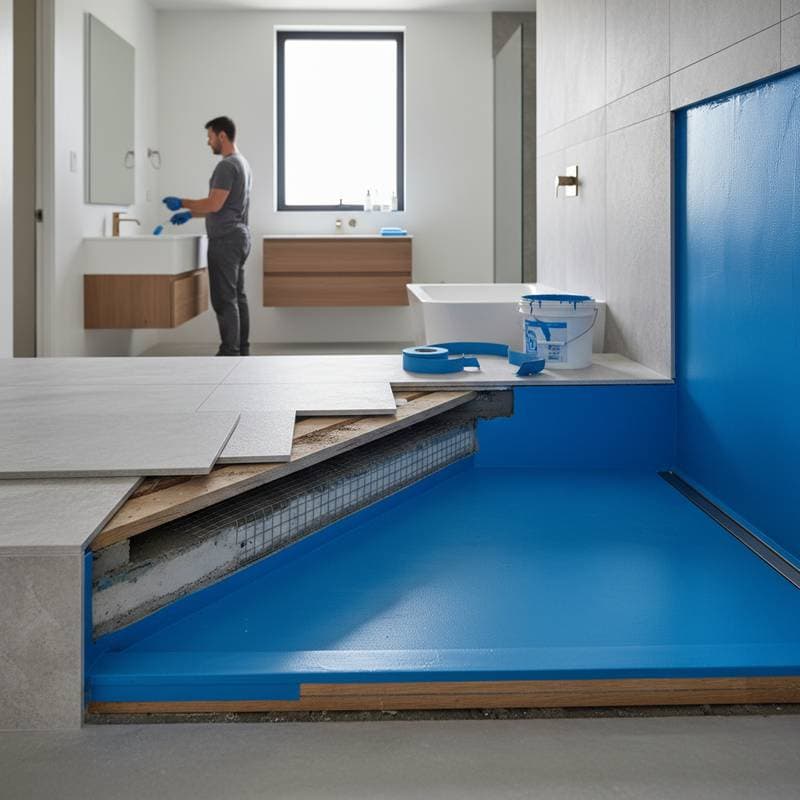
Insufficient Subfloor Waterproofing. Moisture can migrate laterally beneath the floor. Apply membranes and sealants comprehensively to block this path.
-
Inappropriate Tile Surfaces. Glossy finishes offer elegance but pose slip risks. Choose matte or textured options for better traction.
-
Overlooking Ventilation Needs. Proper airflow combats humidity buildup. Install a robust exhaust fan rated for the room size to inhibit mold.
-
Attempting DIY Without Expertise. Waterproofing demands professional knowledge. Engage certified installers to guarantee compliance with building codes.
Steps to Plan Your Curbless Shower Successfully
Begin the process by establishing a budget that accommodates the full scope, including contingencies for surprises like subfloor adjustments. Assess your home's existing layout through a professional inspection to identify modifications needed.
Solicit quotes from at least three reputable contractors. Request detailed breakdowns of waterproofing techniques, such as liquid-applied membranes or sheet systems, along with warranty terms. Compare not only prices but also timelines and references from past projects.
Visualize the final design with sketches or software tools. Ensure selections support daily use, whether for luxury relaxation or accessible living. A well-executed curbless shower delivers enduring benefits, from effortless maintenance to elevated property value.
Focus on quality craftsmanship to realize a space that withstands time. With informed decisions, your investment yields a bathroom that enhances comfort and confidence every day.