Save Big on Wet Room Waterproofing Costs
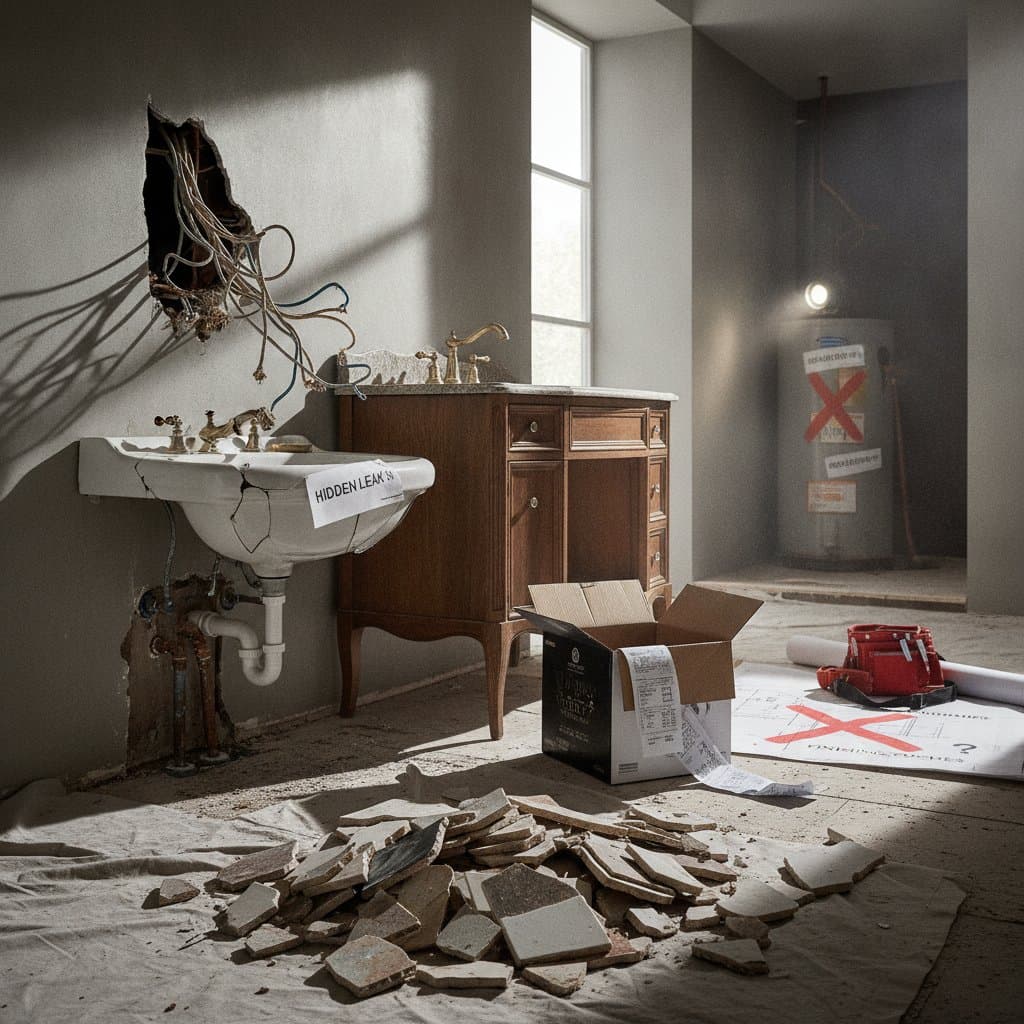
Imagine stepping into your bathroom on a crisp morning, anticipating a serene, spa-like experience. Instead, damp spots appear in the corners, and paint peels near the shower area. The cause often traces back to inadequate waterproofing in a wet room design.
A recent survey of homeowners reveals that fewer than half of bathroom renovations remain within budget. Waterproofing issues rank among the primary factors driving expenses higher. Wet rooms offer a sleek, curbless aesthetic featured in design publications, yet they demand precise attention to membranes, slopes, and grout. These elements safeguard both finances and structural integrity.
This guide outlines practical strategies to achieve a luxurious wet room while preserving your budget. Focus on informed choices in systems, preparation, drainage, and labor to ensure dryness and durability.
Step 1: Select the Appropriate Waterproofing System
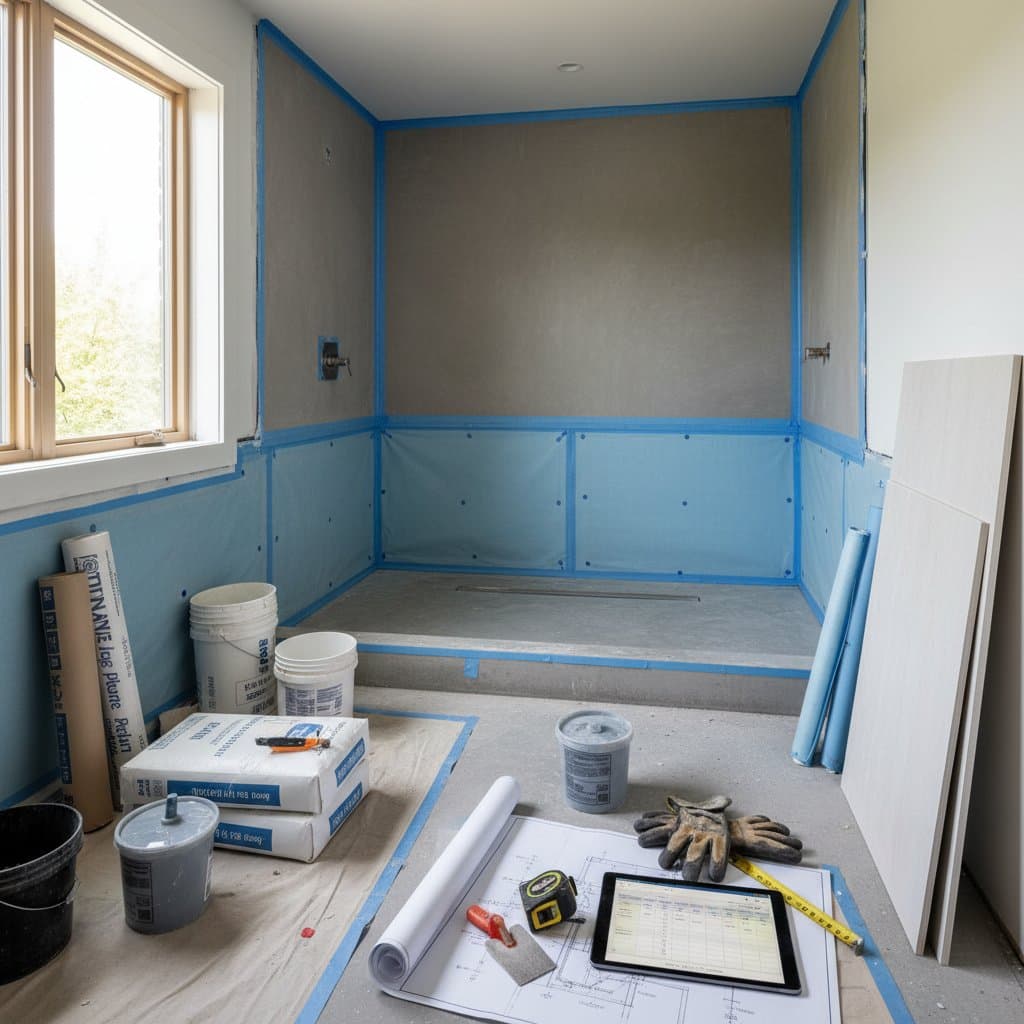
Wet rooms rely on effective barriers to prevent moisture penetration. Two primary options exist: sheet membranes and liquid-applied membranes. Each presents distinct advantages in cost, installation, and suitability.
Sheet Membranes:
- Consist of pre-fabricated rolls or panels that form a uniform barrier against water.
- Installation proceeds quickly for skilled professionals, though material expenses run higher.
- Suit larger areas or situations involving subfloor moisture risks.
Liquid-Applied Membranes:
- Apply via brush or roller to form a flexible, continuous coating.
- Offer lower upfront material costs but demand more time for application.
- Prove effective in compact spaces or for those experienced in detailed surface work.
Tile contractor Sarah Lin of LinPro Interiors notes, “If you’re on a budget but want professional-grade protection, liquid membranes can be a good option, provided the installer takes time with each coat. One missed corner ruins everything.”
For hired installations, request estimates for both systems. Contractors may favor one approach, yet comparisons enable better negotiation on total costs.
Step 2: Prepare the Subfloor Thoroughly
A stable, clean subfloor forms the foundation for successful waterproofing. Inadequate preparation leads to failures that inflate repair bills later.
Start by inspecting for cracks, unevenness, or existing moisture. Repair damages with suitable fillers, and level the surface to ensure even membrane adhesion. Clean thoroughly to remove debris, dust, or residues that could compromise the seal.
Incorporate a vapor barrier if humidity levels pose a concern, particularly in ground-floor locations. Allow sufficient drying time after any priming or leveling compounds cure, typically 24 to 48 hours depending on product specifications.
Proper subfloor readiness minimizes material waste and labor overruns. It also enhances the longevity of the entire wet room assembly.
Step 3: Design the Drainage Layout Strategically
Drain placement influences waterproofing efficiency and project expenses. Central drains necessitate intricate sloping, whereas linear drains positioned along walls streamline water direction and tiling.
Cost-Effective Recommendations:
- Opt for a linear drain adjacent to a wall to simplify slope creation and membrane application.
- Retain existing plumbing routes whenever feasible; relocating pipes through concrete slabs escalates costs significantly.
- Consult with your contractor on drain positioning prior to commencing any surface work.
Effective drainage reduces the likelihood of backups or leaks. Plumber consultant Greg Holton emphasizes, “You can’t waterproof your way out of bad drainage. Water always finds the path of least resistance, even if that path is your kitchen ceiling.”
Step 4: Evaluate Labor Quotes and Pose Key Questions
Labor constitutes the largest portion of waterproofing expenses in most projects. Obtaining multiple quotes proves essential, but prioritize quality assurances over the lowest price.
Inquire about their approach to performance guarantees with these questions:
- How many layers of membrane do you apply, and what is the curing duration for each?
- What warranty terms apply to the waterproofing installation?
- Does supplying materials independently affect any guarantees?
Reputation and references outweigh bargain rates. A reliable mid-range contractor often prevents costly callbacks.
Renovation coach Dana Kirkwood advises, “A good installer costs more upfront but less over time. The cheapest quote often becomes the most expensive lesson.”
Pitfalls in Wet Room Waterproofing to Sidestep
Anticipate errors common among renovators to protect your investment.
- Neglecting to prime surfaces prior to membrane application, which weakens adhesion.
- Overlooking detailed sealing at corners and junctions, prime leak-prone zones.
- Combining incompatible products, such as cement-based with acrylic formulations.
- Failing to secure seals around fixtures including faucets and lighting.
- Hastening the process by shortening drying intervals between layers.
These oversights appear insignificant initially but can compromise the entire setup, leading to water damage and rework.
Implement Your Plan Effectively
A secure wet room enhances enjoyment without excessive expenditure. Direct control over materials, preparation, drainage, and labor yields substantial savings.
Review this checklist before finalizing any agreement:
- Obtained estimates from at least three contractors?
- Verified the recommended waterproofing system and its rationale?
- Allocated adequate time for curing and performance testing?
- Incorporated a contingency reserve for unforeseen issues?
Affirmative responses position you for success, unlike many who encounter problems post-installation.
Superior waterproofing elevates property value and delivers tranquility. It enables indulgence in a modern, open shower design, confident that moisture remains contained.