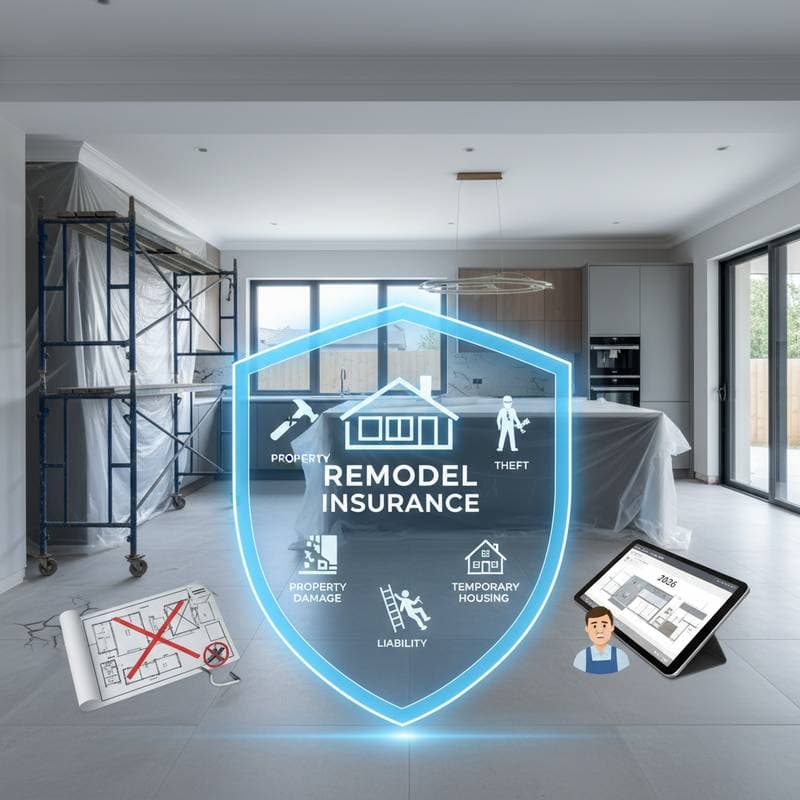
Understanding Remodel Insurance Basics
Remodel insurance, often referred to as builder's risk insurance, provides essential protection during home renovation projects. This coverage addresses risks specific to construction activities, such as damage to building materials or structures under renovation. Homeowners should obtain this policy before work commences to mitigate potential financial losses.
Standard policies include protection against perils like fire, theft, vandalism, and weather-related damage. For instance, if a storm damages stored materials on-site, the insurer reimburses the cost of replacements. Liability coverage also protects against injuries to workers or visitors during the project.
However, coverage limits apply, and premiums depend on project scope, location, and duration. Homeowners must declare the full renovation value to ensure adequate protection. Failure to do so may result in out-of-pocket expenses during claims.
Key Coverages in Remodel Insurance for 2026
In 2026, remodel insurance policies emphasize comprehensive protection tailored to modern renovation trends, such as smart home integrations and sustainable materials. Core coverages include:
- Property Damage: This safeguards the structure and materials against common construction hazards. Examples encompass fire outbreaks from welding or water damage from plumbing installations.
- Theft and Vandalism: Stored tools, fixtures, and materials receive protection if stolen from the site. Insurers typically require secure storage to qualify for claims.
- Liability Protection: Coverage extends to third-party injuries or property damage caused by the renovation. This includes accidents involving subcontractors or neighbors affected by construction noise and debris.
- Temporary Housing: If the remodel renders your home uninhabitable, policies may cover alternative accommodations, such as hotel stays, for a specified period.
These elements ensure that unforeseen events do not halt progress or inflate costs. Policyholders benefit from peace of mind, knowing their investment remains secure throughout the process.
Common Exclusions and Limitations
While remodel insurance offers robust safeguards, certain exclusions persist to manage insurer risk. Understanding these gaps proves crucial for comprehensive planning.
Poor workmanship ranks among the most frequent exclusions. If a contractor installs faulty wiring leading to a fire, the policy does not cover resulting damages. Design errors, such as structural miscalculations, similarly fall outside standard coverage.
Work performed by unlicensed contractors often voids claims related to that portion of the project. Insurers prioritize verified professionals to minimize disputes. Additionally, intentional damage or neglect by the homeowner receives no reimbursement.
Material inflation presents another challenge. Insurance reimburses based on replacement cost at the time of the policy issuance, but if prices rise during the project, policyholders may cover the difference.
"Always review the replacement cost clause," advises Jeffrey Owens, a financial analyst specializing in home renovation economics. "If materials cost more by the time repairs occur, the insurer might pay only the original estimate."
To address these limitations, consider endorsements or riders for extended coverage, such as workmanship guarantees or inflation adjustments.
Regional and Market Factors Influencing Coverage
Coverage terms and costs vary significantly by geographic location, property characteristics, and local market conditions. Homes in coastal areas prone to hurricanes or flooding face elevated premiums due to heightened risk profiles.
High-wind regions require policies with windstorm endorsements, which add to the overall expense but provide necessary protection. Insurers assess seismic risks in earthquake-prone zones, potentially mandating additional riders.
Property type plays a role as well. Older homes demand thorough inspections prior to policy approval. Some carriers insist on structural reports or upgrades to electrical and plumbing systems before extending builder's risk coverage.
Expanding square footage through additions necessitates updates to dwelling coverage limits. Post-renovation, the home's increased value could surpass the policy maximum, leaving new areas underinsured. Consult your insurer early to adjust limits accordingly.
Market factors, including supply chain disruptions, influence 2026 premiums. Rising material costs from global events may prompt insurers to revise rates, so shop around for competitive quotes.
Selecting the Right Policy: Actionable Steps
Choosing appropriate remodel insurance involves deliberate evaluation to align with your project's needs. Begin by assessing the renovation scope, including timeline and budget, to determine required coverage amounts.
- Obtain quotes from multiple insurers, comparing coverage details, deductibles, and exclusions.
- Verify that the policy accommodates your contractors and subcontractors, ensuring all parties meet licensing requirements.
- Include endorsements for specific risks, such as extended theft coverage for high-value materials like custom cabinetry.
- Review policy duration; standard terms cover 12 months, but extensions may apply for longer projects.
- Integrate the policy with existing homeowner's insurance to avoid overlaps or gaps.
Engage an independent agent for personalized advice. This step uncovers tailored options that standard online quotes might overlook.
Maintaining Coverage Post-Renovation
Completion of the remodel marks a transition phase for insurance needs. Update your homeowner's policy to reflect the enhanced property value and new features.
Document all improvements meticulously. Capture photographs of installations, retain receipts for materials, and archive contractor agreements. These records substantiate claims and support accurate valuations during home sales.
Annual policy reviews remain essential. Renovations alter risk assessments; for example, updated HVAC systems or energy-efficient windows may qualify for premium discounts.
Monitor for ongoing liabilities, such as warranties on new installations. Some policies extend coverage briefly post-completion, but transition to standard homeowner's protection promptly.
Securing Your Renovation's Future
Remodel insurance forms the foundation of a secure renovation journey, protecting against disruptions that could compromise your vision. By addressing coverages, exclusions, and regional nuances proactively, homeowners position themselves for successful outcomes.
This preparation not only preserves budgets but also enhances long-term property value. With informed choices, your remodel evolves from a complex endeavor into a rewarding investment in your home's potential.