
The 2026 Wet Room Trend: Installation Costs and Expert Insights
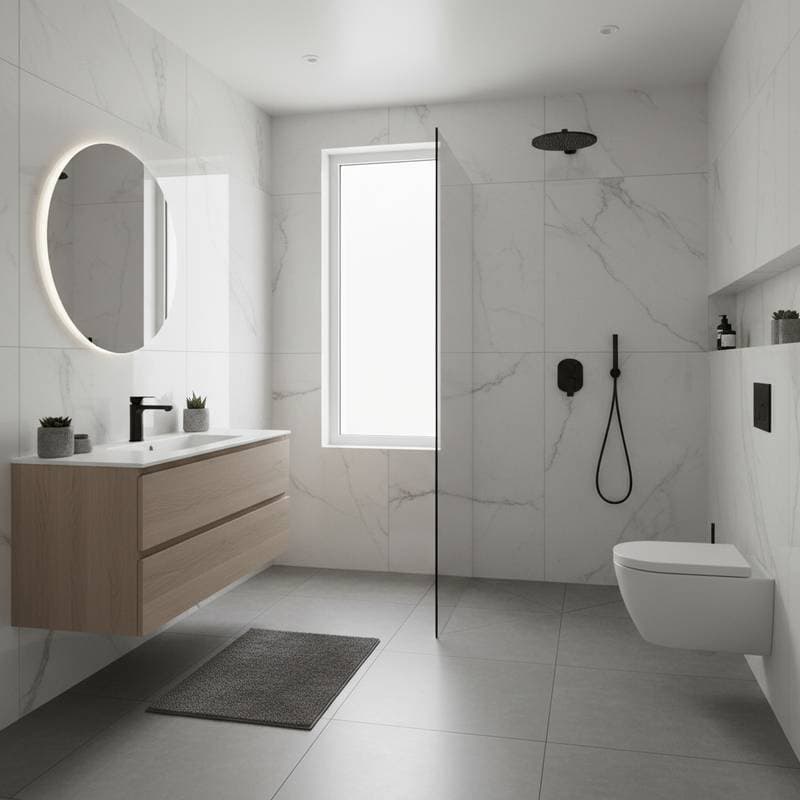
Imagine entering a bathroom where the shower area blends effortlessly with the rest of the space, free from barriers or enclosures. The environment appears expansive, with smooth lines and polished surfaces that convey refined elegance. This describes the contemporary wet room, a rising choice for homeowners seeking both aesthetic appeal and practical functionality. Suitable for small en suites or expansive master suites, a barrier-free design reshapes daily interactions in profound ways.
The Appeal of Wet Rooms as Bathroom Staples
A wet room extends beyond a simple shower without a base. It represents a completely sealed bathroom where the floor subtly inclines toward a central drain to channel water away. This setup delivers an open, streamlined aesthetic that combines luxury with utility. For remodel projects, the benefits stand out clearly: enhanced spatial efficiency, reduced cleaning efforts, and an infusion of tranquil, spa-inspired ambiance into everyday use.
Professionals in design and construction note increasing requests for open, inclusive bathrooms that align with modern tastes. These spaces excel in promoting long-term adaptability, eliminating steps or confined areas that hinder movement. The clean, understated style integrates seamlessly into current interior schemes.
Breaking Down Wet Room Installation Costs
Prior to commencing demolition or surface alterations, evaluate the elements influencing expenses. Key contributors include dimensions, selected materials, sealing methods, and professional labor. Although estimates fluctuate by location and scope, strategic planning maintains affordability while achieving desired outcomes.
-
Sealing and Surface Preparation
Waterproofing constitutes the primary expense in most cases. All areas, from floors and walls to connections, demand thorough protection against moisture intrusion. A tanking membrane forms the core of this system. Professionals handle this phase, as minor errors risk extensive repairs from water infiltration. -
Drainage Infrastructure
A precise floor gradient facilitates water flow, yet requires expert execution. Linear drains gain favor for their unobtrusive profile and straightforward upkeep. Positioned along a wall, they suit varied room sizes effectively. -
Floor and Wall Surfaces
Tile options dominate selections, though choices differ in performance. Porcelain stands out for its resilience and reduced slip potential. Oversized formats promote continuity, whereas smaller mosaics provide traction and visual interest. Microcement emerges as an alternative, offering a uniform, contemporary finish with minimal care needs. -
Enclosures and Hardware
Fully open configurations define ideal wet rooms, but partial glass barriers often contain spray effectively. Frameless panels preserve spaciousness while aiding hygiene. Integrate these with overhead-mounted taps and hidden piping for a tidy, streamlined presentation. -
Professional Labor
Precision defines wet room assembly, necessitating skilled tradespeople. Coordination among sealing, surfacing, and plumbing proves critical. Labor fees depend on project intricacy and regional standards, but superior execution safeguards against future issues.
Typical total costs range from $10,000 to $25,000 for a standard 100-square-foot installation, with waterproofing and labor accounting for 50-60% of the budget.
Essential Design Strategies for Wet Rooms
Balancing utility and sophistication in a wet room demands deliberate decisions. Consider these principles to refine your approach.
-
Strategic Space Planning
Locate the shower zone opposite the entry to minimize water spread into dry sections. In constrained areas, a solitary glass divider offers subtle separation without enclosure. -
Optimizing Gradient and Drainage
Aim for a slope of 1 to 2 centimeters per meter to ensure comfort alongside effective runoff. Entrust this to a specialist in wet room tiling for accuracy. -
Selecting Durable Finishes
Opt for moisture-resistant options like porcelain or ceramic tiles. Natural stone introduces organic texture, while non-slip treatments enhance security for all users. Epoxy-based sealants outperform standard varieties in preventing fungal growth and fading. -
Incorporating Warmth and Ambiance
Counter inherent coolness with heated flooring systems that maintain dryness and comfort. Layer in indirect illumination for a relaxing atmosphere, complemented by fixtures in warm metallics or subdued tones. -
Efficient Storage Solutions
Embed wall recesses and niches to organize essentials without disrupting flow. Favor suspended units over freestanding pieces to preserve floor openness.
Pitfalls to Sidestep in Wet Room Projects
Overlooking key aspects can undermine even the finest concepts. Steer clear of these issues for optimal results.
- Inadequate sealing invites moisture breaches and structural harm; rely on approved methods and certified experts.
- Inadequate inclines result in standing water, heightening slip dangers and upkeep demands.
- Neglected airflow promotes humidity buildup and mildew; install robust exhaust systems.
- Unsuitable surfaces succumb to wear in damp conditions; verify compatibility beforehand.
Maintaining Your Wet Room Over Time
Post-installation, upkeep proves straightforward due to the accessible design. The barrier-free arrangement accelerates thorough cleaning, and robust materials deter residue accumulation. Employ a daily squeegee on glass and gentle cleaners on hard surfaces. Routine checks of drain seals and hardware uphold integrity.
Users often report a shift in bathroom dynamics, with the unified layout fostering tranquility and perceived expansiveness. This evolution streamlines mornings and amplifies enjoyment, particularly in compact settings.
Steps to Launch Your Wet Room Remodel
Embarking on this upgrade yields substantial returns in comfort and value. Outline your goals first, whether prioritizing accessibility or aesthetics.
Allocate funds comprehensively, covering foundational elements like sealing and heating alongside decorative choices. These investments underpin performance and longevity.
A well-executed wet room merges form and purpose uniquely among renovations. Through meticulous preparation and professional oversight, your bathroom evolves into a haven of seamless utility, where each feature contributes to intentional, enduring satisfaction.