Understanding Wet Rooms and Walk-In Showers in Modern Design
Imagine entering a bathroom that serves as a tranquil sanctuary each morning. Light floods the open space, tiles gleam under soft illumination, and the air carries a subtle warmth. Modern bathroom renovations often center on creating such environments, where elegance and utility converge seamlessly. Homeowners frequently decide between two popular configurations: the wet room and the walk-in shower.
These designs both deliver a contemporary, spa-inspired feel, yet they vary in layout, expense, and daily care requirements. Selecting the appropriate one depends on factors such as room dimensions, user accessibility needs, and long-term maintenance preferences. This analysis examines each option in depth to guide your renovation decisions effectively.
Defining the Wet Room: Seamless Openness and Fluidity
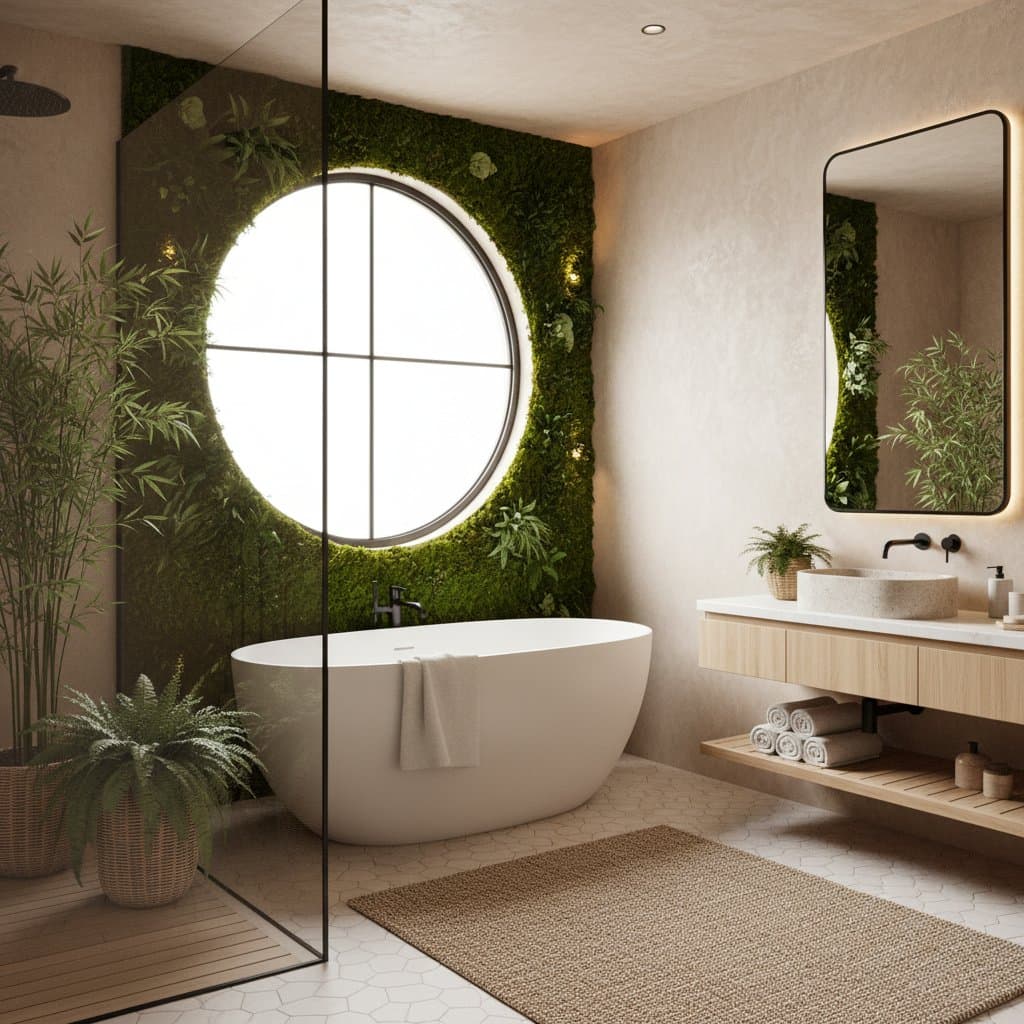
A wet room transforms the entire bathroom into a waterproof zone, eliminating traditional boundaries like shower curtains or doors. Water flows freely across the floor, which slopes gently toward a central drain, creating an expansive and barrier-free area. This approach suits minimalist aesthetics and maximizes perceived space in compact layouts.
Primary Benefits of a Wet Room
-
Unrestricted Spatial Flow
The absence of enclosures fosters an open, airy atmosphere. This design proves ideal for smaller bathrooms, as it avoids visual clutter from panels or frames, enhancing the sense of openness. -
Superior Accessibility Features
With no steps or thresholds, wet rooms accommodate individuals with mobility challenges effortlessly. The level flooring supports aging in place, making it a forward-thinking choice for universal design principles. -
Aesthetic Versatility
Customization options abound, from large-format porcelain slabs mimicking marble to integrated linear drains that blend invisibly with tiles. This setup allows for dramatic elements like floor-to-ceiling tiling or ambient lighting that highlights water features. -
Efficient Cleaning in Shared Spaces
In multi-user households, the uniform waterproofing simplifies wiping down surfaces. Steam and splashes affect the whole room equally, reducing the need for targeted scrubbing in enclosed areas.
Essential Factors to Consider
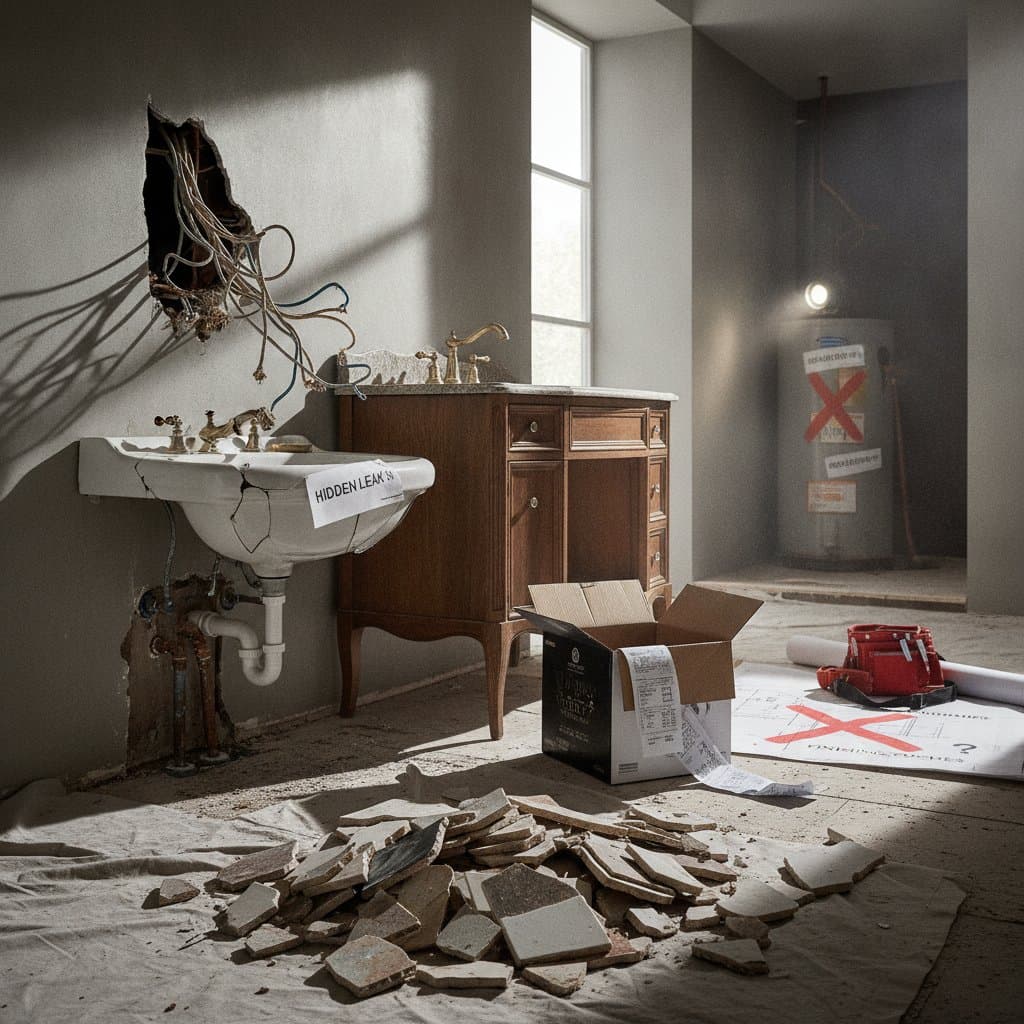
Installation demands comprehensive waterproofing, often involving membrane applications across walls, floors, and ceilings to prevent leaks. This process requires professional expertise to ensure structural integrity, particularly in older homes with wooden subfloors.
Costs typically range higher due to these preparations, and improper sealing can lead to mold growth or water damage. For optimal performance, select slip-resistant tiles with a textured surface and incorporate adequate ventilation systems to manage humidity levels.
Exploring the Walk-In Shower: Contained Elegance and Precision
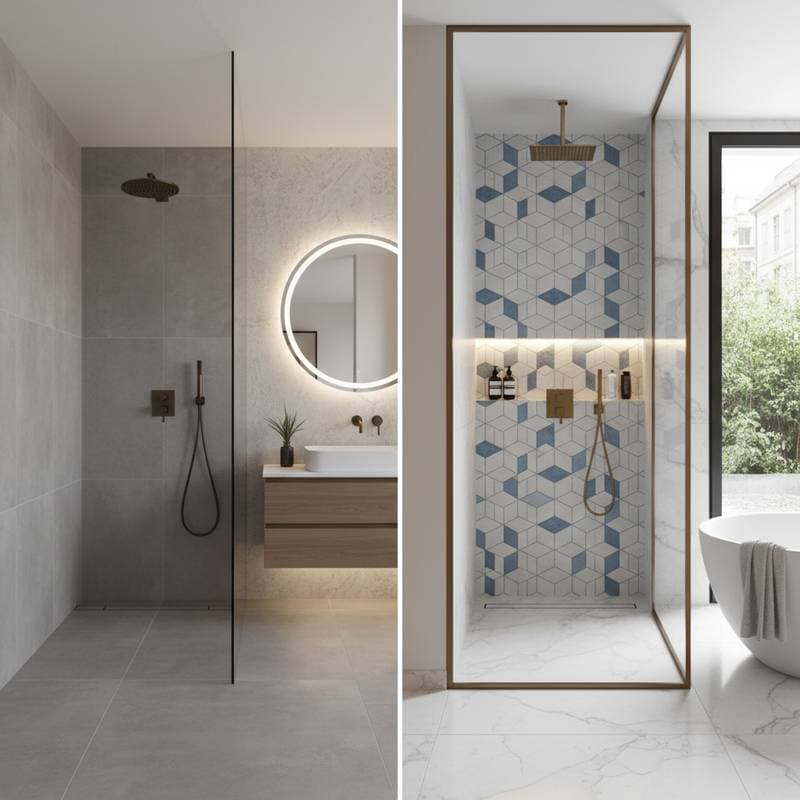
The walk-in shower provides a structured alternative, featuring a dedicated area with a shallow base and enclosing glass panels. This setup maintains separation between the shower zone and the broader bathroom, offering controlled water management within a modern framework.
Core Strengths of a Walk-In Shower
-
Effective Water Management
Enclosures direct water flow precisely, minimizing splatter onto adjacent floors. This containment preserves dry areas for storage or vanities, supporting a more segmented room layout. -
Simplified Retrofit Potential
Retrofitting an existing bathroom proves less disruptive, as modifications focus on the shower compartment rather than the entire space. Standard bases and prefabricated kits accelerate the process while adhering to building codes. -
Customizable Styling Options
Frameless glass, textured screens, or metallic frames allow personalization to complement various decor themes. Integrate features like thermostatic valves for consistent temperature or built-in benches for extended use. -
Thermal Efficiency Advantages
The partial enclosure traps warmth during showers, benefiting colder environments. This design also facilitates quicker drying times for surfaces, contributing to overall room comfort.
Key Aspects for Evaluation
Floor preparation remains crucial, with precise sloping to the drain to avoid pooling. Glass maintenance involves regular squeegeeing to prevent water spots, and seals around panels need periodic inspection for wear.
For enhanced safety, choose low-profile curbs or zero-threshold entries. In larger bathrooms, this option permits zoning, where the shower integrates harmoniously without dominating the floor plan.
Comparing Costs, Maintenance, and Practicality
Budget considerations play a pivotal role in the decision. Wet rooms often incur initial expenses of $10,000 to $25,000, driven by extensive waterproofing and custom tiling. Walk-in showers range from $5,000 to $15,000, benefiting from modular components that lower labor costs.
Long-term upkeep differs as well. Wet rooms demand vigilant sealing checks and dehumidification to combat moisture, with annual costs around $200 for cleaners and filters. Walk-in showers require focused cleaning of glass and tracks, but their design limits widespread humidity issues, potentially saving on energy for drying.
Accessibility favors wet rooms for seamless entry, though walk-in options with minimal barriers close the gap. In terms of durability, both thrive with quality materials; however, wet rooms expose more surfaces to water, necessitating robust, sealed finishes like epoxy grout.
Space utilization varies by room size. Compact areas benefit from wet rooms' illusion of expanse, while generous layouts accommodate walk-in showers' defined zones without feeling confined.
Integrating Design Elements Thoughtfully
Begin the planning process by assessing your bathroom's dimensions and usage patterns. Measure the available footprint to determine if an open wet room enhances flow or if a walk-in shower provides necessary division.
Select materials that align with functionality and style. Opt for large porcelain tiles in wet rooms for seamless waterproofing, or combine glass mosaics with matte finishes in walk-in setups for subtle texture. Ensure all choices prioritize non-slip properties, verified through coefficient of friction ratings.
Incorporate lighting strategically to elevate the ambiance. Dimmable LED fixtures above the shower mimic natural daylight, while vanity mirrors with integrated LEDs reduce glare. Ventilation systems, such as quiet exhaust fans rated at 50 CFM or higher, maintain air quality post-use.
Storage solutions keep the space organized. Recessed wall niches in walk-in showers hold soaps without protruding, and wall-hung cabinets in wet rooms utilize vertical space above splash zones.
Ensuring Longevity Through Proper Care
After installation, consistent maintenance sustains the design's appeal. Wipe surfaces daily with microfiber cloths and pH-neutral cleaners to avoid residue buildup. In wet rooms, inspect drains monthly for clogs from hair or soap, using enzyme-based treatments for prevention.
For walk-in showers, apply a silicone sealant annually to joints and hinges. Both designs benefit from natural ventilation; position windows or vents to promote airflow, targeting 50 percent relative humidity or lower.
Professional inspections every two years verify waterproofing integrity, especially in high-use scenarios. These habits extend the lifespan of fixtures and finishes, preserving the investment.
Finalizing Your Renovation Vision
A well-executed bathroom update hinges on aligning design with personal needs and professional input. Consult contractors experienced in both wet rooms and walk-in showers to review blueprints and material samples.
Ultimately, the choice reflects your priorities: embrace the wet room for boundless luxury and accessibility, or select the walk-in shower for structured convenience and efficiency. Either path yields a refined space that enriches daily rituals with comfort and sophistication.