
2025 Waterproofing Strategies for Wet Room Success
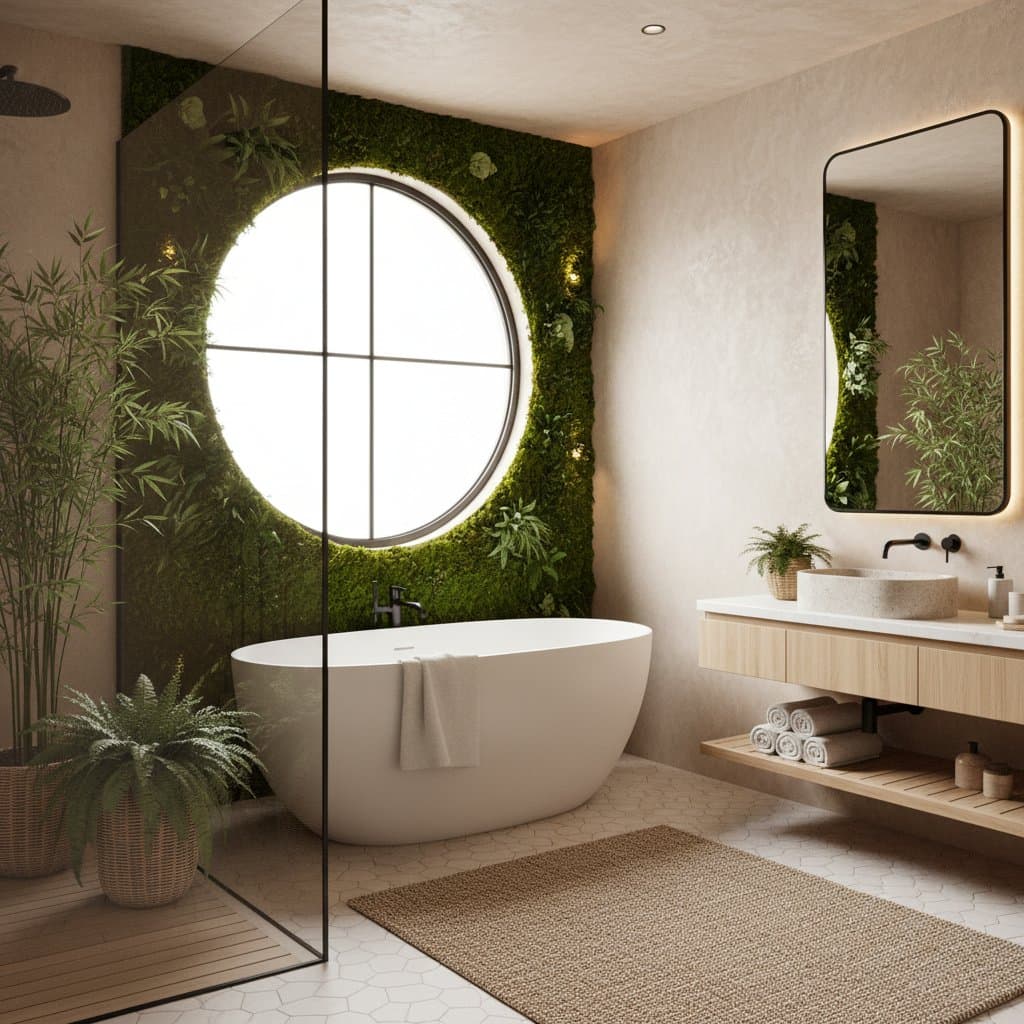
Imagine entering a bathroom that evokes a private spa. The air carries gentle humidity, the floor provides warmth underfoot, and every surface shines free of water damage. This vision represents a well-executed wet room design. Proper execution delivers indulgence and practicality. Poor execution invites moisture issues, such as peeling paint, musty smells, and lifting tiles. Effective waterproofing distinguishes a durable wet room from one prone to early failure.
Wet room design or renovation extends beyond selecting stylish tiles or fixtures. It requires comprehensive planning from the base upward to seal every area against water intrusion. Advances in waterproofing technology provide superior materials and simplified installation processes. A strategic approach ensures the space remains pristine for years while preserving aesthetic appeal.
1. Establish a Solid Foundation
A successful wet room originates below the visible surfaces. The subfloor and wall framework determine waterproofing effectiveness. View this base as the essential groundwork for the overall design.
Begin by confirming the floor slopes correctly toward the drain. A slight incline prevents water pooling and subsequent leaks. Aim for a two percent gradient in shower areas. Install a pre-formed sloping tray or form the slope using a durable screed mixture.
Incorporate moisture-resistant backer boards for walls and floors. Standard drywall fails under persistent humidity. Opt for cement-based boards or foam-core panels with integrated waterproof coatings. These materials create a robust, impermeable barrier that blocks moisture from concealed areas where mold might develop.
2. Select Advanced Waterproofing Systems
Waterproofing solutions have evolved beyond basic sealants and liners. Contemporary systems offer flexibility, durability, and straightforward application. They form adaptive barriers that accommodate thermal expansion and subtle structural shifts, minimizing crack formation.
Liquid-applied membranes provide versatility for brush or roller application, sealing minute fissures. After curing, they yield a uniform surface ideal for tiling. Sheet membranes deliver uniform coverage and suit expansive surfaces. Many feature self-adhesive properties or bond via thin-set mortar.
Address corners, joints, and material transitions with specialized waterproof tape or banding. These elements fortify prone entry points for water. Ensure secure overlaps and connections between layers. The objective remains a cohesive, uninterrupted protective sheath.
3. Focus on Precise Drain Integration
The drain serves as the wet room's core but poses potential vulnerability. Minor gaps between the drain flange and waterproofing can lead to concealed leaks. Current drain designs incorporate bonding flanges that fuse seamlessly with membranes, eliminating infiltration risks.
Linear drains gain favor for their streamlined profile and performance. They facilitate unidirectional sloping, easing tile layout. Select units with removable grates for straightforward maintenance. Materials like stainless steel or anodized aluminum resist corrosion in humid conditions, preserving visual harmony.
When installing tiles adjacent to the drain, achieve exact cuts to eliminate irregular spaces. Employ waterproof grout or epoxy variants, which withstand staining and fracturing superior to conventional options.
4. Extend Protection Across All Surfaces
A common error limits waterproofing to the shower zone alone. Steam and spray extend beyond this area. Apply the membrane over the full floor and up walls to shoulder height at minimum to safeguard the entire space.
Scrutinize junctions like wall-to-floor interfaces or connections at benches and niches. These areas experience minor shifts from settling or humidity fluctuations. Flexible sealants prove vital here. Silicone or polymer-based options retain pliability and resist fungal growth.
Handle fixtures such as taps and shower arms with care. Install sealant rings or gaskets behind mounting hardware. These precautions avert gradual leaks that might result in significant damage over time.
5. Choose Durable Finishing Materials
Finishes influence both appearance and longevity in a wet room. Porcelain and ceramic tiles excel due to their density, low porosity, and cleaning ease. Large-format tiles reduce grout joints for a contemporary, cohesive look.
Natural stone imparts texture and elegance but demands vigilant sealing. Apply penetrating sealers to tiles and grout to block water uptake. Refresh the sealant at intervals specified by the product guidelines.
Epoxy grouts surpass cement types in moist settings. They resist cracking and fading effectively. For a classic aesthetic, select premium cement grout enhanced with polymers for added resilience.
6. Incorporate Heating for Enhanced Performance
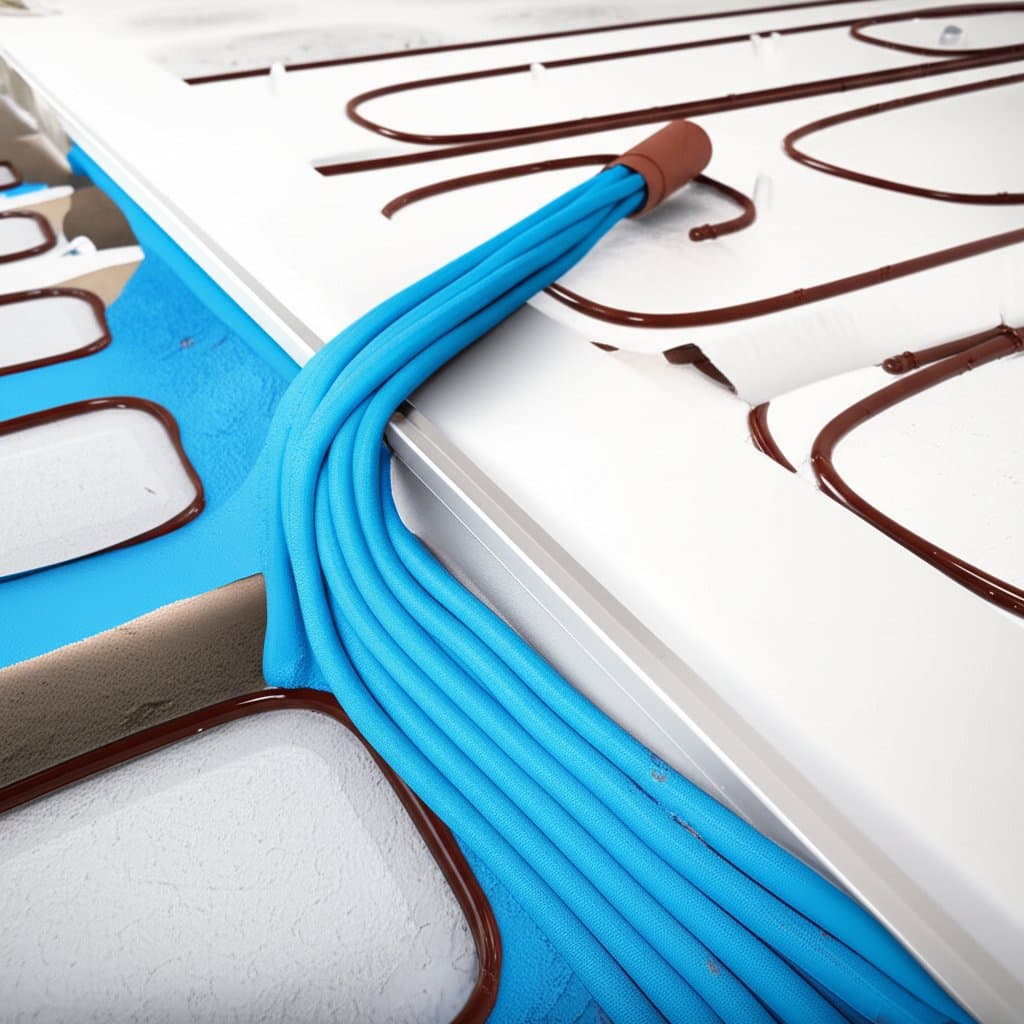
Underfloor heating elevates comfort and aids moisture control. It accelerates evaporation, promoting dry, non-slip surfaces. Electric mats install simply beneath tiles, whereas hydronic systems link to existing plumbing for efficient operation.
Position heating components over the waterproof membrane but under the tile layer. This arrangement distributes heat evenly without breaching the barrier. Advanced thermostats with humidity detection adjust output automatically to optimize conditions and curb condensation.
Heated floors simplify upkeep. Dryness inhibits mold formation, lowering long-term care needs. This feature combines luxury with practical benefits.
7. Implement Effective Ventilation
Superior waterproofing alone cannot manage unrelenting humidity. Airborne moisture condenses on fixtures and surfaces, infiltrating seams if unchecked. Ventilation remains essential to sustain a balanced environment.
Choose an extractor fan suited for damp zones, prioritizing quiet operation and adequate airflow for the room's dimensions. Place it opposite the shower to capture vapor across the space. Integrate timers or humidity triggers to extend runtime post-use.
Supplement with windows featuring ventilation slots or operable roof lights. Natural airflow refreshes the area and lessens mechanical dependence. Seal window frames with waterproof compounds to eliminate vulnerabilities.
8. Balance Design and Practicality
An exemplary wet room harmonizes form and utility. Invisible waterproofing supports bold aesthetic choices. With foundational elements secured, prioritize elements that reflect personal taste.
Curbless entries promote seamless transitions from the main floor to the shower. This configuration improves accessibility and expands perceived space. Frameless glass enclosures manage spray while fostering openness.
Illuminate thoughtfully with wet-rated recessed LEDs for consistent brightness. Blend focused mirror lighting with ambient sources to foster serenity. The interplay of water, illumination, and materials elevates routine use to rejuvenation.
9. Maintain for Sustained Performance
Routine care preserves even the finest waterproofing. Examine grout for fissures or fading at regular intervals. Reapply sealant to joints as required. Monitor fixtures for seepage indicators.
Clear drains periodically to avoid clogs that impede drainage. For stone elements, reseal according to manufacturer schedules. Brief inspections every few months prevent major interventions.
Sustaining Your Wet Room
A completed wet room integrates seamlessly into daily routines. Quick-drying floors, pristine surfaces, and an airy feel highlight the value of meticulous waterproofing. Thoughtful design yields enduring satisfaction.
Personalize over time with humidity-tolerant plants, plush linens, or tactile accents like wooden elements. These additions infuse warmth and character. Future updates benefit from the reliable base established early.
Precise waterproofing underpins lasting beauty and security. It transforms the space into a haven of comfort and elegance, rewarding foresight with reliability.