
Revolutionize Your Bathroom: 2026 Wet Room Costs and Professional Tips
The National Kitchen and Bath Association's latest homeowner survey reveals that 41 percent of bathroom remodels incorporate partial or full wet room conversions. That same research indicates only 34 percent of projects remain within initial budgets. These statistics underscore an emerging preference for wet rooms alongside persistent financial hurdles. Such designs offer style, accessibility, and property value enhancement, yet they necessitate meticulous planning to sidestep excessive expenses. Grasping the elements that influence costs and strategies to control them separates successful transformations from costly errors.
Understanding Wet Rooms and Their Primary Cost Influences
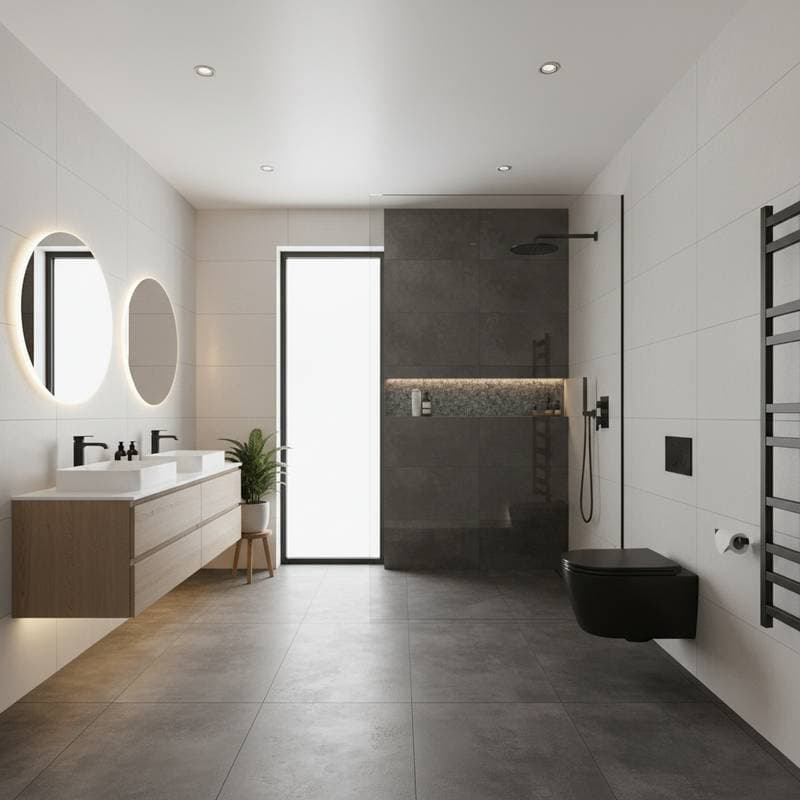
A wet room features complete waterproofing throughout the bathroom, allowing the shower zone to integrate fluidly with the surrounding area. This setup dispenses with conventional shower trays for an expansive, barrier-free aesthetic that conveys modernity and spaciousness. Data from the Home Remodeling Index shows full wet room remodels typically range from $18,000 to $31,000, influenced by room dimensions, material choices, and local labor expenses. Waterproofing components alone represent 15 to 25 percent of the overall expenditure.
Key factors driving these costs encompass:
- Waterproofing materials and protective membranes
- Advanced drainage setups and subfloor modifications
- Tile varieties, installation labor, and design intricacy
- Bespoke glass enclosures or partitions
- Plumbing adjustments or enhancements
- Upgraded ventilation solutions
The Economic Aspects of Wet Room Transformations
Wet rooms demand greater initial outlays compared to conventional bathrooms because of their specialized waterproofing and drainage requirements. Brandon Lewis, senior project manager at Precision Build Contractors, notes, "A wet room remodel extends beyond tiles and fixtures. Each level, from subfloor to ceiling, demands moisture resistance, which elevates expenses but averts future deterioration." With experience overseeing more than 200 such installations, Lewis counsels allocating an additional 10 to 15 percent as a buffer for unforeseen structural issues.
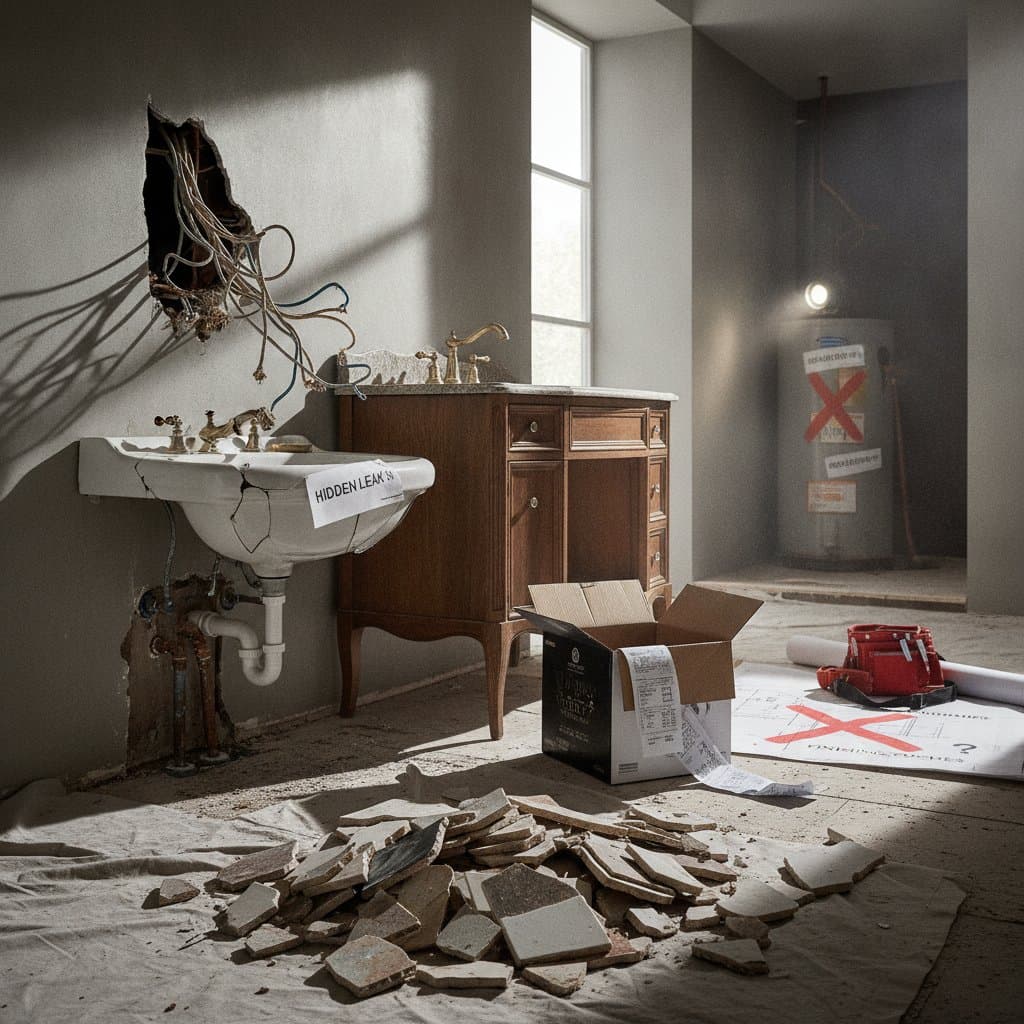
Homeowners frequently overlook concealed expenses in these projects. Tasks like regrading the floor, redirecting drains, or bolstering floor supports can inflate totals by $2,000 to $5,000. Waterproofing membranes cost between $8 and $14 per square foot, and expert application guarantees adherence to warranty terms.
Strategies for Budgeting and Cost Optimization
Effective budget management in wet room projects hinges on value engineering, a method to trim expenses while upholding standards of quality and functionality. Begin with a comprehensive initial estimate that details:
- Breakdown of labor and materials
- Designated contingency allowance
- Fees for permits and inspections
- Specialized elements like linear drains or tailored glass
Dana Perez, financial consultant and remodeling analyst at HomeBuild Insights, emphasizes, "Superior projects start with thorough financial projections. Those who solicit three contractor proposals and perform a scope evaluation with a project manager achieve average savings of 12 percent." Perez advocates a structured budget approach that prioritizes essentials such as robust waterproofing and efficient drainage over opulent surface treatments.
Detailed Guide to Planning Your Wet Room Remodel
Step 1: Perform a Feasibility Evaluation
Prior to any design work, assess whether your current bathroom infrastructure accommodates a flush-entry shower. Examine subfloor gradient, plumbing adequacy, and airflow systems. Engage a structural engineer or certified contractor for a formal report, priced at $250 to $400.
Step 2: Establish a Practical Budget Spectrum
Target a foundational range of $18,000 to $31,000 using standard materials. Incorporate 20 percent more for upscale options like marble surfaces or bespoke storage. Factor in a 10 percent reserve for unanticipated fixes.
Step 3: Select an Appropriate Waterproofing Solution
Opt for a comprehensive room-wide membrane backed by manufacturer guarantees. Liquid applications suit uneven surfaces with flexibility, whereas sheet variants ensure uniform protection. Installation averages $1,200 to $2,800, scaled to room area.
Step 4: Assess Drainage Choices
Linear drains provide a streamlined appearance yet command $400 to $900 above central alternatives. Base decisions on tile patterns and gradient orientation. Inadequate drainage risks compromising the project's viability.
Step 5: Oversee the Schedule Diligently
Expect the remodel to last three to six weeks, varying with project scope. Interruptions often arise in waterproofing and approval phases. Foster ongoing dialogue with your contractor and insist on weekly updates.
Comparing Costs: Wet Room Versus Traditional Bathroom Updates
Remodeling Market Data reports mid-tier standard bathroom renovations at $13,000 to $21,000, with wet rooms commanding 25 to 40 percent higher figures. This premium aligns with extended durability, reduced upkeep, and elevated market appeal. Mark Jensen, real estate consultant at Urban Property Advisors, observes, "In premium locales, a superior wet room elevates home worth by 3 to 5 percent, particularly for properties targeting accessibility or high-end purchasers."
Sustained returns rely on material resilience and waterproofing excellence. Skimping on aspects like membrane durability or drainage efficacy invites water intrusion, eroding financial gains and comfort.
Frequent Challenges and Prevention Measures
- Inadequate Waterproofing Application
Small lapses in execution invite seepage. Employ installers certified in waterproofing who adhere strictly to guidelines. - Overlooking Drainage Demands
Precise gradient adjustments prevent water accumulation. Verify compliance with regional codes prior to tiling. - Neglecting Ventilation Enhancements
Excess humidity fosters mold and structural harm. Equip with a fan that activates on humidity levels for reliable performance. - Bypassing Expert Supervision
Select a general contractor versed in wet rooms to orchestrate trade sequences. This minimizes redundancies and scope expansion.
Lisa Tran, waterproofing expert at AquaProof Systems, states, "Roughly 60 percent of wet room issues trace to subpar surface preparation. Insist on a flood test pre-tiling; it serves as the prime gauge of enduring reliability."
Selecting Competent Experts
Assembling a skilled crew proves vital for fiscal discipline and superior results. Seek:
- Licensed general contractors boasting documented wet room portfolios
- Tile specialists certified under ANSI and TCNA protocols
- Waterproofing pros offering system assurances
Obtain a minimum of three detailed bids outlining scopes and inclusions. Steer clear of ambiguous quotes lacking specifics on waterproofing or drainage. Confirm coverage through insurance, bonds, and client testimonials.
For enhanced fiscal monitoring, implement a milestone-based payment plan. Disburse funds upon achievements like waterproofing finalization, tiling completion, and conclusive reviews. This method safeguards investments and promotes responsibility.
Geographic Cost Differences and Emerging Material Preferences
Expenses for labor and supplies differ markedly across areas. Urban and coastal zones encounter elevated pricing from heightened demand and regulatory demands. Tiles span $3 to $25 per square foot based on type and sourcing. Porcelain and oversized formats dominate for their traction and reduced seams. Natural stones deliver elegance but necessitate rigorous sealing and care, incurring extra lifetime costs.
Sustainable waterproofing options and linear drains appeal to environmentally conscious owners. These selections involve modest initial premiums yet yield superior longevity.
Safeguarding Your Wet Room Investment
Post-installation, routine care sustains the waterproofing's effectiveness. Renew grout seals yearly, check seams for fissures, and clear drains regularly. Employ gentle cleaners to protect coatings. Arrange expert checkups biennially to validate membrane condition.
Diligent maintenance extends a wet room's service life across decades with minimal interventions. Focus on preventive actions and clarify warranty details with your contractor for optimal outcomes.