
Understanding Wet Room Costs in 2025
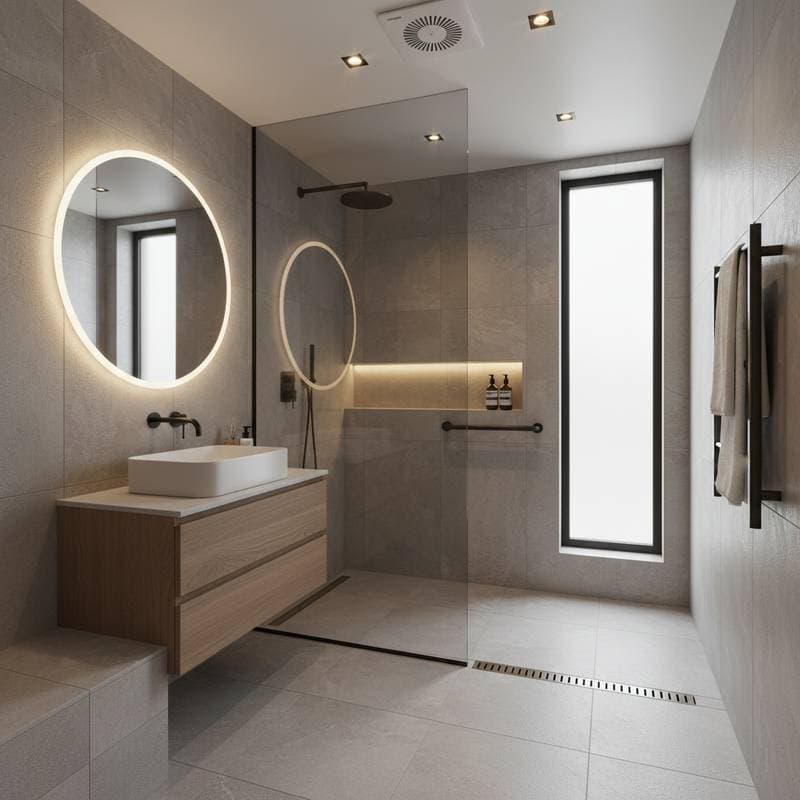
Wet rooms represent a modern approach to bathroom design, blending open layouts with seamless integration of shower areas. These spaces promise convenience and a spa-inspired aesthetic, yet they demand careful planning to avoid hidden expenses. The total cost typically ranges from $15,000 to $40,000, depending on size, location, and features, with function serving as the foundation for both affordability and longevity.
Homeowners benefit from focusing on core elements like waterproofing and drainage before selecting finishes. This strategy ensures structural integrity while allowing budget allocation toward aesthetic touches. Years of design experience reveal that prioritizing these basics prevents costly rework and enhances daily usability.
Establish a Realistic Budget Framework
Begin by assessing the scope of your project. Factor in room size, existing infrastructure, and desired features such as underfloor heating or accessibility aids. Average costs break down as follows: materials account for 40 percent, labor for 50 percent, and contingencies for 10 percent.
Consult local contractors early to gauge regional pricing variations. For a standard 100-square-foot wet room, expect $150 to $300 per square foot installed. Allocate funds strategically to cover essentials first, reserving surplus for custom elements that add value without excess.
Document your budget in a simple spreadsheet, tracking line items like demolition, plumbing relocation, and finishing. This approach provides clarity and helps identify savings opportunities, such as reusing existing fixtures where possible.
Prioritize Waterproofing for Long-Term Protection
Waterproofing forms the backbone of any wet room, preventing moisture infiltration that leads to mold and structural issues. Subpar systems result in repairs costing thousands, often exceeding initial installation expenses.
Opt for a comprehensive tanking method that encases the floor and walls up to splash height. Combine cementitious boards with liquid-applied membranes for robust coverage. Professionals recommend applying multiple layers, ensuring each cures fully before the next.
Seal joints meticulously using reinforcing tape and sealant. This investment, which may add $2,000 to $5,000 upfront, safeguards against water damage and extends the room's lifespan by decades.
Design Effective Drainage and Floor Gradients
Proper drainage ensures water flows away efficiently, avoiding puddles and slips. Inadequate slopes or undersized drains cause backups and hygiene concerns.
Install a linear or point drain positioned at the lowest floor point, with a gradient of 1:40 to 1:60 toward it. Use self-leveling compounds to create a subtle incline without visual disruption.
Select drains with removable grates for easy cleaning and integrate them seamlessly with flooring. These measures, costing $1,500 to $3,000, enhance safety and maintain a dry, inviting space.
Select Tiles for Safety and Durability
Tile choices influence both appearance and performance in wet environments. Glossy surfaces may dazzle but pose slip risks and demand frequent maintenance.
Choose porcelain tiles with a textured finish and an R11 or higher slip resistance rating for floors. Employ larger formats on walls to minimize grout lines, and opt for mosaics in shower zones for better adhesion to slopes.
Apply epoxy-based grout in high-moisture areas to resist stains and cracking. This selection process, budgeted at $3,000 to $7,000, balances aesthetics with practical needs, reducing injury risks and upkeep time.
Integrate Plumbing and Fixtures Thoughtfully
Plumbing layout affects water pressure, efficiency, and cost. Relocating pipes or adding thermostatic valves increases complexity and expense.
Position fixtures like rain showers and handheld sprayers to minimize spray beyond the wet zone. Incorporate low-level cisterns for toilets to preserve the seamless floor design.
Hire plumbers certified in wet room systems to ensure compliance with building codes. These elements, ranging from $4,000 to $8,000, support reliable operation and energy savings through efficient water use.
Ensure Optimal Ventilation and Humidity Management
Persistent humidity fosters mold growth, even in well-sealed rooms. Inadequate airflow exacerbates odors and deteriorates finishes over time.
Install a mechanical extractor fan with a minimum 15 liters per second capacity, vented outdoors. Equip it with a humidity-activated sensor or timer for automatic operation post-shower.
Maintain unobstructed ducting to facilitate air exchange. At $500 to $1,500, this system promotes a fresh environment, protecting health and preserving material integrity.
Account for Labor and Professional Expertise
Wet room projects require specialized skills to achieve watertight seals and precise alignments. Amateur attempts often lead to leaks and code violations.
Budget 50 percent of costs for labor, varying by region from $50 to $150 per hour. Seek contractors with portfolios in similar installations, requesting itemized quotes.
Professional oversight includes site preparation, system testing, and final inspections. This expertise, essential for quality, minimizes future repairs and ensures warranty coverage.
Incorporate Storage and Lighting for Functionality
Overlooking storage leads to clutter, while poor lighting creates shadows and safety hazards. These features elevate usability without dominating the design.
Build recessed niches in walls for shampoos and soaps, lined with waterproof materials. Install dimmable LED strips or recessed spots for layered illumination.
In one project, custom shelves integrated into tiled walls maintained openness while providing ample space. Allocating $1,000 to $3,000 here enhances convenience and perceived luxury.
Realize Lasting Value Through Smart Choices
A function-first wet room delivers safety, ease, and appreciation over time. By addressing waterproofing, drainage, and ventilation upfront, homeowners avoid pitfalls and enjoy a resilient space.
These investments boost home resale value by up to 10 percent, according to design trends. Regular maintenance, such as annual seal checks, sustains performance and beauty for years.